
Modern vehicles are marvels of engineering, relying on a complex network of computers and electronics to keep you moving safely. At the heart of this system lies a web of sensors that act much like the human nervous system. They constantly monitor everything from engine temperature to wheel speed, sending vital data to your car’s main computer.
When one of these sensors fails, the communication breaks down. The result can range from a minor annoyance, like a slightly lower gas mileage, to a major safety issue, such as your engine stalling in traffic. Understanding the warning signs is the first step toward maintaining your vehicle’s health and avoiding costly repairs down the road.
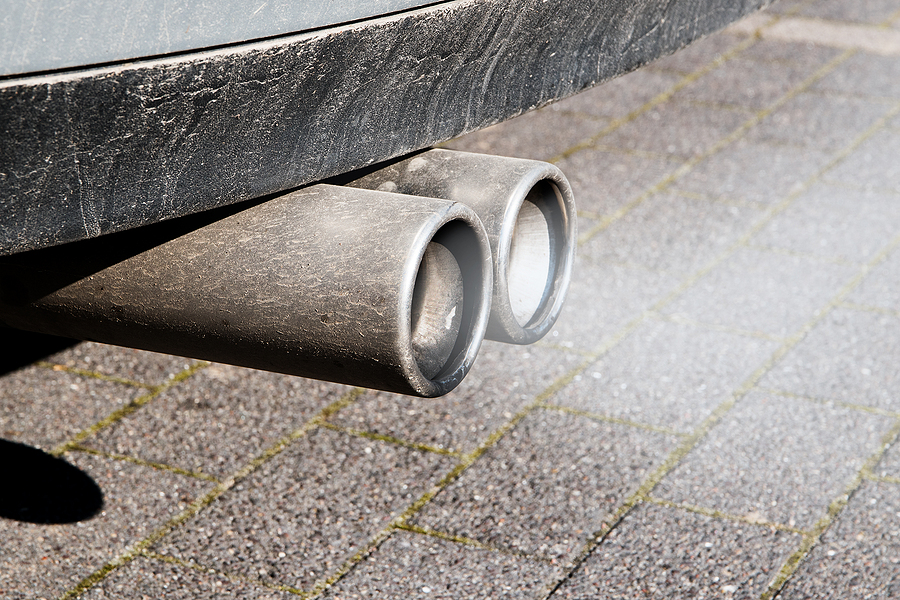
Common Signs of Faulty Car Sensors
Because sensors control so many different aspects of your vehicle’s performance, a malfunction can manifest in various ways. Here are the most common symptoms that indicate a sensor might be struggling.
Check Engine Light
The most obvious indicator is the illumination of the Check Engine Light (CEL) on your dashboard. While this light can trigger for hundreds of reasons—ranging from a loose gas cap to a failing catalytic converter—it is frequently the first cry for help from a malfunctioning sensor. Ignoring this light often leads to more severe engine damage over time.
Poor Fuel Economy
If you find yourself visiting the gas station more often than usual, a sensor could be to blame. Your car’s computer relies on data to balance the mixture of air and fuel entering the engine. If a sensor provides false data, the computer may default to a “rich” mixture, meaning it burns more fuel than necessary to keep the engine running safely.
Rough Idling
When you come to a stop, your engine should purr smoothly. If it feels like the car is shaking, vibrating, or the RPM needle is bouncing up and down erratically, this is known as rough idling. It suggests the engine is struggling to maintain the correct timing or fuel mixture, often due to bad data from the airflow or oxygen sensors.
Stalling
Few things are more frightening than your engine cutting out while driving or refusing to start altogether. This is a severe symptom often linked to sensors that monitor engine timing. If the computer loses track of the engine’s internal position, it cuts spark and fuel to prevent damage, causing the car to stall.
Failed Emissions Test
Many drivers only discover a sensor issue when they fail a state inspection. Faulty sensors can cause your exhaust system to release higher levels of pollutants like carbon monoxide or nitrogen oxides. Even if the car seems to drive fine, high emissions are a clear sign that combustion isn’t happening efficiently.
Types of Car Sensors and Their Functions
To diagnose the problem, it helps to know which player on the team isn’t doing their job. Here are five of the most critical sensors found in your vehicle.
Oxygen Sensor (O2)
Located in the exhaust system, the O2 sensor measures the amount of unburned oxygen in the exhaust gases. This data tells the computer if the fuel mixture is too lean (too much air) or too rich (too much fuel). A failing O2 sensor can significantly lower gas mileage and eventually damage your catalytic converter.
Mass Airflow (MAF) Sensor
The MAF sensor sits near the air filter and measures the volume of air entering the engine. This is crucial for determining how much fuel to inject. A dirty or failing MAF sensor is a primary culprit for hesitation during acceleration and rough idling.
Crankshaft Position Sensor
This component monitors the rotational speed and position of the crankshaft. The engine computer uses this information to control ignition system timing and other engine parameters. If this sensor fails, you will likely experience hard starting, stalling, or a complete inability to start the car.
ABS Wheel Speed Sensor
Safety systems like Anti-lock Braking Systems (ABS) and traction control rely on these sensors located at each wheel. They monitor how fast the wheels are spinning. If one sensor reports a different speed than the others, the system might falsely activate the brakes or disable traction control entirely, triggering the ABS warning light.
Temperature Sensors
Your car has sensors for both the engine coolant and the intake air temperature. If the coolant temperature sensor fails, the car may think the engine is colder than it actually is. This can lead to the engine running rich, emitting black smoke, or even overheating because the cooling fans fail to activate.
Too Expensive to Repair Your Car? Sell It Here for Instant Cash! 💰
How Faulty Car Sensors are Diagnosed
Pinpointing the exact sensor causing the issue requires a systematic approach. Guessing and replacing parts at random can quickly become expensive.
Use of an OBD-II Scanner
The most effective tool for diagnosis is an OBD-II (On-Board Diagnostics) scanner. When a sensor fails, the car’s computer stores a Diagnostic Trouble Code (DTC). By plugging a scanner into the port under your dashboard, you can retrieve these codes. For example, a code P0101 might point to the MAF sensor, while P0135 could indicate an O2 sensor heater circuit malfunction.
Visual Inspection
Before buying parts, pop the hood. Sensors are connected by wires that can become brittle, melted, or chewed by rodents. A sensor might simply be unplugged, or the connector might be corroded. A thorough visual check can sometimes save you the cost of a new part.
Testing Sensor Output
For those comfortable with electronics, a multimeter is an invaluable tool. You can measure the resistance (Ohms) and voltage of a sensor to see if it falls within the manufacturer’s specifications. For example, a wheel speed sensor should generate a specific voltage fluctuation when the wheel is spun by hand.
Repairing or Replacing Faulty Car Sensors
Once you have identified the culprit, you have two main options: repair or replace.
Cleaning Sensors
In many situations, a sensor may not actually be broken—it could simply be dirty and in need of cleaning. This is especially common with Mass Airflow (MAF) sensors, which play a key role in your vehicle’s performance. Over time, these sensors can accumulate a layer of dust, oil, or other debris from the surrounding environment, which interferes with their ability to function properly. Regular inspection and cleaning can often resolve these problems without the need for a costly replacement.
Replacing Sensors
In instances where thorough cleaning fails to restore performance, or if the sensor has suffered a complete electrical failure, a full replacement becomes necessary. While we always aim for the most conservative fix, an unresponsive sensor cannot accurately communicate with your vehicle’s computer, making a new part the only reliable way to ensure your engine runs safely and efficiently.
Resetting the System and the “Drive Cycle”
After replacing a sensor, you must clear the diagnostic codes. However, simply turning off the light isn’t enough. The car needs to run a “Drive Cycle” to test the new sensor. This involves driving under specific conditions—such as cruising at 55 mph for several minutes, followed by stop-and-go city driving—to allow the computer’s monitors to reset and verify the repair.
When to Call it Quits and Sell Your Car
Sometimes, a faulty sensor is just the tip of the iceberg. If you are chasing electrical gremlins in an older vehicle, the cost of diagnosis and repair can quickly exceed the car’s value.
If you’re tired of seeing that check engine light, you have options. You can sell your car for cash on the spot, regardless of its mechanical issues. It’s a hassle-free way to move on from a vehicle that has become a financial burden.
Preventative Maintenance for Car Sensors
While sensors eventually wear out, you can extend their lifespan with proper care.
Regular Inspections
During routine oil changes, ask your mechanic to check for loose wires or leaking fluids that could contaminate sensors. Catching a fraying wire early is much cheaper than replacing a shorted-out sensor.
Proper Cleaning
Keeping your engine bay relatively clean prevents grime buildup on electrical connectors. Furthermore, changing your engine air filter on schedule is the best way to protect your MAF sensor from getting coated in debris.
Quality Fuel and Oil
Using high-quality fuel and performing regular oil changes reduces the buildup of carbon and sludge. This is vital for sensors that live inside the engine or exhaust, such as the Crankshaft Position sensor and the Oxygen sensor, helping them read accurately for longer.
Conclusion
Sensors are the silent guardians of your vehicle’s performance and safety. While a warning light or a rough idle can be stressful, understanding these systems demystifies the problem. By recognizing the signs early—whether it’s a drop in fuel economy or a hesitation when you accelerate—you can address issues before they leave you stranded.
Whether you choose to tackle the repair yourself or hand the keys to a professional, keeping your sensors in check is essential for a reliable, smooth ride.
If dealing with sensor issues feels overwhelming or costly, why not skip the hassle altogether? Sell your problematic car for cash on the spot in Louisville, Kentucky! Our process is fast, fair, and stress-free—just Contact Us, get a great offer, and walk away with cash in hand. Take the next step toward a worry-free solution today!
Related Post: Watch Out for These Expensive Car Issues