Seeing the check engine light suddenly illuminate on your dashboard often brings an immediate sense of dread. Your mind races with questions about potential repair costs and how long your car will be stuck in the shop. A glowing engine indicator represents a frustrating unknown, leaving you feeling powerless over your own vehicle.
An On-Board Diagnostics (OBD-II) scanner offers a simple solution to this common anxiety. This compact device plugs directly into your car’s computer system, reading the data and translating warning lights into clear, actionable information. Since 1996, all gas-powered cars manufactured in the United States have featured an OBD-II port, making this technology highly accessible for everyday drivers.
Having an OBD-II scanner is a practical step toward maintaining your vehicle properly. It allows you to understand exactly what your car needs before a minor hiccup becomes a major breakdown. We will explore the top advantages of keeping one of these handy diagnostic tools in your garage, helping you take charge of your car’s overall well-being.
Top Advantages of personal OBD-II Scanner Ownership
Owning a scanner provides immediate benefits that improve your driving experience and ease your financial worries. Gaining direct access to your car’s internal computer system puts you in the driver’s seat of your vehicle’s maintenance plan.
Immediate diagnostic capabilities
When an issue arises, time is of the essence. A personal scanner gives you the power to decode check engine lights the moment they appear. Instead of wondering if the problem is a loose gas cap or a failing catalytic converter, you receive a specific Diagnostic Trouble Code (DTC).
This immediate feedback helps you pinpoint specific issues accurately. You can quickly determine if the vehicle is safe to drive or if you need to pull over and call a tow truck immediately.
Cost savings on car maintenance
Taking your car to a mechanic for a simple diagnostic check often costs anywhere from $50 to $150 just to read the codes. An entry-level scanner pays for itself after a single use. By reading the codes yourself, you avoid unnecessary auto shop visits for trivial issues you can easily fix at home.
Furthermore, this knowledge empowers DIY repairs. If the scanner indicates a faulty mass airflow sensor or a misfiring spark plug, you can purchase the part and replace it yourself using a quick online tutorial. Even if the repair requires a professional, knowing the exact problem beforehand prevents dishonest shops from upselling you on services you do not need.
Enhanced vehicle understanding
Your car generates a massive amount of data while running. Many modern OBD-II scanners allow you to monitor real-time vehicle data directly from your smartphone. You can view metrics like coolant temperature, fuel trim, and engine RPMs as you drive.
Tracking performance and efficiency over time helps you notice subtle changes in your engine’s behavior. A sudden drop in fuel efficiency might indicate an aging oxygen sensor, allowing you to address the part before it fails completely.
Improved safety and reliability
Preventative maintenance is the cornerstone of road safety. An OBD-II scanner enables proactive problem detection, catching minor faults before they escalate into dangerous situations on the highway.
Consistently monitoring your car’s health ensures road-worthiness. You gain peace of mind knowing your vehicle’s emissions, engine, and safety systems are functioning exactly as intended.
Choosing the Right OBD-II Scanner for You
The market offers a wide variety of diagnostic tools tailored to different skill levels and budgets. Selecting the right device depends on how deeply you want to inspect your vehicle’s systems.
Types of scanners: Basic vs. advanced
Basic code readers are affordable, straightforward tools designed to read and clear engine codes. They are perfect for beginners who simply want to know why the engine light is on.
Advanced diagnostic tools offer deeper insights. They can access systems beyond the engine, such as the Anti-lock Braking System (ABS), airbags (SRS), and transmission data. Some newer, advanced models from brands like Autel even offer compatibility with electric and hybrid vehicles, a crucial feature as automotive technology evolves.
Key features to consider
When shopping for an OBD-II scanner, you will want to look for specific functionalities that match your technical comfort level.
- Live data streaming: This feature lets you watch engine sensors operate in real-time, helping you catch intermittent issues that do not trigger a permanent code.
- Manufacturer-specific codes: Some vehicles produce proprietary codes that generic scanners cannot read. Ensure your chosen tool can interpret the specific data points for your car’s make and model.
- User-friendly interface: Many modern scanners operate via Bluetooth, sending data directly to an app on your smartphone. These apps often feature intuitive layouts and provide plain-English explanations of complex codes.
How to Use Your OBD-II Scanner Effectively
Using a diagnostic scanner might sound intimidating, but the process is quite simple. You can retrieve valuable engine data in just a few minutes.
Connecting and scanning
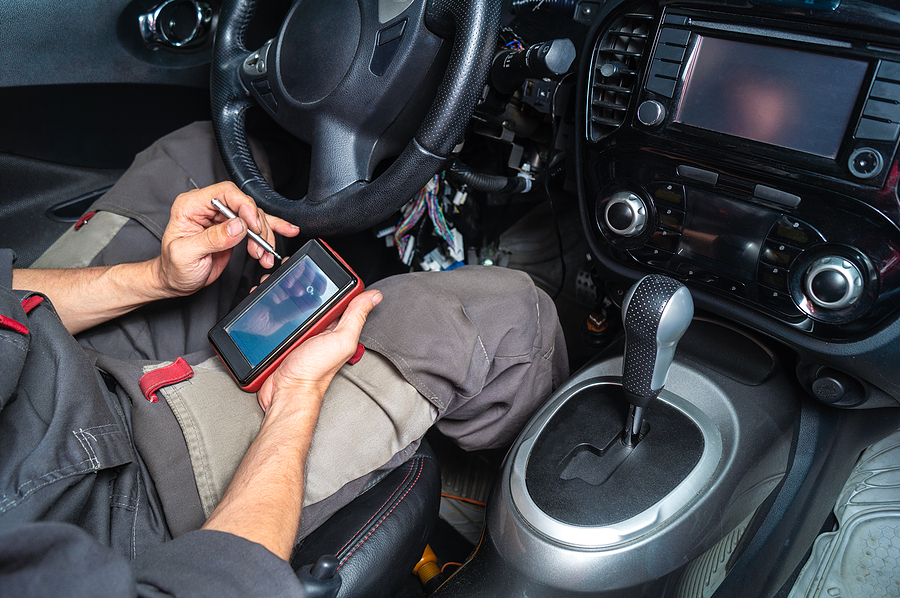
First, locate the OBD-II port in your vehicle. It is typically found under the dashboard, right beneath the steering wheel column. Once located, firmly plug the scanner into the port.
Next, turn your car’s ignition to the “ON” position without starting the engine. This powers the vehicle’s electrical system so the scanner can communicate with the computer. Follow the prompts on the scanner’s screen or your mobile app to initiate the scan. Within seconds, the device will display any active or pending codes.
Interpreting diagnostic trouble codes (DTCs)
The scanner will provide an alphanumeric code, such as “P0420”. The first letter indicates the system with the issue (P stands for Powertrain). The following numbers identify the specific fault. Most Bluetooth scanners will automatically define the code for you on your screen. If you are using a basic reader, a quick internet search of the code alongside your vehicle’s make and model will reveal the exact problem.
Clearing codes responsibly
Your scanner will give you the option to clear the code and turn off the check engine light. However, clearing the code does not fix the physical problem. The light will inevitably return once the car’s computer runs its internal tests again. You should only clear codes after you have physically repaired the issue to verify that your fix was successful.
FAQs about OBD-II scanners
Are all OBD-II scanners compatible with every car?
Any car sold in the United States after 1996 will work with a standard OBD-II scanner for basic engine codes. However, if you drive a hybrid or fully electric vehicle, you may need to invest in a more advanced, specialized scanner designed to read hybrid battery systems and electric drivetrains.
Can an OBD-II scanner damage my car?
Basic code readers and standard Bluetooth scanners are completely safe. They passively receive data from the car’s computer and do not alter internal programming. You would only risk causing issues if you used high-end, bi-directional scanners to reprogram modules without proper mechanical training.
How often should I use my OBD-II scanner?
You should reach for your scanner the moment a warning light appears on your dashboard. Additionally, plugging it in every few months for a routine check—or right before a long road trip—can help you catch pending codes before they trigger a dashboard alert.
Taking Control of Your Vehicle’s Health
Understanding your car’s internal health brings a tremendous amount of comfort to your daily commute. An OBD-II scanner demystifies the check engine light, transforms expensive mechanic visits into manageable DIY projects, and keeps you safely on the road. By investing a small amount of money into a reliable diagnostic tool, you ensure your vehicle runs smoothly for years to come.
Ready to upgrade your ride or get rid of a clunker? Sell your old, junked car for cash on the spot in Louisville, Kentucky! Enjoy free towing and same-day service.
Related Post: Dashboard Warning Lights: Your Complete Guide