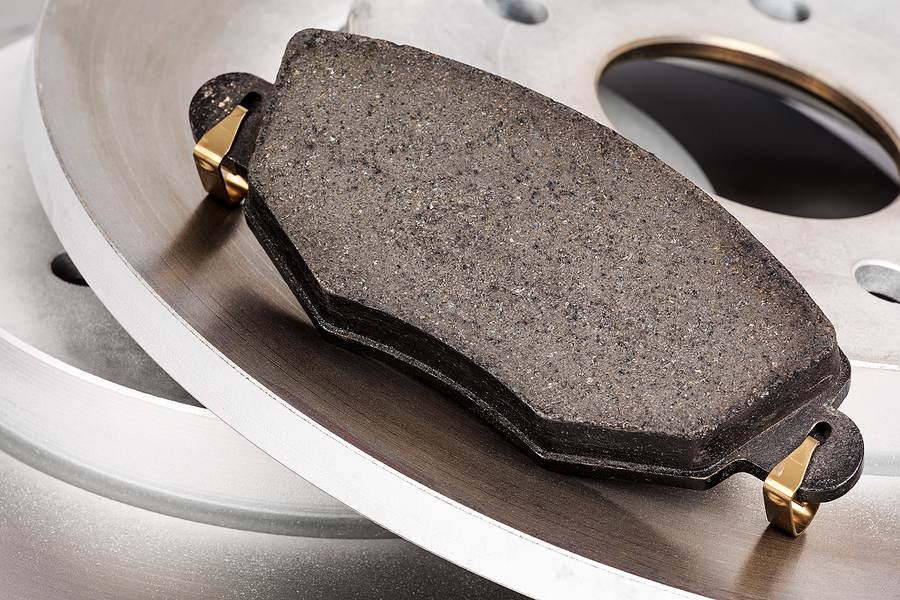
Your brake pads are one of the most critical safety components on your vehicle—yet they’re easy to overlook until something goes wrong. Every time you press the brake pedal, brake pads create the friction that slows your wheels to a stop. Over time, that friction wears them down. When they get too thin, stopping your vehicle safely becomes much harder.
The good news? Worn brake pads rarely fail without warning. Your vehicle gives you signals well before things get dangerous. Knowing what to look for—and what replacement will cost—can help you act before a minor repair turns into a major one.
Common Signs Your Brake Pads Are Worn Out
Squealing or Grinding Noises
That high-pitched squeal you hear when braking isn’t random—it’s intentional. Most brake pads include a small metal wear indicator designed to produce a squealing sound once the pad material gets too thin. Think of it as your vehicle’s built-in alarm system.
If the squealing progresses to a deep grinding sound, the situation is more serious. At that point, the pad material has likely worn away completely, and metal is grinding directly against your rotor. This can damage the rotor quickly and significantly increase your repair costs.
Reduced Braking Performance
A noticeable increase in stopping distance is a clear red flag. If your vehicle takes longer to stop than it used to, worn pads are a likely culprit. Similarly, a spongy or soft brake pedal—one that sinks further toward the floor before engaging—can indicate that your braking system needs attention.
Both of these symptoms directly affect your ability to react in emergency situations. Don’t dismiss them.
Vibrations and Pulsations
Feeling a vibration or pulsating sensation through your steering wheel or brake pedal when you brake? This often points to warped rotors, which can develop when brake pads wear unevenly or overheat. While the rotors are the immediate cause of the vibration, worn pads frequently contribute to the problem.
Visible Wear on the Brake Pads
On many vehicles, you can inspect your brake pads visually through the wheel spokes. A healthy pad is typically at least a quarter-inch thick. If the pad looks thin—or if you notice uneven wear between the inner and outer pad—it’s time to schedule a brake inspection.
Dashboard Warning Lights
Many modern vehicles include a brake wear indicator light on the dashboard. If this light illuminates, your vehicle’s sensors have detected that your pads are getting low. The ABS (anti-lock braking system) warning light can also appear when brake components are compromised. Either light warrants a prompt visit to a mechanic.
What to Expect During Brake Pad Replacement
Types of Brake Pads
Not all brake pads are created equal. The three main types are:
- Organic pads: Made from materials like rubber, glass, and resin. They’re quieter and gentler on rotors but wear faster.
- Semi-metallic pads: A blend of metal fibers and other materials. They offer strong performance and durability but can be noisier.
- Ceramic pads: Made from dense ceramic compounds. They’re quiet, long-lasting, and produce less dust—but tend to cost more upfront.
The right choice depends on your driving habits, vehicle type, and budget.
Other Components Involved in a Brake Job
Replacing brake pads alone isn’t always sufficient. A thorough brake job typically includes:
- Rotors: Your mechanic will assess whether the rotors can be resurfaced (machined smooth) or need full replacement. Thin or deeply grooved rotors usually require replacement.
- Calipers: These hydraulic components squeeze the pads against the rotor. While they don’t always need replacing, they should be inspected for leaks or seizing.
Skipping rotor or caliper inspection to save money upfront can lead to premature pad wear and additional costs later.
What a Mechanic Does During a Brake Job
A mechanic will remove the wheel, inspect the full braking assembly, replace the pads, and address rotor and caliper conditions as needed. The process typically takes one to two hours per axle. Many shops will also perform a test drive to confirm proper brake function before returning the vehicle to you.
How Much Does Brake Pad Replacement Cost?
Factors That Influence the Price
Several variables affect the final cost of a brake job:
- Vehicle make and model: Luxury and performance vehicles typically require more expensive parts.
- Type of brake pads: Ceramic pads cost more than organic options.
- Labor rates: Costs vary by region and shop type—dealerships often charge more than independent mechanics.
- Rotor condition: If rotors need resurfacing or replacement, your bill increases accordingly.
Estimated Cost Ranges
For a standard passenger vehicle, brake pad replacement typically costs between $100 and $300 per axle, including parts and labor. Adding rotor replacement can bring the total to $250–$500 per axle. High-end or performance vehicles can cost significantly more.
The Cost of Ignoring Worn Brake Pads
Delaying brake pad replacement is a false economy. Metal-on-metal contact can destroy rotors in a short period, turning a $150 pad replacement into a $500+ repair. Beyond cost, continuing to drive on worn pads puts you, your passengers, and others on the road at serious risk.
Is Your Car Worth the Repair?
Sometimes a brake job is just the beginning. If your vehicle is racking up repair bills and the costs are adding up faster than the car is worth, it might be time to consider another option.
GC’s Junk Cars pays cash on the spot for vehicles in Louisville, Kentucky—and towing is completely free. Rather than sinking money into a car that keeps breaking down, you could walk away with cash in hand. Get a quote today and see what your vehicle is worth.
Frequently Asked Questions About Brake Pads
How often should brake pads be replaced?
Most brake pads last between 30,000 and 70,000 miles, depending on driving habits and pad type. City drivers who brake frequently will wear through pads faster than highway drivers. A good rule of thumb: have your brakes inspected at every tire rotation.
Can I replace brake pads myself?
Technically, yes—brake pad replacement is a DIY-friendly job for those with mechanical experience and the right tools. However, since brakes are a critical safety system, errors can have serious consequences. If you’re not confident in your abilities, professional installation is the safer choice.
What happens if I don’t replace my brake pads?
Continuing to drive on worn brake pads leads to rotor damage, reduced stopping power, and increased risk of brake failure. What starts as a straightforward pad replacement can escalate into a much costlier repair—or worse, an accident.
Don’t Wait Until It’s Too Late
Worn brake pads don’t fix themselves, and the warning signs are hard to miss once you know what to look for. Squealing, grinding, vibrations, and longer stopping distances all point to the same conclusion: it’s time for a brake inspection. Catching the problem early keeps repair costs manageable and, more importantly, keeps you safe on the road.
If your vehicle is giving you more trouble than it’s worth, remember that GC’s Junk Cars in Louisville, Kentucky is ready to take it off your hands—cash in hand, free towing included.
Related Posts:
Brake the Bank? The Real Cost of Car Brake Replacement
Understanding Common Causes of High Cost Car Repairs
Winter-Proof Your Ride: Essential Vehicle Maintenance Guide