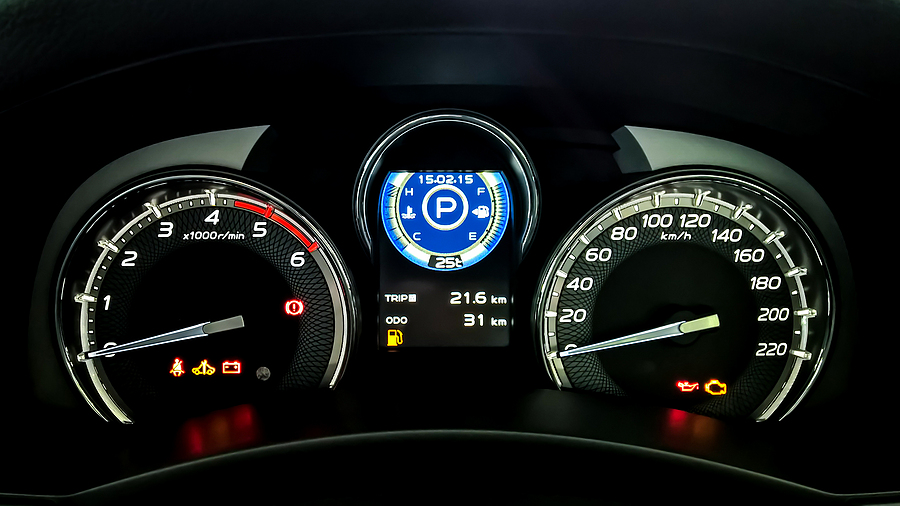
It happens to the best of us. You’re driving along, singing to the radio, when suddenly a symbol illuminates on your dashboard. Your stomach drops. Is it serious? Can you make it home, or do you need to pull over immediately?
Modern vehicles are equipped with complex sensors that monitor everything from tire pressure to engine combustion. When something isn’t right, your car tries to communicate with you through these dashboard symbols. While it feels stressful, these lights are actually helpful tools designed to keep you safe and prevent expensive repairs.
Ignoring these signals can lead to catastrophic failure, but understanding them gives you the power to make smart decisions. This guide breaks down the most common warning lights, decoding the cryptic symbols so you can drive with confidence and peace of mind.
TL;DR and Key Takeaways:
If you are in a rush, here is the quick summary of what you need to know about dashboard symbols:
- Color Matters: Red means stop immediately; yellow means caution/check soon; green or blue means a system is active.
- Check Engine: This can range from a loose gas cap to a serious engine misfire. Do not ignore it.
- Oil & Brakes: These are critical safety warnings. If these lights turn red, pull over safely and call for help.
- Don’t Panic: Most yellow lights allow you to drive to a mechanic, but red lights usually require a tow.
Table of Contents:
- What Do Dashboard Light Colors Mean?
- Why is My Check Engine Light On?
- What Does the Oil Pressure Light Indicate?
- Is Your Brake System Warning Light Glowing?
- Why is the Battery Alert Light Flashing?
- Frequently Asked Questions
- Quick Recap
- Turn Your Old Car Into Cash
What Do Dashboard Light Colors Mean?
The first step in diagnosing a dashboard light is simply looking at the color. Automakers follow a traffic light logic that is universal across most brands.
Green or Blue: Systems Active
These are not trouble lights. They simply indicate that a system is currently on and working. Common examples include your headlights, high beams, or cruise control. You can keep driving normally.
Yellow or Orange: Caution Required
A yellow or orange light indicates that a non-critical component needs attention. Your car is still safe to drive, but you should inspect the vehicle or schedule an appointment with a mechanic soon. Ignoring a yellow light often leads to a red light later.
Red: Stop Immediately
A red light indicates a severe safety issue or a critical mechanical failure. Driving with a red warning light can destroy your engine or put your life at risk. If you see red, pull over safely and turn off the engine.
Why is My Check Engine Light On?
Your vehicle’s onboard computer has detected a problem with the engine or emissions system. The “Check Engine” light (often shaped like a stylized engine block) is the most ambiguous symbol on the dash. It connects to the On-Board Diagnostics (OBD) system and can be triggered by hundreds of different error codes.
One of the most common—and easiest—fixes is a loose gas cap. If the cap isn’t tightened until it clicks, the system detects a vapor leak and triggers the light. However, other common culprits include:
- Oxygen Sensor Failure: This sensor measures unburned oxygen in your exhaust. If it fails, your gas mileage will drop.
- Catalytic Converter Issues: This is an expensive car part that reduces exhaust gases. It often fails if other maintenance issues are ignored.
- Spark Plug/Ignition Coil Issues: If your engine feels like it is stuttering or “misfiring,” this is likely the cause.
If this light is steady yellow, you can drive to a shop. If it is flashing red, stop driving immediately to avoid permanent engine damage.
What Does the Oil Pressure Light Indicate?
Your engine has lost oil pressure, meaning internal components are not being lubricated properly. This is arguably the most dangerous light for your car’s health. It usually looks like an old-fashioned oil can with a drop leaking from the spout. Without proper oil pressure, metal parts inside your engine grind against each other, creating massive friction and heat.
If this light comes on, it could mean your oil level is critically low, or it could mean the oil pump has failed. Do not try to drive to the nearest service station. Pull over immediately and check your oil dipstick. If the oil is full but the light stays on, call a tow truck. Running the engine for even a few minutes with this light on can result in total engine seizure.
Is Your Brake System Warning Light Glowing?
Your parking brake is engaged, your brake fluid is low, or there is a malfunction in the braking system. Seeing a red exclamation mark inside a circle (or the word BRAKE) can be alarming. First, check the obvious: is your handbrake or parking brake engaged? Even if it is only slightly up, the light will trigger.
If the parking brake is off and the light remains, check your brake fluid reservoir. Low fluid often indicates worn-out brake pads or a leak in the hydraulic lines. If the pedal feels “spongy” or sinks to the floor, do not drive the car. Your ability to stop is compromised.
Why is the Battery Alert Light Flashing?
The vehicle is running only on battery power because the charging system (alternator) is not working. Many drivers assume this symbol (a rectangle with plus and minus signs) means they need a new battery. While that is possible, it usually indicates that the alternator—the part responsible for charging the battery while you drive—has failed or a drive belt has broken.
Your car will continue to run for a short time on the remaining energy stored in the battery, but once that drains, the engine will die and will not restart. Turn off all non-essential electronics (radio, A/C, heated seats) and drive immediately to the nearest repair shop.
Frequently Asked Questions
What does the TPMS light mean?
The Tire Pressure Monitoring System (TPMS) light looks like a horseshoe with an exclamation point. It means one or more of your tires is significantly under-inflated (or over-inflated). Check your tire pressure as soon as possible to prevent a blowout.
Why is the “Traction Control” light on?
This usually looks like a car with squiggly lines behind it. If it flashes while you are driving on rain or snow, it means the system is working and helping you maintain grip. If it stays on constantly, the system may have a malfunction or has been manually turned off.
What is the ABS light?
The Anti-lock Braking System (ABS) prevents your wheels from locking up during a panic stop. If the ABS light is on, your normal brakes will still work, but the anti-lock safety feature is disabled. You should get it checked, especially before winter driving.
Quick Recap:
- Green/Blue: System active (All good).
- Yellow: Caution (Check soon).
- Red: Danger (Stop now).
- Check Engine: Emissions or engine trouble (Check gas cap first).
- Oil Can: Low oil pressure (Stop engine immediately).
- Battery: Charging system failure (Go to shop immediately).
- Brake Light: Parking brake on or fluid low.
Turn Your Old Car into Cash
Sometimes, a dashboard lighting up like a Christmas tree is a sign that your vehicle has reached the end of the road. If the cost of repairs exceeds the value of the car, it might be time to let it go.
Don’t let a breakdown ruin your day or your bank account. If you are dealing with constant mechanical issues or a car that just won’t start, we can help. We offer fast, hassle-free junk car removal in Louisville. We will pick up your vehicle and pay you cash on the spot, regardless of its condition.
Get Cash for Your Car in Louisville Today
Related Post: Decoding the Mystery of the Check Engine Light