Watching the water rise around your vehicle is a helpless and distressing experience. A submerged car brings severe financial stress and creates major safety hazards. Water ruins delicate electronics, destroys engines, and breeds hazardous mold in the upholstery.
Figuring out what to do with a flooded vehicle can feel incredibly overwhelming. Repairing a submerged car frequently costs more than the vehicle is actually worth. Because water damage is so extensive, many owners quickly realize that selling the vehicle is their most logical choice.
Navigating the sale of a totaled vehicle requires a solid understanding of the mechanical damage and the legal requirements involved. This guide will walk you through the process of assessing your flooded car, understanding state disclosure laws, and finding the best way to move forward with ease.
Assessing the Damage: Is Your Submerged Car a Total Loss?
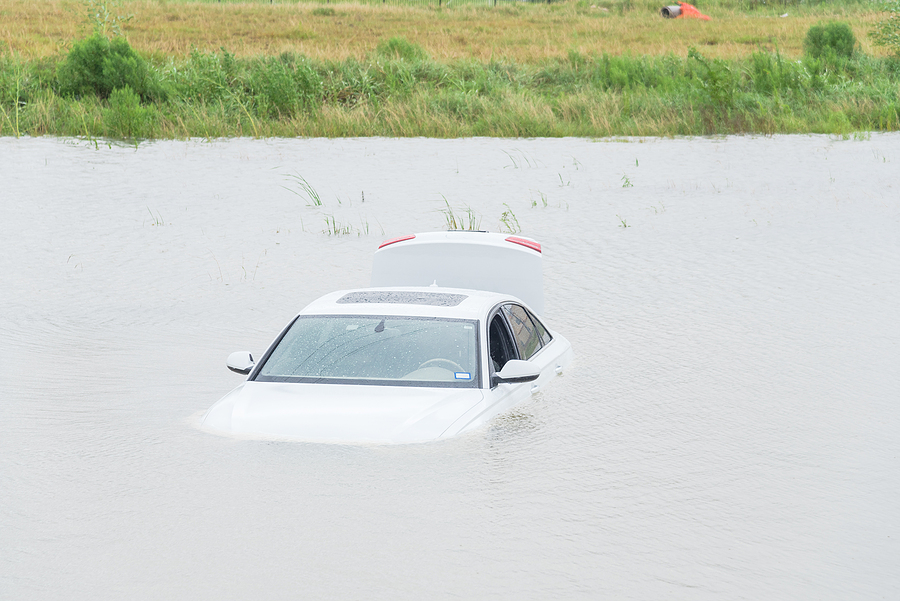
Water acts fast, and the damage it causes to a vehicle is often permanent. When a car sits in deep water, the structural integrity and safety systems are deeply compromised. Insurance companies typically declare a flooded vehicle a total loss because the cost to completely restore it is astronomically high.
Determining the extent of the destruction is your first step. Even if the car starts up after drying out, severe problems usually lurk beneath the surface.
Identifying Mechanical, Electrical, and Interior Flood Damage
Different systems in your vehicle react poorly to submersion. Knowing what to look for will help you understand the true condition of your car.
Mechanical Damage: When water enters the engine cylinders, it causes a condition known as hydrolock. Attempting to start a hydrolocked engine bends the piston rods and destroys the motor entirely. Furthermore, floodwater mixes with the fluids in your transmission and brake lines, causing internal corrosion that will eventually lead to complete mechanical failure.
Electrical Damage: Modern cars rely heavily on complex electrical systems. Submersion shorts out the engine control module (ECM), airbag sensors, and infotainment systems. You might notice power locks failing, windows refusing to roll down, or erratic dashboard lights. Electrical gremlins often appear weeks or even months after the initial flood.
Interior Damage: Water soaks deep into the seat cushions, floor mats, and sound-deadening insulation. Within a few days, mold and mildew begin to grow. This creates a terrible odor and presents a serious respiratory hazard. Removing this damage completely requires stripping the interior down to bare metal.
Understanding Your Legal Obligations When Selling a Flooded Vehicle
Selling a water-damaged car requires strict adherence to state laws. Attempting to hide flood damage is illegal and can lead to severe penalties. In Kentucky, the laws regarding flooded vehicles are very clear to protect consumers. Under KRS 186A.530, the owner of a water-damaged vehicle must apply for a salvage certificate of title. Once processed, the state issues a title with the words “water damaged” clearly printed on the face of the document.
If you plan to sell the vehicle, you must disclose this title brand to any prospective buyer prior to the sale. If a licensed dealer sells a rebuilt or water-damaged vehicle, Kentucky law requires a specific sticker placed on the car featuring bold, 10-point type declaring the vehicle’s status.
For private sellers, the disclosure must be clearly acknowledged during the transaction. Failing to procure the buyer’s acknowledgment signature makes the sale voidable by the buyer within 45 days after the title issuance.
Options for Selling: Dealerships, Private Buyers vs. Junk Car Services
Once you have your salvage title in hand, you need to find a buyer. You generally have three main avenues, each with its own set of challenges.
First, you can approach local dealerships. Most traditional dealerships refuse to accept water-damaged vehicles as trade-ins. The liability is too high, and they cannot legally resell a flooded car on their standard used lot.
Second, you might try finding a private buyer. Selling a flooded car privately is incredibly difficult. Most everyday buyers lack the expertise to rebuild a submerged car and will walk away the moment they see a “water damaged” title brand. You also expose yourself to potential disputes if the buyer later claims you were not transparent about the vehicle’s condition.
Finally, you can work with a junk car buying service. These companies specialize in purchasing end-of-life, wrecked, and flooded vehicles. They understand the exact value of the scrap metal and usable parts, making them the most reliable option for offloading a totaled car.
Why Selling to a Specialized Junk Car Buyer is Your Best Bet
Dealing with a submerged car is stressful enough without the hassle of haggling with strangers or paying for expensive classified ads. A specialized junk car buyer simplifies the entire process. They buy vehicles exactly as they sit, meaning you do not need to attempt any repairs or pay for an expensive interior detailing job.
Getting Cash on the Spot for Your Water-Damaged Vehicle
Working with a reputable junk car buyer guarantees a fast, transparent transaction. You provide the details of your vehicle, present your branded title, and receive a guaranteed offer. Because they handle towing and transportation, you can clear out your driveway and walk away with cash in hand the very same day.
Frequently Asked Questions About Selling Flooded Cars
Can I dry out my car and sell it without a salvage title?
No. If your car was submerged in water and sustained significant damage, failing to report it and attempting to pass it off as a clean-title vehicle is a form of fraud. You must comply with state laws regarding title branding.
Will my insurance company cover a flooded car?
If you carry comprehensive auto insurance, flood damage is typically covered. Your insurance provider will evaluate the vehicle, likely declare it a total loss, and issue a payout based on the car’s actual cash value before the flood. The insurance company then usually takes ownership of the car and applies for the salvage title.
What happens if I keep my flooded car after an insurance payout?
You can choose to retain the vehicle after a total loss settlement. Your insurance payout will be reduced by the salvage value of the car. You must then apply for a salvage or water-damaged title yourself before you can legally sell the vehicle to a scrap yard or junk buyer.
Moving On From a Totaled Vehicle With Ease
A flooded car disrupts your daily routine and drains your energy. Understanding the extent of the mechanical ruin and your legal responsibilities ensures you navigate this difficult situation properly. By choosing the right selling method, you can resolve the issue quickly and focus on finding a reliable replacement vehicle.
If you are dealing with a submerged vehicle, we are here to help. Get a free junk vehicle offer in Louisville, Kentucky today. We pay cash on the spot and provide free towing, making the entire process completely effortless for you.
Related Post: Is Your Car Totaled? Here’s How to Tell