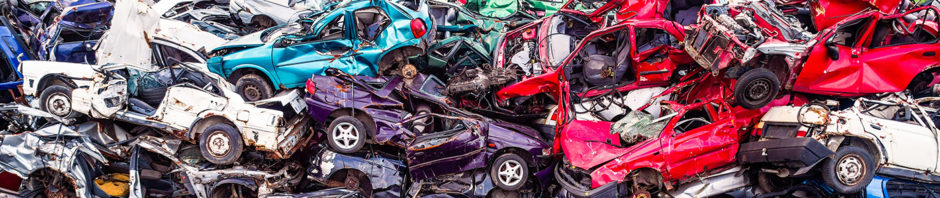
Your electric vehicle just got totaled. It’s sitting in the driveway, the insurance company has written it off, and you’re wondering what it’s actually worth. The good news? A totaled EV is far from worthless—in fact, it can be worth significantly more at a scrapyard than a totaled gas-powered car.
Knowing what your vehicle is worth before you call a scrapyard puts you in a much stronger position to get a fair deal. This guide breaks down what scrapyards pay for totaled EVs, what drives that number up or down, and how to make sure you walk away with the most cash possible.
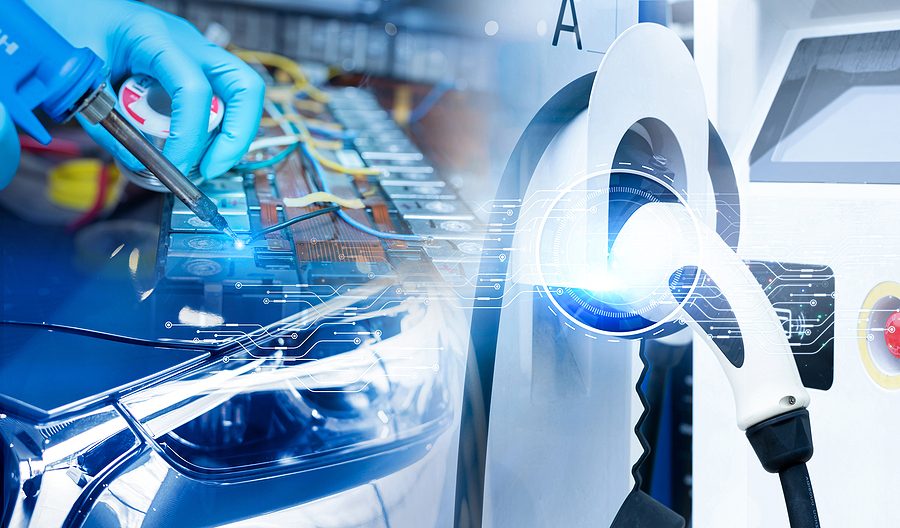
How Much Cash You’ll Get for a Totaled EV
The honest answer: it depends. But the ranges are worth knowing.
A typical gas-powered junk car fetches somewhere between $300 and $500, based on an average scrap rate of around $165 per ton and an average vehicle weight of roughly two tons (according to CarBrain). A totaled electric vehicle, however, can command considerably more—often $500 to $3,000 or higher—depending on the model, battery type, and current scrap metal prices.
The wide range reflects real differences between vehicles. A totaled Nissan Leaf with an older battery pack will sit at the lower end. A totaled Tesla Model 3 or Ford F-150 Lightning, with its heavier frame and more valuable battery chemistry, can push toward the top of that range or beyond.
Why EVs Tend to Pay More Than Gas Cars
Two reasons drive this gap: weight and battery value.
EVs are heavier than comparable gas vehicles—often by 10 to 20%. According to Recurrent Auto, the Chevrolet Bolt EUV weighs 3,679 pounds compared to the similarly sized Chevy Trax at 3,124–3,292 pounds. The Ford F-150 Lightning starts at 6,015 pounds versus the gas F-150’s 4,941-pound baseline. More weight means more metal, and more metal means a higher scrap payout.
Then there’s the battery. That single component can contain $500 to $2,000 worth of recoverable materials (according to P&T Metals, October 2025), which is something no gas-powered car can match.
Factors That Determine Your EV’s Scrapyard Value
Battery Health and Chemistry
Not all EV batteries are created equal. Battery chemistry plays a huge role in how much a scrapyard will offer.
NMC (nickel-manganese-cobalt) batteries—found in many Teslas and other premium EVs—contain the most recoverable value. According to P&T Metals, a single NMC pack can contain:
- 15–30 lbs of cobalt at $20–25/lb ($300–$750 in cobalt alone)
- 60–100 lbs of nickel at $8–12/lb ($480–$1,200)
- 15–25 lbs of lithium at $7–9/lb ($105–$225)
- 20–30 lbs of copper at $3.50–4.50/lb ($70–$135)
LFP (lithium iron phosphate) batteries, common in base-model Teslas and many Chinese-manufactured EVs, skip the cobalt and nickel entirely. They’re worth less to recyclers, which will be reflected in your offer.
Battery health matters too. A pack that still holds 80% of its original capacity may have second-life value for energy storage applications, potentially increasing what a scrapyard or battery recycler will pay.
Vehicle Weight and Metal Content
Scrapyards price vehicles primarily by weight. A heavier EV with more aluminum, copper wiring, and structural steel is simply worth more. EVs also use more aluminum than traditional gas cars—in hoods, doors, battery enclosures, and structural components—and aluminum pays more per pound than standard steel.
Current Scrap Metal Prices
Scrap metal prices fluctuate daily, much like gas prices. Steel, aluminum, copper, cobalt, and nickel all move with global supply and demand. Selling when metal markets are strong can meaningfully increase your payout. Resources like iScrapApp or the London Metal Exchange (LME) can give you a real-time sense of where prices stand before you call around for quotes.
EV Model Popularity and Parts Demand
Teslas, Chevy Bolts, and Nissan Leafs are among the most common EVs in scrapyards, meaning there’s an established market for their parts. Popular models often command better offers because scrapyards can recover value through both parts resale and recycling. Rarer models may be harder to price and sometimes generate lower offers as a result.
Age and Mileage
Older vehicles with higher mileage typically fetch less, not because scrap metal loses value, but because the battery is more likely to be degraded. A 2019 Nissan Leaf with 120,000 miles on it has a very different battery value profile than a 2023 Tesla Model 3 with 40,000 miles.
The Role of Battery Recycling in EV Payouts
EV batteries are the most valuable component on the vehicle—and the most complex to process.
According to Urban E Recycling, a single EV battery alone can cost up to $20,000 new. That embedded value doesn’t disappear when a car is totaled. Recyclers break battery packs down into their component materials—cobalt, nickel, lithium, magnesium, and copper—which are then purified and reused in new batteries and other products.
The recycling process matters to your payout because scrapyards must factor in the cost of handling, discharging, and transporting battery packs safely. Lithium-ion batteries require careful discharge before they can be processed, and damaged packs can pose serious safety risks. Facilities with proper battery-handling infrastructure can offer more for your vehicle than those without.
It’s also worth knowing that some platforms, like Redwood Materials, specialize in EV battery buyback and may offer competitive quotes specifically for the battery pack itself.
Getting the Best Price for Your Totaled EV
Prepare Before the Appraisal
A few simple steps can make a real difference in the offer you receive:
- Have your title ready. Scrapyards require proof of ownership. A clean title speeds up the process and can sometimes improve your offer.
- Gather your insurance paperwork. A total loss declaration from your insurer confirms the vehicle’s condition and history.
- Don’t strip the vehicle. Removing parts—even ones you think are valuable—can reduce the weight-based scrap offer you receive. Unless you have a buyer lined up for specific components, leaving the car intact is usually the smarter move.
Get Multiple Quotes
Scrapyard pricing varies more than most people expect. Location, current metal prices, and individual buyer demand all influence what you’re offered. Call at least three to four Louisville junk car buyers before accepting anything. A $200–$400 difference between quotes is common, especially for EVs with more complex battery chemistry.
Timing Considerations
Scrap metal prices tend to be stronger in spring and summer, when construction activity increases demand for steel and aluminum. If you have flexibility on timing, selling during warmer months can give you a slight edge. That said, metal prices are only one piece of the equation—don’t wait indefinitely if you have a solid offer in hand.
Frequently Asked Questions
How long does it take to get paid for a totaled EV at a scrapyard?
Most reputable scrapyards pay cash on the spot when they pick up the vehicle. Towing is typically arranged within 24–48 hours of accepting an offer.
Do I need to drain the EV battery before selling it to a scrapyard?
No. A licensed scrapyard or junk car buyer will handle battery discharge as part of their standard process. Do not attempt to discharge or dismantle the battery yourself—it requires specialized equipment and training.
Does a damaged or swollen EV battery reduce my scrapyard offer?
Yes, it can. A battery showing signs of damage or thermal issues requires more careful handling and may have reduced material recovery value. That said, it doesn’t eliminate value entirely—the metals inside are still recoverable.
Can I sell just the EV battery pack separately?
In some cases, yes. Platforms like Redwood Materials accept battery packs directly from auto recyclers. However, removing the battery pack from a vehicle is a complex, potentially hazardous job that should only be performed by qualified professionals.
Do all scrapyards accept totaled electric vehicles?
Not all scrapyards are equipped to handle EV batteries safely. It’s worth confirming that the buyer has experience with electric vehicles before accepting an offer.
Turn Your Totaled EV into Cash Today
A totaled electric vehicle still holds real value—often more than most owners expect. The battery chemistry, vehicle weight, metal content, and current market prices all shape what you’ll receive, but in the right hands, a totaled EV can generate a solid cash payout.
GC’s Junk Cars in Louisville, Kentucky makes the process simple. We buy totaled electric vehicles, pay cash on the spot, and offer free towing—no hassle, no hidden fees. Contact us today for a fast, fair quote on your totaled EV.
Related Posts:
Uncovering Value: The Silver Lining for Total Loss Cars in Indiana
What to Do With a Totaled Car if You Do Not Have Collision Coverage
The Hidden Value in Your Junk Car: What Scrap Yards Look For