Is Your Car Totaled? Here’s How to Tell

A car accident or major breakdown are stressful experiences, and the aftermath can be just as confusing. One of the most significant questions you’ll face is whether your vehicle is repairable or if it’s considered “totaled.” This isn’t just about the physical damage; it’s a financial and legal determination that has major implications for you as a car owner.

Understanding this process is essential for navigating the insurance claim and making the best decision for your situation. This guide will walk you through what it means for a car to be totaled, how insurance companies make that call, and what your options are if it happens to you.

Call 502-804-5605 to Sell a Totaled Car in Louisville Kentucky

What Does “Totaled” Mean?

A car is declared a “total loss,” or totaled, when the cost to repair it to its pre-incident condition is higher than its actual cash value (ACV). Insurance companies and state laws have specific criteria for this determination, but the core principle is economical. If fixing the car costs more than the car is worth, it is no longer financially sensible to repair it.

Several factors contribute to this decision:

  • Cost of Repairs: This includes parts, labor, and any other expenses required to restore the vehicle.
  • Actual Cash Value (ACV): This is the market value of your car right before the accident occurred.
  • Salvage Value: This is the amount the insurance company can get by selling the damaged car to a salvage yard.

The decision isn’t based solely on whether the car is drivable. A vehicle with significant frame damage might look deceptively fine but could be structurally unsound and expensive to fix, leading to a total loss declaration. Conversely, a car with extensive cosmetic damage might be ugly but still safe and cheaper to repair than its total value.

How Insurance Companies Decide

When you file a claim, your insurance company will follow a structured process to determine if your car is a total loss. This involves calculating the vehicle’s value and estimating repair costs.

Total Loss Threshold

Every state has a “total loss threshold” (TLT), which is a percentage set by law. If the repair costs exceed this percentage of the car’s ACV, the insurance company must declare it a total loss. For example, if your state’s TLT is 75% and your car’s ACV is $10,000, it will be totaled if repair estimates exceed $7,500. Some states allow insurance companies to use their own formulas, but the principle remains the same. In Kentucky, the TLT is 75 percent.

Actual Cash Value (ACV)

The ACV is the cornerstone of the total loss calculation. It’s not what you paid for the car or what a new one would cost; it’s the market value of your vehicle just before the accident. To determine the ACV, insurance adjusters consider:

  • Make, model, and year: The basics of your vehicle.
  • Mileage: Lower mileage generally increases value.
  • Overall condition: This includes the interior, exterior, and mechanical state before the crash.
  • Recent sales: The adjuster will look at the sale prices of similar vehicles in your local area.
  • Special features: Any upgrades or customizations can also affect the value.

Repair Estimates

An insurance adjuster will inspect the damage to your vehicle or review estimates from certified repair shops. This estimate includes the cost of replacement parts and the hours of labor required. If this estimated cost surpasses the state’s TLT or the insurer’s internal threshold, the vehicle will be declared totaled.

Get a Free Junk Car Appraisal in Louisville Today!

What to Do If Your Car Is Totaled

Receiving news that your car is a total loss can be disheartening, but you have options. It’s important to understand your rights and the steps you can take.

  1. Review the Insurance Company’s Offer: The insurer will present you with a settlement offer based on their ACV calculation. Scrutinize this document. Ensure all the details about your car—trim level, features, and condition—are accurate.
  2. Negotiate the Settlement: If you believe the ACV is too low, you have the right to negotiate. Provide evidence to support your claim, such as listings for comparable vehicles in your area, records of recent upgrades, or a third-party appraisal.
  3. Decide on Your Next Steps: Once you agree on a settlement amount, you have two main choices:
  4. Accept the settlement: You sign over the title to the insurance company, and they give you a check for the agreed-upon ACV (less your deductible). You can then use this money to buy a new car.
  5. Keep the car: You can choose to keep your totaled vehicle. In this case, the insurance company will pay you the ACV minus your deductible and the car’s salvage value.

The Implications of Keeping a Totaled Car

Keeping a totaled vehicle might seem like a good way to get some extra cash, but it comes with significant strings attached.

Salvage Title

When you keep a totaled car, its title is rebranded as a “salvage title.” This permanently marks the vehicle as having been a total loss. To legally drive it again, you’ll need to have it repaired and pass a rigorous state inspection. If it passes, it will be issued a “rebuilt” title.

Safety and Resale Value

Even with a rebuilt title, the car’s history will be a red flag for future buyers. The resale value of a vehicle with a rebuilt title is drastically lower than one with a clean title. Furthermore, some insurance companies are hesitant to provide full coverage for rebuilt vehicles, and you may have trouble finding a willing insurer. There are also potential safety concerns, as even a certified repair might not restore the vehicle’s original structural integrity.

Repairable vs. Totaled: A Quick Comparison

How do you know if your car is likely to be repaired instead of totaled?

  • Repairable: Damage is often cosmetic or involves replaceable parts without compromising the frame or safety systems. The repair costs are well below the vehicle’s ACV and the state’s total loss threshold.
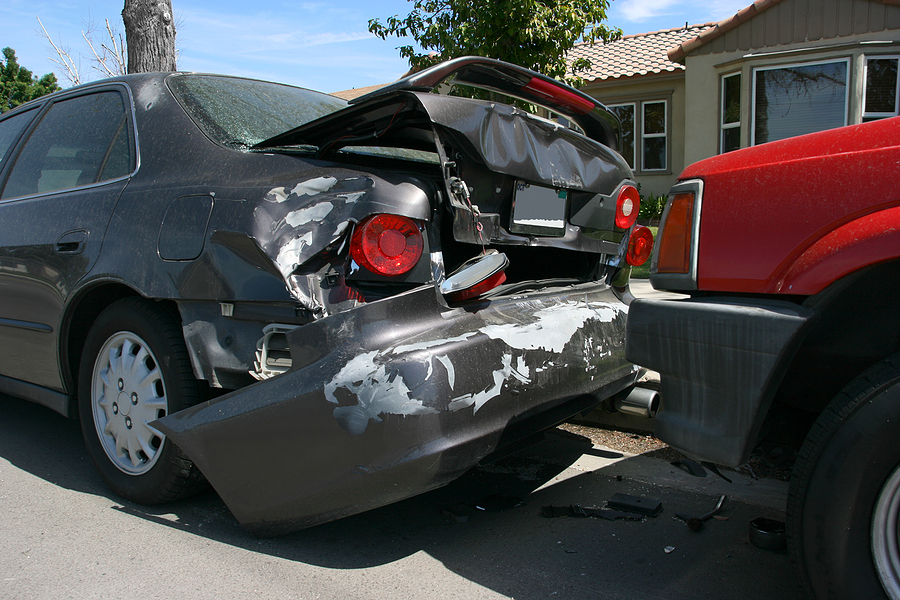
  • Totaled: Damage is severe, often affecting the frame, engine, or multiple major systems. Repair costs approach or exceed the car’s ACV. A common example is flood damage, which can ruin a car’s electronics and interior even if the body looks intact.

Repairing a damaged car allows you to keep a vehicle you’re familiar with, but you risk dealing with lingering mechanical issues. Accepting a total loss settlement gives you a clean break and funds for a new purchase, but it means going through the process of car shopping again.

Conclusion

Dealing with a badly damaged car is never easy. Understanding whether it’s repairable or a total loss empowers you to work effectively with your insurance company and make an informed decision. Always review your insurer’s assessment carefully, know your rights, and consider all your options before signing any paperwork.

If your car is totaled and you’re in the Louisville, Kentucky area, repairing it may not be your best option. Instead of dealing with the hassle of a salvage title, consider getting cash for your totaled car. GC’s Junk Cars offer a simple, fast way to turn your damaged vehicle into money you can use for your next purchase.

Contact Us Today to get a quote.

Related Post: Uncovering Value: The Silver Lining for Total Loss Cars in Indiana

Parting Out Your Junk Car: Is It Worth It?

If you have an old, non-functional vehicle sitting in your driveway or garage, you might be wondering what to do with it. While many people choose to sell their junk car to a scrap yard, another option is gaining popularity: parting it out. This process involves dismantling the vehicle and selling its individual components. But is this the right choice for you?

Parting out a car can be a rewarding project, both financially and personally. However, it also requires a significant investment of time, effort, and resources. This guide will walk you through the pros and cons of car dismantling, help you determine if it’s a worthwhile endeavor for your situation, and explain the steps involved.

Call 502-804-5605 to Get a Free Quote From Our Junk Car Part Buyers in Louisville Kentucky

The Advantages of Parting Out a Junk Car

Dismantling a car and selling its parts individually can offer several compelling benefits.

Higher Potential Profit

The primary motivation for many people who part out a car is the potential for greater financial return. While junk car buyers and auto salvage yards offer a convenient way to get cash for junk cars, they typically pay based on the vehicle’s weight and current scrap metal prices.

By selling individual junk car parts, you can often earn significantly more than the car’s scrap value. High-demand items like engines, transmissions, and catalytic converters can fetch a considerable price on their own.

Eco-Friendly Recycling

Parting out a car is an excellent way to recycle. Instead of crushing the entire vehicle, you are salvaging usable components and giving them a second life. This reduces the demand for new parts manufacturing, which consumes energy and raw materials. By ensuring that functional parts are reused, you are contributing to a more sustainable, circular economy in the automotive industry.

Access to Rare and Discontinued Parts

For owners of vintage, classic, or rare vehicles, finding replacement parts can be a major challenge. If your junk car is a less common model, parting it out can be a great service to a community of fellow enthusiasts.

You might possess salvage car parts that are no longer in production, making them highly valuable to someone trying to restore a similar vehicle. For example, specific trim pieces, body panels, or interior components for a late 1960s Ford Mustang can be in high demand.

The Disadvantages of Parting Out a Junk Car

Despite the potential rewards, parting out a car is not a simple task. It comes with its own set of challenges that you should consider carefully.

Time, Effort, and Space

Car dismantling is a labor-intensive process. It requires many hours of physical work to safely remove parts without damaging them. After disassembly, you need to clean, photograph, list, and ship each component. This entire process can take weeks or even months. You will also need a significant amount of space, not just to work on the car, but also to store the parts until they are sold.

Specialized Tools and Knowledge

To properly dismantle a car, you need more than just a basic toolbox. Specialized equipment like an engine hoist, impact wrenches, and a variety of sockets and pullers are often necessary. Furthermore, you need a solid level of mechanical knowledge. Without it, you risk damaging valuable parts or, more importantly, injuring yourself.

Handling Hazardous Materials

Vehicles contain several hazardous fluids, including motor oil, gasoline, antifreeze, and brake fluid. These materials must be drained and disposed of according to strict environmental regulations set by the EPA and local authorities. Mishandling these substances can lead to fines and harm the environment.

Legal and Regulatory Hurdles

There are legal requirements to consider. Depending on your state, you may need to surrender the vehicle’s title to the DMV once it is no longer roadworthy. Additionally, some jurisdictions have regulations about selling used auto parts, which could require special permits or licenses.

Get a Free Offer for Your Junk Car Right Now!

Factors to Consider Before You Begin

Before you grab your tools, evaluate if parting out is the right decision for you.

Your Car’s Condition and Model: Research the demand for parts from your specific car model. Cars like 1990s Honda Civics, Jeep Cherokees (XJ), and early 2000s Toyota Tacomas are often good candidates because their parts are in high demand. If your car has many damaged or worn-out components, its junk car value may be higher as scrap.

Your Mechanical Skill: Be honest about your abilities. If you’re a novice, you may find the process overwhelming and potentially dangerous.

Profitability Assessment: Compare the estimated total value of the parts against a quote from a local junk car buyer. Research prices on online marketplaces like eBay Motors and forums dedicated to your car model. Don’t forget to subtract the costs of tools, storage, and disposal fees.

Time Commitment: How much free time can you realistically dedicate to this project? If you have a busy schedule, the quick cash from an auto salvage yard might be a better option.

Frequently Asked Questions (FAQs)

How do I determine the value of individual parts?

Research completed listings on eBay, check online forums for your car’s make and model, and call local salvage yards to ask about their prices for similar parts. This will give you a good idea of the market rate.

What tools are essential for dismantling a car?

At a minimum, you’ll need a comprehensive socket set, wrenches, screwdrivers, pliers, a jack, and four jack stands. An engine hoist, impact wrench, and specialized pullers will make the job much easier.

Where can I sell the parts I remove from the car?

You can sell parts on online marketplaces like eBay and Facebook Marketplace, in forums dedicated to your car model, or at local swap meets. You can also sell directly to local mechanics or DIY enthusiasts.

What are the legal requirements for parting out a car in my state?

Regulations vary by state. Contact your local DMV to understand the rules regarding title surrender and selling used parts. You may be required to obtain a dismantler’s license if you plan to do this regularly.

Is it worth parting out my car, or should I sell it for scrap?

If your car has many high-demand parts in good condition and you have the time, tools, and space, parting it out can be more profitable. If you need a quick, hassle-free solution, selling it for scrap is the better choice.

Your Next Step

Parting out a junk car can be a rewarding project that maximizes the vehicle’s value while promoting recycling. However, it is a significant undertaking that requires careful consideration of the time, skill, and resources involved. For many, the convenience and immediate payment offered by selling the car whole is the more practical path.

Ultimately, the decision depends on your personal circumstances and goals. By weighing the pros and cons, you can make an informed choice that best suits your needs.

If you’ve decided that car dismantling isn’t for you, there’s an easy alternative. You can still get a great price for your vehicle without the hassle. Contact Us Today to get cash for your junk car and have it removed quickly and professionally.

Place Your Call Right Now

Related Post: Hidden Gems: The Most Valuable Junk Car Parts You Might Be Overlooking

How Much Are Your Scrap Car Parts Really Worth?

An old car taking up space in your garage might seem like nothing more than a problem, but it holds surprising value. Beyond just being a hunk of metal, your vehicle is a collection of components that can be sold for automotive scrap. Understanding the worth of these junk car parts not only puts money in your pocket but also contributes to a healthier planet.

This guide will walk you through the world of automotive recycling. You’ll learn which parts are most valuable, what factors influence their price, and how to properly scrap them. By the end, you’ll have a clear understanding of how to turn that old vehicle into a valuable resource, benefiting both your wallet and the environment.

Call 502-804-5605 to Sell Scrap Car Parts in Louisville Kentucky

Factors Affecting the Value of Scrap Car Parts

The price you get for your automotive scrap isn’t random. Several key factors determine the final value when you take your items to an auto scrapyard. Being aware of these can help you manage your expectations and maximize your return.

Current Metal Prices

The scrap metal market is a dynamic one, with prices for materials like steel, aluminum, copper, and precious metals (like platinum and palladium found in catalytic converters) fluctuating daily. These changes are driven by global supply and demand. For example, a surge in manufacturing could increase demand for steel, pushing up its price. It’s always a good idea to check current market rates before heading to the auto scrappers.

Condition of the Part

A part’s condition plays a significant role in its value. A fully functional engine or transmission that can be refurbished and resold will fetch a much higher price than one that is only good for its raw metal content. Even for parts sold purely for scrap metal, cleanliness and the absence of non-metallic attachments can affect the price. A clean aluminum rim, for instance, is more valuable than one covered in dirt and still attached to a rubber tire.

Type and Weight of Metal

Different metals command different prices. Heavy parts made of steel, like the car’s frame, contribute significantly to the total weight but are less valuable per pound than lighter materials like aluminum or copper. For example, recycling aluminum car parts saves up to 95% of the energy needed to produce new aluminum, making it a highly sought-after material in automotive recycling (The Aluminum Association). The more high-value metals your car contains, the higher your payout will be.

Demand for Specific Parts

Some junk car parts are in high demand for reuse rather than just for their metal content. Components from popular car models that are often needed for repairs can be quite valuable. An auto scrapyard might pay more for an alternator from a common vehicle model because they can easily sell it to a mechanic or a DIY car enthusiast.

The Most Valuable Scrap Car Parts

While over 80% of a vehicle is recyclable, some parts are worth significantly more than others. Focusing on these components can maximize your earnings from an old or damaged car. Here are some of the most valuable items you can find.

Catalytic Converters

Catalytic converters are consistently one of the most valuable scrap car parts. They contain precious metals like platinum, palladium, and rhodium, which act as catalysts to convert harmful exhaust gases into less toxic substances. The high market value of these metals makes catalytic converters a prime target for automotive recycling.

Engines and Transmissions

The engine and transmission are the heart and soul of a vehicle. If they are in repairable condition, they can be sold for a considerable amount. Even if they are no longer functional, their weight in steel and aluminum makes them valuable as automotive scrap. A complete engine block is one of the heaviest single components, ensuring a decent payout based on weight alone.

Car Batteries

Your car’s battery is another valuable item. The average car battery contains about 18 pounds of lead, a highly recyclable material. Due to the hazardous nature of lead and battery acid, there are specific regulations for their disposal. Most auto scrapyards and auto parts stores have programs to buy back old batteries to ensure they are recycled safely, preventing environmental contamination.

Metal Rims and Wheels

Aluminum alloy rims are more valuable than their steel counterparts. They are lighter and sought after for their appearance, but their real value in the scrap world comes from the price of aluminum. If you have a set of clean, undamaged aluminum rims, they can add a significant amount to your scrap total.

Electronic Components

Modern vehicles are filled with electronic modules and components. Circuit boards from the Engine Control Unit (ECU), GPS systems, and entertainment systems contain small amounts of precious metals like gold and silver. While the quantity in a single part is small, collecting multiple electronic components can add up.

Contact Us for a Free Junk Car Appraisal Today!

How to Scrap Car Parts Properly and Legally

Turning your scrap car parts into cash requires more than just showing up at the nearest auto scrapyard. Following the proper procedures ensures you get the best price while complying with legal and safety standards.

1. Gather Necessary Documentation

Before you can scrap a vehicle or its major components, you need to prove you own it. Make sure you have the vehicle’s title. Selling a car or its parts without a title is illegal in most places and can lead to serious legal trouble. If you’ve lost the title, you can usually request a duplicate car title from your state’s Department of Motor Vehicles (DMV).

2. Prepare the Parts Safely

Proper preparation can increase the value of your automotive scrap. Drain all fluids, such as oil, coolant, and gasoline, and dispose of them according to local environmental regulations. Many local recycling centers or auto shops accept these fluids for free. Separating different materials can also boost your payout. For example, remove tires from rims and separate plastic components from metal parts.

3. Understand Local Regulations

Laws regarding scrapping car parts vary by location. Some states have specific regulations for selling certain parts, like catalytic converters, to prevent theft. These may require special permits or detailed identification. Research your local, state, and federal environmental laws to understand how to handle and dispose of hazardous materials safely. Following these rules protects you, the environment, and the staff at the auto scrappers.

4. Find a Reputable Auto Scrapyard

Not all auto scrappers are created equal. Look for a licensed and reputable auto scrapyard in your area. Check online reviews and ask for recommendations. A trustworthy dealer will offer fair prices based on current market rates and use certified scales to weigh your materials accurately. Don’t hesitate to call a few different yards to compare prices before you commit.

In Summary

Recycling scrap car parts is an excellent way to earn extra money while making an environmentally responsible choice. By understanding which parts are most valuable and how to prepare them, you can maximize your returns and contribute to a more sustainable automotive industry. From the precious metals in your catalytic converter to the lead in your battery, every component has potential.

If you have an old vehicle or a pile of junk car parts, don’t let them go to waste. Take the next step toward cashing in on your automotive scrap.

Ready to find out what your parts are worth? Consult with our local Louisville auto scrappers today to get an accurate valuation and turn your scrap into cash. We provide free estimates and free junk car towing!

Call Now for Your Free Offer

Related Post: Restoration Rescue: How Junk Car Parts Can Save You Money

Junk Car Removal Scams: What to Watch Out For

Getting rid of an old, non-functional vehicle can feel like a weight lifted off your shoulders. However, the process of junk car disposal isn’t always straightforward. While many reputable junk car buyers offer fair prices and convenient services, the industry also has its share of scammers looking to take advantage of unsuspecting car owners.

Understanding the tactics these individuals use is the first step toward protecting yourself. An unwanted vehicle on your property is already a burden; the last thing you need is to fall victim to a scam that costs you money and peace of mind. This guide will walk you through common junk car removal scams, red flags to watch for, and how to find a trustworthy service to handle your old vehicle.

Call 502-804-5605 to Reach Our Reputable Junk Car Buyers in Louisville Kentucky

Common Junk Car Removal Scams

Scammers often rely on a few tested methods to trick car owners. Being aware of these tactics can help you spot a fraudulent offer before it’s too late.

The Lowball Offer

One of the most frequent scams involves a classic bait-and-switch. A company might quote you an attractive price over the phone for your junk car, making you feel like you’ve found a great deal. However, when the tow truck arrives, the driver will suddenly find “unexpected” issues with your vehicle—like missing parts or hidden damage—and dramatically lower the offer.

At this point, you may feel pressured to accept the lower price just to get the car off your property. Legitimate junk car buyers will ask detailed questions upfront to provide a more accurate estimate of your junk car value.

Hidden Fees

Another deceptive practice is the surprise addition of hidden fees. A company might advertise “free junk car towing,” but when it’s time to complete the transaction, they’ll tack on unexpected charges. These can include towing fees, storage costs, or environmental disposal fees that were never mentioned initially. This tactic reduces the cash you receive for your junk car, and you end up with far less than the agreed-upon amount.

Unlicensed Operators

Dealing with an unlicensed operator is a significant risk. These companies often operate outside the law, which can lead to numerous problems. An unlicensed auto salvage yard may not follow proper environmental regulations for vehicle disposal, potentially leading to fines or legal issues for you down the line. Furthermore, they may not have the proper insurance, leaving you liable if any damage occurs to your property during the removal process.

Fraudulent Paperwork and No Payment

Some of the most brazen scams involve outright theft. A scammer might arrive, have you sign what looks like official paperwork, and then tow your car away without ever paying you. In other cases, the paperwork itself is fake, designed to make you believe you’ve transferred ownership legally when you haven’t. This can leave you responsible for the vehicle long after it’s gone, which could become a major headache if the car is later abandoned or used in a crime.

Red Flags to Watch For

Protecting yourself starts with recognizing the warning signs of a potential scam.

  • Pushy or Aggressive Tactics: Scammers often pressure you to make a decision quickly. They might insist on same-day pickup or create a false sense of urgency, hoping you won’t have time to do your research.
  • Requests for Upfront Payment: A legitimate junk car removal service should pay you, not the other way around. Be extremely wary of any company that asks for money upfront for towing or any other service.
  • Vague or Unclear Terms: If a company is unwilling to provide a clear, written agreement detailing the price and any potential fees, consider it a major red flag.
  • Lack of a Physical Address: A reputable business should have a physical location for its auto salvage yard or office. If you can’t find a verifiable address for the company, it may not be legitimate.
  • No Proof of Licensing or Insurance: A professional junk car buyer will have no problem providing you with their license and insurance information. Hesitation to do so is a clear warning sign.

Request a Free Junk Car Offer Today!

How to Protect Yourself from Scams

Taking a few simple precautions can save you from a lot of trouble.

Research the Company Thoroughly

Before agreeing to anything, do your homework. Look for online reviews on platforms like Google, Yelp, or the Better Business Bureau (BBB). A pattern of negative reviews complaining about lowball offers or hidden fees is a clear indicator to stay away. Check if the company has a professional website and a local phone number.

Get Everything in Writing

Never rely on a verbal agreement. Insist on a written quote that details the final price, confirms that towing is free, and states that there are no hidden fees. The agreement should also include the company’s name, address, and contact information.

Verify Licensing and Insurance

Ask the company for proof of their business license and insurance. This ensures you are dealing with a legitimate operator who is legally authorized to buy and dispose of junk cars. You can often verify a business license through your state’s official websites.

Understand Your Junk Car’s Value

Have a realistic idea of what your car is worth. The value of a junk car depends on its make, model, year, condition, and the current price of scrap metal. You can use online tools or call a few different junk car buyers to get multiple quotes. This will help you recognize when an offer is too good to be true or unreasonably low.

Don’t Hand Over the Title Without Payment

The vehicle title is proof of ownership. Do not sign it over or give it to the tow truck driver until you have received the agreed-upon payment in full. Reputable auto scrappers will pay you on the spot, typically with cash or a company check.

Finding Legitimate Junk Car Buyers

Fortunately, there are many trustworthy options for junk car disposal.

  • Licensed Junk Car Buyers: Professional junk car buying companies that specialize in buying junk cars are often your best bet. They have the experience and equipment to handle the removal process safely and efficiently.
  • Auto Salvage Yards: Local salvage yards are another great option. They buy cars for their parts and scrap metal and are typically well-regulated.
  • Charitable Donations: If getting top dollar isn’t your primary concern, consider donating your car to charity. Many non-profits accept vehicle donations, and you may be eligible for a tax deduction.

Stay Informed and Secure a Fair Deal

Selling a junk car doesn’t have to be a stressful experience. By being aware of common scams and knowing what red flags to look for, you can protect yourself from fraudulent operators. Always take the time to research companies, get written agreements, and trust your instincts.

If you’re ready to get rid of your old car without the hassle, our team offers reliable and transparent junk car removal services in Louisville and surrounding areas. We provide fair, upfront quotes and free towing, ensuring a smooth and honest transaction. Contact us today for a quick and easy car removal process.

Click Here to Call Now!

Related Post: Wave Goodbye to Your Old Ride with Free Junk Car Towing in Louisville

Cash for Clunkers: Get Maximum Value for Your Junk Car

That old car sitting in your driveway isn’t just taking up space—it’s money waiting to be claimed. Whether your vehicle has been declared totaled after an accident, stopped running years ago, or simply reached the end of its useful life, cash for cars programs can turn your automotive burden into immediate financial relief.

Getting the most money for your junk car requires more than just calling the first buyer you find. Understanding your vehicle’s true worth, finding reputable buyers, and knowing how to navigate the selling process can mean the difference between settling for pocket change and walking away with hundreds of dollars.

The cash for clunkers market has evolved significantly, particularly in Louisville, Kentucky, and surrounding areas where scrap metal demand and auto salvage operations create competitive opportunities for sellers. With the right approach, even a seemingly worthless vehicle can generate substantial cash while freeing up valuable space on your property.

Call 502-804-5605 to Get Fast Cash for Clunkers in the Louisville Kentucky Areas

Understanding Your Junk Car’s True Value

Several key factors determine how much money you can expect from junk car buyers, and understanding these elements helps you set realistic expectations and identify the best selling opportunities.

Make, Model, and Year Impact

Your vehicle’s basic specifications significantly influence its value. Popular makes like Ford, Chevrolet, and Toyota typically command higher prices because their parts remain in demand at auto salvage yards. Newer vehicles, even those considered “junk,” often contain valuable components that can be resold or recycled.

Current Scrap Metal Prices

The weight of your vehicle directly correlates to its baseline value. Scrap car buyers pay based on current metal prices, which fluctuate based on market conditions. In Louisville, Kentucky, scrap metal prices can vary between different buyers, making it essential to check rates at multiple locations before committing to a sale.

Condition and Completeness

A complete junk car typically brings between $75 and $500 in the Louisville area, but missing parts can significantly reduce this amount. Vehicles with intact engines, transmissions, batteries, and tires often receive higher offers. Even non-functional cars maintain value if major components remain in place.

Valuable Components

Certain parts hold exceptional value in the used auto parts market. Catalytic converters, GPS systems, airbags, and electronic components can substantially increase your car’s worth. Before selling, take inventory of any valuable accessories or aftermarket additions that might boost your final payout.

Finding Reputable Junk Car Buyers

The key to maximizing your return lies in identifying trustworthy buyers who offer competitive prices and transparent transactions.

Local Auto Salvage Yards

Traditional auto scrap yards like GC’s Junk Cars remain excellent options for selling junk cars in Kentucky. These businesses typically inspect vehicles in person, allowing for more accurate pricing based on actual condition. Louisville-area salvage yards often specialize in specific makes or models, potentially offering premium prices for vehicles matching their inventory needs.

Online Cash for Cars Services

Digital platforms have revolutionized junk car removal by offering instant quotes and streamlined processes. Many services provide free towing and can complete transactions within 24-48 hours. However, online quotes may change after in-person inspection, plus they are infamous for hidden or “post-estimate” fees—so always confirm final pricing before agreeing to pickup.

Scrap Metal Dealers

For vehicles with minimal resale part value, scrap metal dealers often provide competitive rates based purely on weight. This option works particularly well for severely damaged cars where parts recovery isn’t economically viable.

Private Buyers and Mechanics

Individual mechanics or automotive enthusiasts sometimes purchase junk cars for restoration projects or part harvesting. While this approach requires more effort to find buyers, it can yield higher returns for vehicles with sought-after components or restoration potential.

Learn How Much Your Junk Car is Worth! 🔎

Preparing Your Car for Maximum Value

Proper preparation significantly impacts both the ease of sale and final payout amount.

Remove Personal Items

Thoroughly clean out your vehicle, checking glove compartments, trunk spaces, and under seats. Personal items hold no value to buyers and removing them prevents loss of important belongings during the removal process.

Assess Removable Value

Consider removing high-value items like aftermarket stereos, custom wheels, or GPS units if they can be easily extracted and have separate resale value. However, ensure removal doesn’t damage surrounding components or reduce the car’s overall appeal to buyers.

Gather Vehicle Information

Compile accurate details about your car including mileage, accident history, and any recent repairs or part replacements. This information helps buyers provide more accurate quotes and demonstrates transparency in your dealings.

Basic Cleaning

While deep cleaning isn’t necessary for junk cars, removing excessive dirt and debris allows buyers to better assess the vehicle’s condition and may positively influence their final offer.

Negotiation Strategies That Work

Effective negotiation requires preparation, market knowledge, and strategic communication with potential buyers.

Obtain Multiple Quotes

Contact at least three different junk car buyers to establish a price range for your vehicle. This approach provides leverage during negotiations and ensures you’re receiving competitive offers. Be honest about your car’s condition when requesting quotes to avoid disappointment during final inspection.

Highlight Valuable Components

If your vehicle contains valuable parts or has desirable characteristics, emphasize these features during negotiations. A car with a relatively new battery, good tires, or intact airbags may justify a higher price than standard scrap value.

Understand Market Timing

Scrap metal prices fluctuate regularly, and timing your sale strategically can impact your payout. Monitor local market conditions and consider waiting for favorable pricing if your situation allows flexibility.

Bundle Services

Some buyers offer additional services like free towing, same-day pickup, or expedited payments. When comparing offers, consider the total value proposition rather than focusing solely on the cash amount.

Essential Paperwork and Legal Requirements

Kentucky law requires specific documentation for legal vehicle transfers, and proper handling of paperwork protects both parties in the transaction.

Title Requirements

Kentucky requires a clear title to legally sell any motor vehicle, including junk cars. The title must be signed by all registered owners and properly transferred to the buyer. If you’ve lost the original title, contact the Kentucky Department of Vehicle Regulation to obtain a duplicate before proceeding with the sale.

Title Exceptions

In limited circumstances, Kentucky may allow vehicle sales without titles for vehicles over 10 years old if specific conditions are met. However, most reputable junk car buyers require titles regardless of age, as this documentation simplifies their resale or scrap processing procedures.

Remove License Plates

Kentucky law requires sellers to remove and retain license plates when transferring vehicle ownership. Return plates to your local county clerk’s office or transfer them to another vehicle you own. Never allow license plates to remain on sold vehicles.

Bill of Sale Documentation

Create a written bill of sale including buyer and seller information, vehicle details, sale price, and transaction date. Both parties should retain signed copies for their records. This document provides legal protection and helps resolve any future disputes.

Insurance and Registration

Contact your insurance company to cancel coverage effective on the sale date. This prevents unnecessary premium charges and ensures you’re not liable for incidents involving the vehicle after transfer.

Turn Your Clunker Into Cash Today

Selling your junk car doesn’t have to be complicated or unprofitable. By understanding your vehicle’s value factors, researching reputable buyers, and properly preparing for the transaction, you can maximize your return while eliminating an unwanted vehicle from your property.

The Louisville area offers numerous opportunities for cash for cars transactions, from traditional salvage yards to modern online services. Take time to compare options, gather necessary paperwork, and negotiate confidently based on your vehicle’s true worth.

Ready to convert your junk car into immediate cash? Call GC’s Junk Cars today for fast removal and competitive pricing. Our experienced team provides free quotes, handles all paperwork, and offers same-day pickup throughout Louisville, Kentucky, and surrounding areas.

Get in Touch Now!

Related Post: Junk Car Value: Learn What Generates a Higher Auto Salvage Payout

Scrap Your Classic Car for Top Dollar in Louisville

Classic cars and rare vehicles hold a unique charm, often tied to rich histories and fond memories. However, when the time comes to part ways, whether due to irreparable damage or simply an upgrade, the question arises—how much is my classic or rare car worth as scrap? Understanding the scrap value of classic or rare vehicles, such as a Ford Thunderbird or Chevrolet 3100, involves more than simple calculations. It requires examining the car’s condition, materials, rarity, and market factors.

This guide will help car collectors, classic car enthusiasts, and junk car owners estimate scrap prices for their older vehicles and understand the key variables that play a role in determining these values.

Call 502-804-5605 to Get a Free Quote From Our Classic Car Buyers in Louisville Kentucky

Factors Affecting Scrap Prices of Older Models

Understanding the factors that impact the scrap price of a vehicle is the first step to determining its value. Here’s what influences the scrap price:

Metal Prices

The scrap value of a car heavily depends on the market price of the metals within it. Classic cars often contain materials such as steel, aluminum, copper, platinum, palladium, and rhodium. Current estimated prices include:

  • Steel: $100–$300 per ton 
  • Aluminum: $0.40–$0.70 per pound 
  • Copper: $2.50–$4.00 per pound 
  • Platinum: $900–$1100 per ounce 
  • Palladium: $1500–$1800 per ounce 
  • Rhodium: $4000–$6000 per ounce 
  • Lead: $0.70–$1.00 per pound 

The weight of the car and the amount of recoverable metal will significantly impact its scrap price. Older models like Camaros or VW Beetles often contain heavier steel components compared to modern lightweight designs.

Vehicle Condition

The condition of the car matters. Even if the vehicle is no longer operational, the presence of intact parts or functioning components (like the engine or transmission) can add value. Missing or severely damaged parts will lower the overall price.

Rarity

The rarity of the vehicle also factors in. Limited or rare editions like a Chevrolet El Camino or Corvette could command higher prices, especially if salvageable parts have resale potential in niche collector markets.

Age and Collectibility

The perceived value of a classic car isn’t always tied to its scrap metal. For example, a Ford Thunderbird might fetch a better price on the collector’s market than as scrap. Similarly, an older model Camaro with historical significance may interest collectors more than recyclers.

Auto Salvage Yard or Buyer

Different scrap car buyers or auto salvage yards offer variable quotes depending on their specialty. Some, like GC’s Junk Cars in Louisville, have in-house operations that specialize in automotive recycling and scrapping, potentially offering better prices.

Local Demand and Environmental Regulations

The local demand for scrap and regional environmental regulations can impact pricing. Compliance with such regulations is crucial, as failing to adhere to disposal laws may result in fines.

How to Estimate the Scrap Price for Classic Cars

Estimating the scrap price for any classic car, whether it’s a vintage VW Beetle or a Chevrolet 3100 truck, requires strategic steps. Here’s a breakdown:

Step 1. Research Historical Data

Research past sales data and average scrap prices for similar vehicles. Platforms like Kelley Blue Book (KBB) or collector car auction results can offer helpful benchmarks.

Step 2. Assess Your Car’s Composition

Determine the weight and types of metals in your car. Heavier vehicles with significant steel components, like the Chevrolet 3100, will generally fetch higher scrap prices compared to lighter models. Estimate the total value based on the current metal prices provided above.

Step 3. Get Multiple Quotes

Reach out to various auto salvage yards and scrap car buyers in Louisville, such as GC’s Junk Cars, for quotes. Provide detailed information on your car’s condition, weight, and salvable parts for a more accurate estimate. Some may offer additional cash for specific working components.

Step 4. Consider Salvageable Parts

If your classic car has parts like an engine, transmission, or rare trim pieces intact, their resale potential could increase the valuation. Research whether collectors or restoration shops may be willing to pay for these components separately.

Step 5. Use Online Tools

Take advantage of online scrap valuation tools to generate an estimate. Tools like CarBrain or ScrapMyCar can provide ballpark figures once you input details like the make, model, and condition.

Step 6. Consult Experts

Consult a professional appraiser or join classic car enthusiast forums to seek advice from experienced collectors who might have sold similar models. They can provide insights into whether the car’s value is higher as collectible or scrap.

Contact Us for a Junk Car Estimate

Special Considerations for Rare Vehicles

Rare vehicles, such as limited-production models or discontinued series, come with unique considerations when estimating scrap prices. While the scrap metal value contributes a foundational price, collectibility often boosts the overall worth.

Understanding Collectible Value 

Some rare vehicles, like a Corvette Stingray or an El Camino SS, might have components fetching thousands of dollars due to their scarcity. For these, it’s vital to:

Assess demand in the collector’s market.

Check online platforms like Hemmings or Bring a Trailer to identify potential buyers for rare parts or the car as a whole.

Beyond Scrap Metal 

For rare vehicles, the sentimental value and historical significance might outweigh their pure scrap value. If you’re unsure whether to scrap or sell as a collectible, get advice from local classic car clubs or specialized dealers.

Appraisal 

Professional appraisals are crucial for rare vehicles. Certified appraisers can provide the vehicle’s actual cash value (ACV) or even its fair market value (FMV), offering a clear perspective on whether scrapping is the best option.

Legal Considerations 

Ensure compliance with all local and federal regulations when scrapping rare cars, especially if it contains hazardous materials like lead-based paints often used in classic models.

Helpful Resources for Scrap Price Estimation 

For more precise estimations, rely on these tools and experts:

Websites and Resources:

  • Kelley Blue Book (KBB) 
  • Edmunds 
  • CarBrain 
  • ScrapMonster

Specialists:

Making Your Classic Car Decision Easier 

Parting ways with a beloved classic car or rare vehicle requires careful thought. Whether it’s the iconic curves of a Ford Thunderbird or the nostalgic appeal of a VW Beetle, your car is worth more than just its materials. Take the time to evaluate its scrap price, potential as a collectible, and condition before making your choice.

Want a professional opinion? Get a free valuation today by contacting GC’s Junk Cars in Louisville, Kentucky. We offer free towing and pay cash on the spot.

Call Now for a Free Offer!

Related Post: Understanding the Scrap Metal Market and Your Junk Car’s Worth

The Complete Guide to Selling Your Scrap Car to a Junk Car Buyer

Is your old car gathering dust and taking up space in your driveway? Whether it’s been totaled in an accident, is no longer insured, or simply isn’t worth repairing, selling your scrap car is a smart and responsible way to get rid of it—and get paid in the process. 

This guide will walk you through the essential steps to sell your scrap car for cash, safeguard yourself against scams, and even reap the environmental benefits. By the end, you’ll know exactly how to turn your clunker into cash while ensuring a legal, safe, and Eco-friendly sale. 

Call 502-804-5605 to Get Started With the Scrap Car Selling Process in Louisville Kentucky

Understanding the Value of Your Scrap Car 

Before you start looking for junk car buyers, it’s essential to understand your car’s value. The payout for a scrap car varies significantly based on several factors. 

Key Factors That Determine Your Car’s Worth 

  • Age of the Vehicle: Newer vehicles often fetch higher prices because their parts are in better condition, whereas older cars may only have value as scrap metal. 
  • Condition: Is your car still running or fully inoperable? Cars in better condition with reusable parts command higher prices. 
  • Make and Model: Some brands or models are worth more due to the demand for their parts. 
  • Weight of the Metal: Junk car recycling often pays for the metal by weight. Heavier vehicles, like trucks, may have a higher scrap value. 
  • Location: If the vehicle is in a tough-to-access location, such as a ditch or area difficult for steady retrieval, it can lower the offer for the sale to make up for the extra labor. The same situation applies for long-distance retrievals.

Tips for Assessing the Value of Your Scrap Car 

Start by doing a bit of online research. Use estimators available on Cash for Junk Cars and auto salvage websites to get a rough idea of the car’s worth. Alternatively, contact multiple buyers to compare offers before making a decision. 

The Process of Selling to a Junk Car Buyer 

Selling a scrap car may seem overwhelming, but the process is fairly simple once you break it down. 

Step 1: Find Reputable Junk Car Buyers 

Look for cash for cars services specializing in junk cars, scrap cars, or auto salvage. Read customer reviews and check for certifications to avoid potential scams. Many reputable junk car buyers offer online quote tools and free towing services. 

Step 2: Schedule an Inspection and Price Negotiation 

Once you’ve identified potential buyers, they’ll typically inspect the car to verify its condition. After the inspection, you’ll receive an offer based on the car’s actual cash value. Be ready to negotiate to ensure you get the best deal. 

Step 3: Agree on Terms and Complete the Sale 

When both parties agree on a price, ensure the buyer provides a written agreement. This should outline the final sale price and include terms like the pick-up date or towing service. 

Preparing Your Scrap Car for Sale 

Forget the idea of simply handing over your car and walking away. Proper preparation ensures a smoother process and reduces liability risks. 

Remove Personal Items 

Scrap cars often become a dumping ground for forgotten items. Before handing over your vehicle, check under the seats, in the trunk, and in all hidden compartments for personal belongings. 

Gather Necessary Documents 

To sell your car legally, you’ll need specific documents like the vehicle title. If you’ve lost the title, contact your local DMV for assistance in obtaining a replacement. 

Empty the Gas Tank 

If the car is still operational, use up any remaining fuel. Not only is gasoline flammable, but some buyers might reject a car with fuel still in the tank. 

Selling Your Scrap Car Safely and Legally 

Avoid Common Scams 

The junk car industry isn’t free of scams. Beware of bait-and-switch tactics such as buyers who initially offer high amounts but lower the price during towing, or companies that charge hidden fees for removing your car. Always choose licensed junk car buyers with strong reputations. 

Transfer the Car Title Properly 

Transferring the title ensures you’re no longer legally responsible for your car. Failing to do so can leave you on the hook for parking tickets or even liability if the car is abandoned or involved in illegal activities. 

Ensure You Follow State Regulations 

Each state has specific requirements for selling scrap cars. Some may require a bill of sale or additional documentation confirming the transaction. Be sure to familiarize yourself with your state’s rules to avoid complications. 

Environmental Benefits of Selling Your Scrap Car 

Selling a scrap car is not only good for your wallet but also for the planet. 

The Impact of Auto Recycling 

When you sell to reputable junk car buyers, your vehicle is often disassembled for reusable parts. Components like engines, transmissions, and tires can be refurbished and sold to other vehicle owners.

Junk car recycling reduces waste and prevents harmful materials, including battery acids and coolant, from ending up in landfills. Metal from car bodies is melted down and reused, significantly reducing the need for mining raw materials, which conserves energy and reduces pollution. 

Take Pride in Responsible Disposal 

By selling your scrap car to a trusted junk car buyer, you’re helping build a more sustainable future. Not only are you efficiently recycling materials, but you’re also encouraging an Eco-friendly supply chain. 

Final Thoughts

Selling a scrap car to a junk car buyer doesn’t have to be complicated. By understanding your car’s value, preparing it properly, and choosing a reputable buyer, you can quickly transform an unused vehicle into actual cash. Not only will you declutter your space, but you’ll also be protecting the environment and conserving our planet’s resources. 

Are you ready to get started? Contact reputable junk car buyers to get a free quote for your scrap car today. Make your move now and enjoy the benefits of responsible disposal and extra cash in your pocket! 

Looking for the highest payout and most convenient service? Get in touch with GC’s Junk Cars at 502-804-5605 to sell your scrap car for cash on the spot to a trusted Louisville junk car buyer! We offer free junk car removal in all surrounding counties.

Related Posts:

Top Questions to Ask Your Louisville Junk Car Buyer
What You Need to Know Before You Sell Your Junk Car in Louisville
Wave Goodbye to Your Old Ride with Free Junk Car Towing in Louisville

Everything You Need to Know About Salvage Car Titles in Kentucky

When a car is deemed “totaled” after an accident or falls into disrepair, dealing with its future can feel a bit overwhelming. One of the crucial aspects of managing a damaged car includes understanding its title status—specifically a salvage car title. Whether you’re a salvage car owner, junk car owner, or someone looking to purchase a salvage vehicle, this guide will equip you with everything you need to know about salvage titles, their benefits, drawbacks, and even recent developments in Kentucky’s regulations. 

Call 502-804-5605 to Get in Touch With a Salvage Car Buyer in Louisville

What Is a Salvage Car Title? 

A salvage car title is a special designation given to vehicles that have been severely damaged, making repairs cost-prohibitive. Generally, the cost to repair the vehicle exceeds its actual cash value (ACV)—what it’s worth in its current state. Oftentimes, these vehicles are considered “totaled” by insurance companies. 

Salvage titles are typically issued by the state Department of Motor Vehicles (DMV) after the vehicle has been inspected and deemed unfit for normal use. They act as a red flag to buyers or anyone considering purchasing the vehicle, signaling that major repairs are required before it can safely return to the road. 

These titles cater to several groups, such as:

  • Owners of junk cars looking to sell or scrap their vehicles. 
  • Buyers interested in purchasing salvage cars to repair and use. 
  • Mechanics or auto enthusiasts seeking cars for parts or resell opportunities in the auto salvage market. 

Understanding how a salvage car title works is the first step in deciding the best course of action for your damaged vehicle. 

How to Obtain a Salvage Car Title 

The process for obtaining a salvage car title varies depending on your state, but the steps generally include the following:

1. File a Damage Report 

When your car sustains major damage, your insurance provider will assess whether the car is “totaled.” If repairs exceed its actual cash value, your insurer may declare it a total loss and notify your state DMV. 

2. Check State-Specific Requirements 

Each state has unique salvage title regulations. For example, some states require that a car be inspected by a certified professional before issuing the salvage title. For residents in Kentucky, vehicles categorized as “salvage” must undergo an application process administered by the Kentucky Transportation Cabinet (KYTC). You’ll also need to submit details like the insurance company’s total loss letter and proof of ownership. 

3. Apply for the Title 

Once the necessary inspections and paperwork are complete, you can apply for a salvage title through your state’s DMV or relevant office. Keep in mind that fees usually apply. 

4. Decide What’s Next 

After receiving the salvage title, you can choose to repair, sell, or scrap the car. Salvage titles are required before selling the car to a junk car buyer or private individuals for parts or restoration. 

For clarity on how to tackle Kentucky-specific salvage title regulations, consult the KYTC Salvage Title Application Guide.

Benefits of Having a Salvage Title 

Why bother obtaining a salvage title for your junk car? Surprisingly, there are several key benefits:

  • Unlock Resale Potential – By obtaining a salvage title, you can legally sell the vehicle to an auto salvage buyer or someone interested in restoring it. Without this title, you may not be able to prove legal ownership or sell the car for its parts. 
  • Attract Junk Car Buyers – Many junkyards and junk car buyers require proof of a salvage car title to assess its value and scrap it legally. 
  • Cutting Down Storage Costs – Keeping a totaled car sitting idle without a salvage title could lead to storage fees. Secure the title to sell or scrap the vehicle and free up space! 
  • Gaining Tax Deductions – If you donate a totaled vehicle with a salvage title to charity, you may qualify for tax deductions, depending on your state’s regulations. 

Drawbacks and Limitations of Salvage Titles 

While salvage titles have their advantages, there are also potential downsides to consider:

  • Reduced Value – A vehicle with a salvage title significantly loses its market value, even if fully restored. Buyers are often wary of the car’s past condition and future reliability. 
  • Insurance Challenges – Some insurers may refuse to cover salvage cars, or they might only offer liability coverage. 
  • Restrictions for Buying and Selling – Certain states enforce stricter rules on buying or selling salvage vehicles. Be sure to familiarize yourself with state-specific legal limitations. 
  • Repair Costs – Restoring a salvage car to roadworthy condition can be expensive. Unless you have a reliable plan for repairs, selling it as a junk car might be the better option.

Tips for Buying, Selling, or Owning a Vehicle with a Salvage Title 

If you’re dealing with a salvage car title—whether as a buyer, seller, or owner—here are some top tips to make the experience smoother:

  • Buying – Always order a vehicle history report (e.g., from Carfax or AutoCheck) to verify the extent of the damage. Get the car inspected by a trusted mechanic before buying. 
  • Selling – Be transparent about the salvage title when selling. Clearly state the damage history and whether repairs have been made. Consider selling to a junk car buyer who specializes in salvage vehicles for parts or scrap. 
  • Owning – Compare repair costs against the car’s actual cash value before committing to expensive fixes. Keep all documentation, including the salvage title and repair receipts, for future sales. 

What’s New? Updates on Salvage Title Regulations in Kentucky 

Kentucky recently introduced updates to its salvage title application process, making it easier for junk car owners to legally dispose of totaled vehicles. The KYTC has launched an online portal for streamlined applications, reducing paperwork significantly. Stay updated on these changes via the KYTC website to ensure compliance. 

Additionally, Kentucky revised its inspection fees for salvage vehicles. Vehicle owners should visit local inspectors certified by the state to finalize their applications. 

Wrapping Up

Navigating the world of salvage car titles doesn’t have to be daunting. Whether you’re trying to sell a totaled vehicle, purchase a salvage car for restoration, or better understand state regulations, equipping yourself with the right knowledge is key. 

If you’re ready to sell your junk car or need more guidance on handling salvage titles, we’re here to help! Visit our website or contact us to connect with trusted junk car buyers today. 

Start your salvage title process and turn that totaled car into value! Contact GC’s Junk Cars at 502-804-5605 to sell a junk car for cash on the spot to a trusted Louisville junk car buyer! We offer free junk car removal in all surrounding counties.

Related Posts:

How to Sell a Junk Car Without a Title
Lost Your Car Title in Louisville? Here’s How to Get a Replacement Fast
The 3 Most Common Types of Car Titles

Understanding the Scrap Metal Market and Your Junk Car’s Worth

Have you got an old car languishing in your driveway, more rust than ride, but don’t know whether it’s worth selling? You’re not alone. Many junk car owners find themselves in a similar bind, unsure of when and how to sell their vehicles. The U.S. scrap metal market holds the answer, playing a pivotal role in determining the value of your clunker.

In this comprehensive guide, we’ll cover the ins and outs of the scrap metal market and its direct impact on junk car value. You’ll learn about the factors affecting the market, current trends, and actionable tips to maximize your car’s worth. By the end, you’ll be equipped to make informed decisions and potentially earn more cash from your junk car.

Call 502-804-5605 to Get a Free Quote From Our Junk Car Buying Business in Louisville Kentucky

The Basics Surrounding the Scrap Metal Market

Understanding the U.S. scrap metal market is crucial for anyone looking to sell a junk car. This market determines the baseline value of scrap cars, dictating how much money sellers can expect. With fluctuations influenced by various factors, the more you know, the better you’ll be able to capitalize on your junk car’s potential value.

Junk car owners often find themselves at the mercy of this fluctuating market. From global economic changes to shifts in domestic supply and demand, these variations can make all the difference in getting a good deal for your vehicle. Therefore, keeping abreast of the market’s status is vital for maximizing profit.

What Drives Scrap Metal Prices?

At the heart of the scrap metal market are numerous factors influencing metal prices. Demand, supply, and global trade are the main drivers, each impacting the market in unique ways.

Demand is often dictated by broader economic conditions. When the economy is thriving, industries require more metal for production, pushing scrap prices up. Conversely, an economic downturn can lead to decreased demand and thus lower prices.

Supply, on the other hand, depends on the amount of scrap metal available for recycling. A surplus can lead to decreased prices, while a shortage may cause them to spike. It’s a constantly shifting balance, influenced by factors such as industrial output and recycling rates.

Global trade plays its part by affecting both supply and demand. International trade policies, tariffs, and relations with major metal-producing countries can all impact prices. For example, tensions with a key metal-exporting nation could drive up costs due to reduced imports.

Scrap Metal Market Trends

Staying on top of market trends is essential for understanding potential price fluctuations. In recent years, the U.S. scrap metal market has experienced ups and downs due to trade agreements, pandemic-induced economic shifts, and technological advancements in recycling processes.

Current trends suggest a focus on sustainable practices and increased reliance on recycled metals in various industries. This emphasis on Eco-friendly production could lead to a rise in demand for scrap metal, potentially boosting prices.

Junk car sellers should take note of these trends, as they directly influence the market value of their vehicles. By aligning your selling strategy with forecasted trends, you can better position yourself to earn top dollar for your scrap car.

The Scrap Metal Market’s Impact on Junk Car Value

Understanding the connection between the scrap metal market and junk car value is fundamental for any seller. In simple terms, the price of scrap metal directly affects how much you can get for your old vehicle.

When scrap metal prices are high, junk car values typically increase, making it a lucrative time to sell. Conversely, when prices dip, sellers may struggle to secure a decent return. Recognizing these patterns can help you decide when to sell for maximum profit.

The relationship between these two markets is symbiotic and influenced by the same factors discussed earlier—demand, supply, and global trade. Keeping an eye on these elements and their effects is vital for determining the best time to sell your junk car.

Current State of the U.S. Scrap Metal Market

The current U.S. scrap metal market is experiencing a period of recovery and growth following the challenges of recent years. Economic stabilization and renewed focus on sustainability are driving demand for recycled metals.

Notable changes include advancements in recycling technology, which are improving efficiency and recovery rates. These innovations are likely to support the market’s continued expansion, offering potential benefits for junk car sellers.

For junk car owners, understanding these shifts and staying informed about market predictions can help you make savvy decisions. By aligning your sales strategy with the market’s trajectory, you can maximize your car’s value and ensure a profitable sale.

Timing Your Junk Car Sale for Maximum Value

Timing is everything when it comes to selling a junk car. To maximize your vehicle’s worth, aim to sell during periods of high scrap metal prices. This often coincides with increased demand and limited supply, creating favorable conditions for sellers.

Monitoring market trends and keeping an eye on news related to the scrap metal industry can help you identify opportune moments to sell. By strategically timing your sale, you can take advantage of market fluctuations and secure the best deal.

Additionally, consider the seasonal aspect of the market. Some periods, like spring and summer, might see increased demand due to heightened construction and manufacturing activities. Aligning your sale with these times could yield a better return.

Increasing Your Junk Car’s Value Before Selling

There are several strategies you can employ to boost your junk car’s value before selling it. Simple steps like cleaning the vehicle and making minor repairs can enhance its appeal to buyers, potentially increasing your payout.

Removing valuable parts, such as batteries, catalytic converters, and tires, can also add to your total earnings. These components often have higher value when sold separately, making them a lucrative addition to your overall sale.

Lastly, researching potential buyers and exploring different selling options, such as junkyards, online marketplaces, or local buyers, can help you secure the best price for your car. Each option has its pros and cons, so weighing them carefully is essential.

Conclusion

In conclusion, understanding the U.S. scrap metal market and its impact on junk car value is vital for anyone looking to sell their old vehicle. By keeping up with market trends, timing your sale strategically, and employing practical strategies to enhance your car’s value, you can maximize your earnings and make the most of your junk car.

For those eager to learn more, consider reaching out to industry experts or joining online communities where fellow junk car sellers share insights and experiences. Staying informed and connected will ensure you remain at the forefront of the auto salvage industry’s evolving landscape.

Remember, knowledge is power—and in the world of scrap car selling, it’s the key to unlocking your vehicle’s true potential. Contact GC’s Junk Cars at 502-804-5605 to speak with a professional Louisville junk car buyer for details on how to get started. We offer free junk car removal and accept all old or broken auto parts!

Related Posts:

Should I Part Out a Junk Car or Sell it Whole?
How to Sell the Scrap Metal Out of a Junk Car in Kentucky
Why Vehicle Weight Matters When Selling a Junk Car

Hidden Gems: The Most Valuable Junk Car Parts You Might Be Overlooking

In garages and backyards across the country, junk cars sit collecting dust, often overlooked as worthless hulks of metal. However, these vehicles are treasure troves of valuable parts waiting to be discovered. If you’re a scrap car owner, auto part seeker, or DIY mechanic, understanding the hidden gems within junk cars can lead to profit and intriguing projects.

This blog post unveils the most valuable yet commonly overlooked parts within junk cars. We’ll also provide tips on effectively locating and extracting these components, explore the market demand for these parts, and address the safety and legal considerations you should keep in mind. By the end, you’ll be primed to transform your neglected vehicle into a lucrative resource.

Call 502-804-5605 to Get a Quote From a Junk Car Parts Buyer in Louisville Kentucky
Call 502-804-5605 to Get a Free Quote From a Junk Car Parts Buyer in Louisville Kentucky

Unveiling Valuable Junk Car Parts and Components

When considering the value within junk cars, several parts frequently go unnoticed, yet they have substantial worth in the automotive scrap market. Identifying these hidden gems can make a significant difference in what you can earn or reuse from an old vehicle. Here are some of the most valuable and in-demand junk auto parts:

Catalytic Converters

Catalytic converters are often the most valuable part of a junk car due to the precious metals they contain, such as platinum, palladium, and rhodium. These metals help reduce harmful emissions, making them essential in modern vehicles. The demand for catalytic converters is consistently high, especially with increasing environmental regulations. Given their high value, catalytic converters are prime targets for theft. If your junk car still has its catalytic converter, ensure you extract it securely and sell it directly to an auto salvage yard. You will need proof of ownership to sell a catalytic converter.

Airbags

Though often ignored, airbags hold significant value. Modern vehicles typically have multiple airbags, all containing components that can be refurbished and resold. Safety is paramount, and ensuring airbags are fully functional can be a lifesaver in a new vehicle. Refurbished airbags are in demand among auto repair shops and DIY mechanics looking to replace deployed or defective airbags at a fraction of the cost of OEM parts. Ensure you handle airbags carefully to avoid accidental deployment during removal.

GPS and Entertainment Systems

GPS units and entertainment systems have come a long way in recent years. If your junk car is equipped with modern tech, these components are highly sought after in the second-hand market. Tech-savvy car enthusiasts often seek to upgrade older vehicles with newer, more advanced systems. Carefully remove these systems without damaging the wiring or connectors, and you might find a ready market of buyers looking for budget-friendly upgrades to enhance their driving experience.

Alloy Wheels

Alloy wheels are another hidden gem often found in junk cars. While they may seem like mere cosmetic features, their lightweight nature improves vehicle performance, leading to better fuel efficiency and handling. Inspect your junk car’s wheels for signs of damage. If they’re in good condition or can be refurbished, they can fetch a good price. Many car owners prefer alloy wheels for their aesthetic and performance benefits, making them a popular choice among buyers.

Starters, Alternators, and Batteries

Under the hood, components like starters, alternators, and batteries are essential for any vehicle. Even in junk cars, these parts can be in good working condition or easily refurbished, making them valuable. Auto repair shops and DIY mechanics are constantly on the lookout for reliable parts to keep costs low for their projects. These components are especially crucial for older vehicles where new OEM parts might be difficult to source or expensive.

High-End Audio Systems

High-end audio systems are prized possessions for many car enthusiasts. If your junk car boasts quality speakers, subwoofers, or amplifiers, you’re in luck. These components can be easily removed and resold to individuals looking to boost their vehicle’s sound quality. Ensure you remove audio components without causing damage, as this will maintain their resale value. With a growing number of people investing in in-car entertainment, there’s no shortage of potential buyers.

Tips for Finding Profitable Gems in Junk Cars

Once you’re ready to explore your junk car for valuable parts, employing effective strategies can make the process more efficient and rewarding.

Where to Look in the Car

Knowing where to search is half the battle. Start by inspecting the undercarriage for catalytic converters and exhaust components. Move to the interior for airbags, entertainment systems, and GPS units. Finally, don’t forget areas like the wheel wells and engine bay for alloy wheels and mechanical parts. A systematic approach ensures you don’t miss any potential treasures hiding within.

Signs of Valuable Parts

Recognizing signs of valuable parts can be challenging. Look for components that are intact and free from significant damage. Check for high-quality materials, such as stainless steel or titanium, which can indicate a part’s worth. Research is key—understanding current market trends and pricing for specific parts helps discern what is truly valuable in your junk car.

Tools Needed for Safe Extraction

To safely extract parts from a junk car, gather basic tools such as wrenches, screwdrivers, and pliers. For more intricate components, consider using specialized automotive tools like socket sets and torque wrenches. Safety gear is essential, including gloves and safety glasses. Working with automotive parts can be dangerous, so always prioritize personal safety.

Exploring the Market for Junk Car Parts

Once you’ve extracted valuable parts, understanding the market dynamics is crucial for getting the best return on your efforts.

Online Platforms for Selling

Online platforms such as eBay, Craigslist, and Facebook Marketplace offer access to a wide audience of potential buyers. These platforms allow you to reach individuals seeking affordable parts for their projects. Ensure you provide clear, detailed descriptions and high-quality images of the parts when listing them, as this enhances buyer confidence and increases chances of a successful sale.

Auto Part Buyers to Target

Identifying the right audience is key to selling junk car parts effectively. Target scrap metal recycling centers and auto salvage yards that pay cash for junk car parts and repurpose them responsibly. Networking within automotive communities, both online and offline, can connect you with interested buyers and even lead to repeat business.

Pricing Strategies

Setting competitive prices is essential for attracting buyers. Research similar listings to gauge market rates, and consider offering discounts for bulk purchases or bundles. Providing excellent customer service, such as quick responses and reliable shipping, can encourage positive reviews and word-of-mouth referrals.

Safety and Legal Considerations

Before removing parts from a junk car, it’s important to be aware of safety and legal regulations to avoid potential pitfalls.

Environmental Regulations

Adhering to environmental regulations is crucial when disposing of automotive scrap. Many parts contain hazardous materials, and improper disposal can lead to fines or legal issues. Consult local regulations and work with certified recycling centers to ensure environmentally responsible disposal.

Personal Safety Guidelines

Safety should always be a priority when working with junk cars. Wear appropriate protective gear, and follow safe lifting and tool-handling practices to prevent injuries. If you’re unsure about any extraction process, seek the advice of experienced mechanics or professionals to ensure your safety.

Legal Implications of Improper Part Removal

Improperly removing parts or attempting to sell stolen components can have severe legal consequences. Always ensure you have the right to remove and sell parts from your vehicle. Keep documentation of the car’s ownership and condition to protect yourself from potential disputes.

Recap

Junk cars are often dismissed as useless, but they hold untapped potential in the form of valuable parts. From catalytic converters to high-end audio systems, these hidden gems can provide profit and satisfaction for scrap car owners, auto part seekers, and DIY mechanics alike.

By following the guidelines outlined in this post, you can uncover the true worth of your junk car and contribute to sustainability through the reuse and recycling of automotive scrap. Don’t wait—explore your vehicle’s potential today and consider reaching out to a local auto salvage yard to maximize your efforts.

For further insights and expert advice, we’re here to help. Feel free to contact us or visit our recommended resources for more information on selling and buying junk car parts. Here’s to turning overlooked vehicles into valuable assets!

Are you searching for a Kentucky auto salvage lot that offers generous compensation for your unwanted car parts and automotive scrap? Contact GC’s Junk Cars at 502-804-5605 to sell your junk car for cash on the spot to a trusted Louisville junk car buyer! We offer free junk car removal in all surrounding counties.

Related Posts:

Revving Up Sustainability: A DIY Guide Using Junk Car Parts
Should I Part Out a Junk Car or Sell it Whole?
Stretch Your Dollar: How to Find Affordable Car Parts