Which Side is My Gas Cap On?

The question of gas cap locations has been floating around for generations. Not sure which side of the car your gas cap is on right now? Is it on your side? Is it on the passenger side? Continue below to learn how to instantly identify which side your gas cap is on without even getting out of your car, plus some industry facts on why gas cap sides are different among vehicles.
Junk Car Disposal Louisville KY 502-804-5605
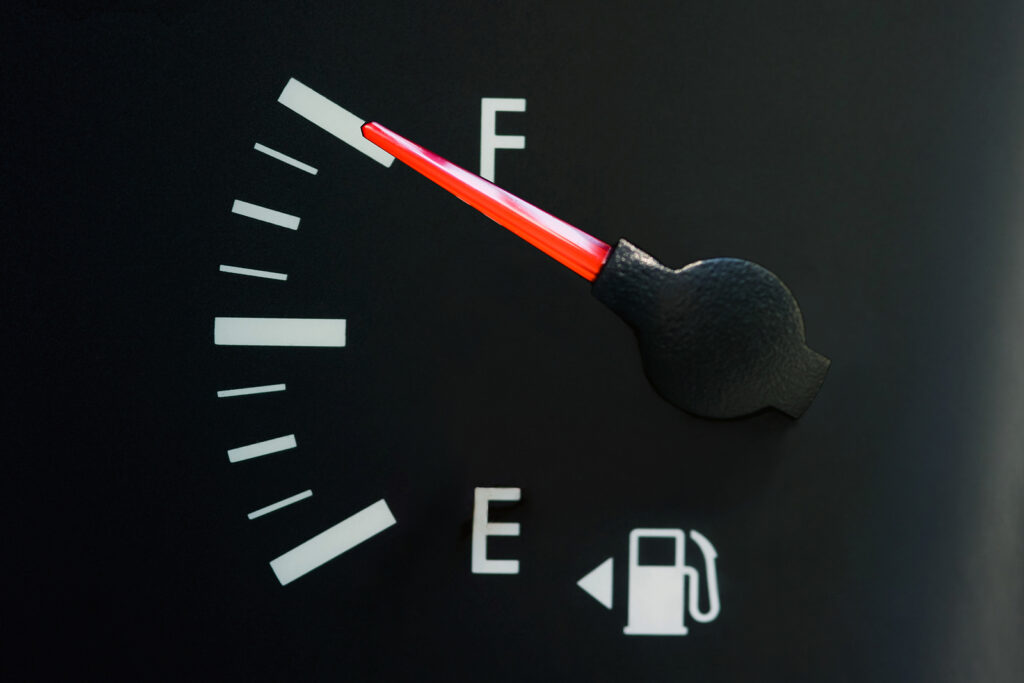
This Fuel Icon Indicates a Left-Side Gas Cap

The Frustrating Gas Cap Scenario

We’ve all been there before; whether you’ve just purchased a new vehicle, borrowing someone’s car, or driving a rental, at some point in your driving career you have surely pulled up to the gas station only to instantly remember you have no idea which side the gas. Fortunately, there is an instant hack on how to figure out which side the gas cap is located on a vehicle without even getting out of the car.

Gas Cap Locations are Labeled on the Dashboard

Okay, so you pull up to the gas station and you can’t remember which side the gas. There is an easy trick to figure this out without leaving your car seat. Simply take a look at the dashboard. Although the location can differ, the gas cap location is typically indicated in the fuel gauge.

You should see an arrow or dot next to the fuel tank icon on your dashboard. This is the side your gas cap is on.

Why Gas Cap Sides Can Be Different

You may notice that throughout your life, you’ve had cars with gas caps on the left side and on the right side. Why is this? Well, the location of the gas cap really depends on where the car comes from, namely which manufacturer produces the vehicle.

For instance, Japanese cars like Toyota and Mitsubishi typically place their gas caps on the left side of the vehicle. Japan a left-hand traffic country, so having the gas cap on the left side of the vehicle comes naturally to their culture. In countries with right side driving traffic, having the gas cap on the left side can be beneficial as well. Many car owners prefer the gas cap on the driver’s side.

Additionally, automakers will place gas caps on either side of the vehicle depending on how the vehicle is designed internally. Sometimes certain parts are larger or smaller, and the fuel tank fits better on the left side rather than the right side, or vice versa. In another example, domestic automakers like Chevy and Ford like to place their gas caps on the right side of the car.

Lastly, there are local, state, and federal legal requirements denoting the specifications of fuel tank location in a vehicle. Automakers must follow these regulations to ensure that the location of the fuel tank cannot cause foreseeable ignitions. This is why gas caps are never located in the back of the vehicle. In the case of the collision, it could cause the entire car to ignite into flames.

Do you have an old car truck that no longer serves a purpose in your life other than taking up valuable space in your garage? Contact GC’s Junk Cars at 502-804-5605 to sell your junk car in Louisville, Kentucky for cash on the spot! We provide free junk car removal!

Related Posts:

Funny Signs That Tell You It’s Time to Sell Your Junk Car
The Most Expensive Auto Repairs That Can Total Your Car
Car Wreck Insurance Myths to Beware Of

Louisville Junk Car Buyers 502-804-5605

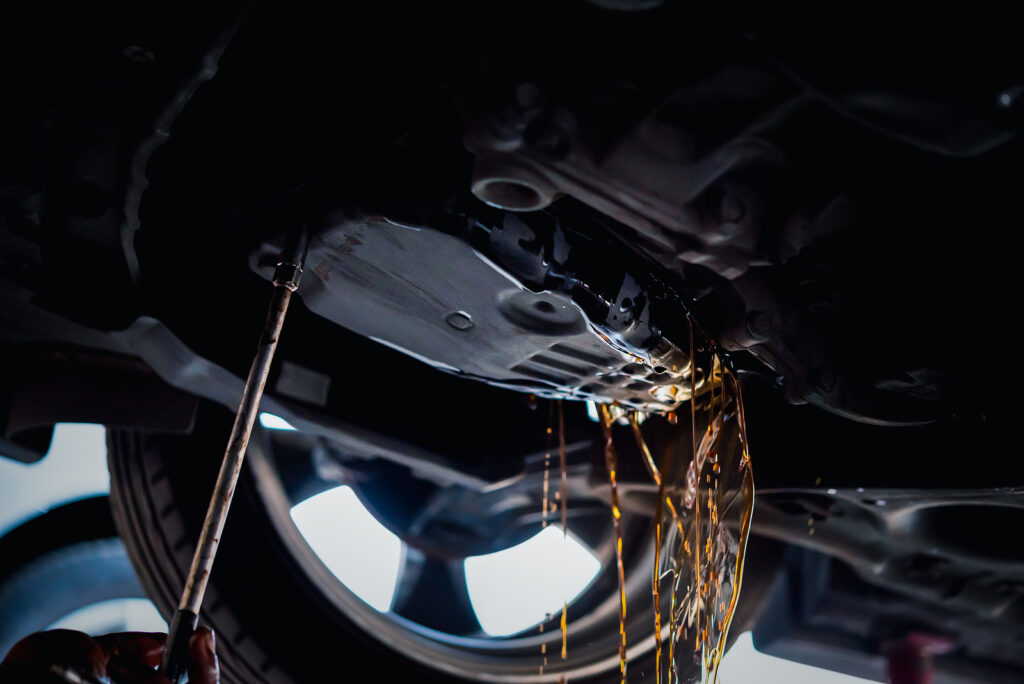
How to Tell if Your Car is Leaking Transmission Fluid

Transmission fluid is just one of the seven vital automotive fluids every vehicle needs in order to operate safely and efficiently. If you suspect that your vehicle is losing transmission fluid through a leak, it is important that you catch the leak early on and resolve it right away.

Continue reading to learn how to identify the common signs of a transmission leak, plus how to make back cash if your transmission breaks down.

Junk Car Lot Louisville KY 502-804-5605

The Importance of Transmission Fluid

Transmission fluid is vital for both manual and automatic transmission vehicles. For vehicles with manual gearboxes, this commonly burgundy but sometimes green fluid is responsible for lubricating all of the internal bearings, gears, and moving parts of a car engine, which prevents unwanted friction and grinding.

In vehicles with automatic transmissions, or self-shifting transmissions, the transmission fluid works to keep all moving parts and bearings properly lubricated. It also generates and assists with hydraulic pressure and friction, which allow all of the internal parts to perform, and even helps keep the transmission cool.

Identifying a Transmission Fluid Leak

Transmission fluid should be changed every 30,000 miles ((50,000 kilometers). By keeping up on routine maintenance, you can avoid transmission fluid leaks and additional mechanical problems. If your vehicle is leaking a mystery liquid, and you think it might be transmission fluid, here are some of the signs to look for that may prove your suspicions to be true:

Color

If the fluid leaking from your vehicle is brown or red in color, it could very well be transmission fluid. Although some transmission fluid is green, the majority of transmission fluid on the market is read. Over time, it may become darker and appear browner in color. The only other automotive fluids that might be green or red are windshield wiper fluid and coolant, but both solutions are much thinner in comparison to transmission fluid, having a watery-like viscosity.

Smell

You may be able to identify the mystery liquid leaking from your vehicle through touch and smell. Transmission fluid has an oil like consistency and may smell a bit like petroleum. Sometimes prior transmission fluid can smell burnt, which indicates that it’s time for to be changed.

Location

Try to identify where the leak is coming from. Typically, transmission fluid leaks occur near the front or midsection of the vehicle. If the leak coming from your car is located more towards the back, it could be a different kind of leak entirely.

Acceleration Power

When driving your vehicle, if you notice that it’s taking longer to accelerate, or you are having difficulty shifting, it could be that your vehicles losing transmission fluid. Transmission slipping is another common indication that you may be low on transmission fluid.

Has your transmission given up for good, but the cost to replace it exceeds your car’s current market price? No problem! Sell your junk car in Louisville for cash on the spot to GC’s Junk Cars! We pay cash on the spot and provide free junk car removal service with our own in-house tow truck!

Related Posts:

Current Scrap Prices for Catalytic Converters
The Most Expensive Auto Repairs That Can Total Your Car
A DIY Guide for Car Radiator Flushing

Louisville Junk Car Buyers 502-804-5605

Important Safe Driving Tips for Winter

Tomorrow is officially the first day of winter! Most of us cannot believe it’s already here, while the rest wonder what took so long! Whether you love the winter season or not, driving safety is a number one priority this time of year. Kentucky experiences a wide range of unpredictable and predictable winter climates, including rain, sleet, hail, ice, and of course, snow.

If you or your teen plan to be on the road this winter, be sure to review these important seasonal safe driving tips below!

Cash for Junk Cars Louisville Kentucky 502-804-5605

Driving and Road Safety Tips for Winter

Not only does winter weather pose a wide range of road and driving hazards, but it can also damage vehicles. For these reasons, it is important to review the top safety tips for driving in winter. Do this for yourself, then review them with your teen drivers too!

Stay Current on All Car Maintenance

All mechanics will tell you that the number one, most effective method of automotive protection is regular scheduled car maintenance. Like our own bodies, our cars need routine service to ensure all parts and systems are in good condition. You always want to catch a small problem early on, before it can become a devastatingly costly and invasive repair.

Routine car maintenance is an important factor when it comes to road and driving safety. A vehicle that is in good condition is dependable, and therefore, capable of keeping you and your passengers safer on the road. Be sure your car battery is charged up and that all automotive fluids are clean and topped off, too!

Avoid Fatigued Driving

Whether from medication, lack of sleep, stress, or substance, fatigued driving is one of the most dangerous kinds of driving. Never operate your vehicle if you are drowsy, sleepy, or otherwise distracted or un-alert, even if you are just driving down the street or a few minutes away. This driving safety tip is even more critical in the winter season when roads are more inclement and hazardous due to rain increased precipitation and poor visibility during the daytime.

Replace Your Windshield Wipers

If your windshield wipers are more than a season or two old, you might want to consider swapping them out for a new pair before the peak of the winter season is upon us. Not only are windshield wipers notorious for wearing down fast, but windshield wiper innovation has boosted dramatically in the past few years. Better technology means better protection against that precipitation and poor visibility we mentioned before. Don’t forget to replace the back window wipers, too.  

Invest in Good Tires

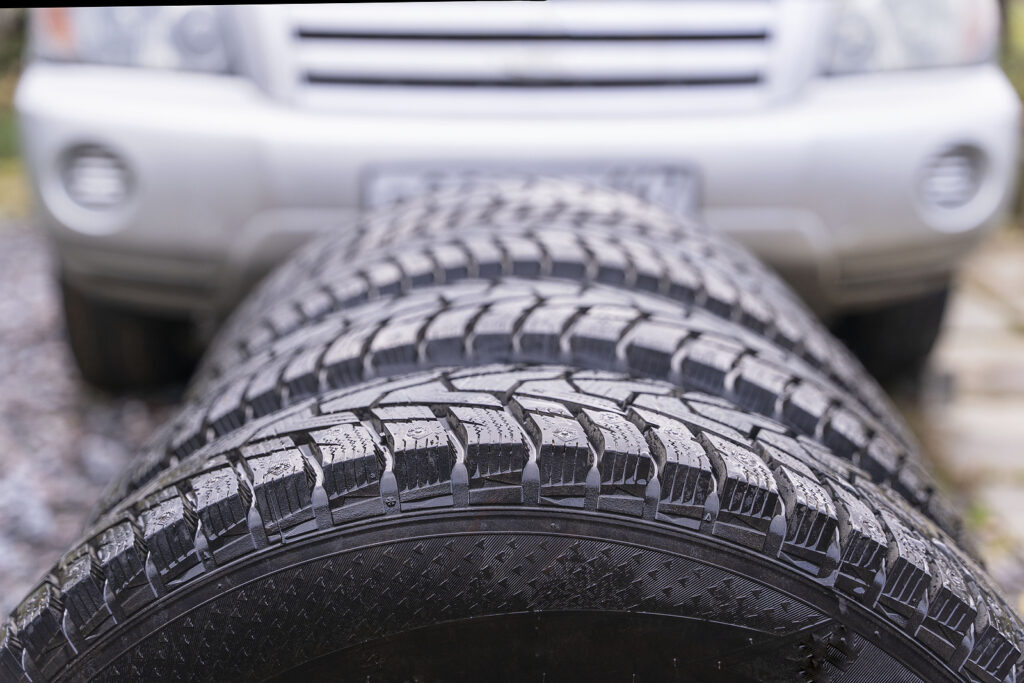
The better the tires, the more traction and protection you have on the road. If your car tire are old, now is the perfect time to invest in a great set. Like wipers, tire technologies continue to grow, so you cannot go wrong with new tires before the winter season. If you are not in a position to buy new car tire, just be sure that your current ones are properly inflated before hitting the road this winter.

Drive With a Full Tank of Gas

Although it’s not practical to keep your gas tank full at all times, you can do your best to always drive with a sufficient amount of fuel. You can even keep a reserve gas can in the trunk if you ever run out of fuel, unexpectedly.

Regardless of how well you take care of your car, time passes and accidents can happen. If your car didn’t survive the year for some reason or another, consider auto recycling services. Contact GC’s Junk Cars at 502-804-5605 to sell a junk car in Louisville, Kentucky for an instant cash payout. We provide free junk car removal too!

Related Posts:

A DIY Guide for Car Radiator Flushing
The Most Expensive Auto Repairs That Can Total Your Car
How to Safely Toss Out an Old Car Battery

Facts About Engine Sludge

Each year you have your vehicle, it incurs more and more wear and tear. Many types of wear and tear are imminent and cannot be controlled or avoided, but many others can. With regular scheduled car maintenance, you can protect your vehicle from excessive or premature automotive damages. If you neglect to take a car in for routine service, your vehicle can eventually experience serious mechanical malfunctions and breakdowns. One such result of poor car maintenance is engine sludge.

Continue reading to learn what you need to know about engine sludge, including where it comes from, why it’s harmful to a vehicle, and how to get rid of it responsibly.

Louisville KY Auto Salvage Yard 502-804-5605

Automotive Engine Sludge is a Serious Problem

Engine sludge is a destructive substance, and therefore a serious problem, as it can lead to several mechanical breakdowns and defects within the engine and other automotive systems within the vehicle. Even just a little sludge can eventually damage the engine and its inner components, overtime. For this reason, it is imperative to have engine sludge problems treated as soon as possible. The longer you wait, the more damage will result. If engine sludge is never dealt with, it can render a vehicle a total loss.

What You Need to Understand About Engine Sludge:

Engine Sludge is Formally Motor Oil

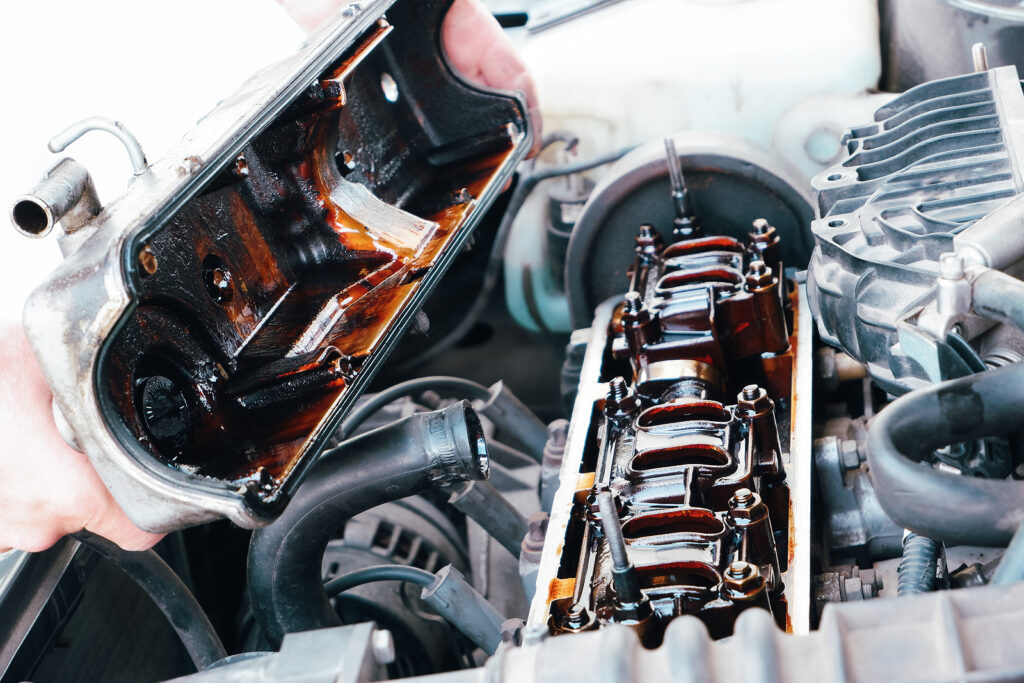
if you’re wondering where the engine sludge is coming from in your car engine, the answer is motor oil. Engine sludge comes from oil It is generated when oil is oxidized or contaminated. If you fail to get an oil change, engine sludge can begin to develop.

Oxidation, or as you know it, resting, naturally occurs to oil overtime. Although it is imminent, excessive oxidation can be abated with routine car maintenance and oil changes. It is important to keep your car oil clean to avoid engine sludge production.

Motor oil can become contaminated by the gasoline you put in your car. Overtime, contamination can lead to the development of engine sludge. Not only should you stay current on routine oil changes, but you should also use at top-quality motor oil to prevent engine sludge formation.

Engine Sludge Will Damage Your Motor

Engine sludge is a serious problem because it can cause major damage to your motor. When engine sludge is present in your engine, the lines are obstructed with gunk, therefore reducing the flow of motor oil through the engine. This can lead to excessive heat and friction, which can damage all components within the car engine. Engine sludge can cause ignition problems and overheating engines too.

Engine Sludge Can Only Be Repaired Professionally

If your car has shown signs of engine sludge development, it is important to take into a licensed mechanic and have it repaired. Only an automotive shop will have the proper resources and technologies to properly eliminate the engine sludge buildup within your motor, safely and without damaging any other components. They can also put you on a routine car maintenance schedule that will prevent engine sludge formation in the future.

Is your car totaled now because the engine had too much sludge in it? If so, contact GC’s Junk Cars at 502-804-5605 to sell your totaled car in Louisville Kentucky for cash on the spot. We provide free junk removal too!

Related Posts:

Is My Car Totaled if the Airbag Deploys?
How to Safely Toss Out an Old Car Battery
How to Prevent Major Engine Repair or Replacement

Louisville Junk Car Buyers 502-804-5605