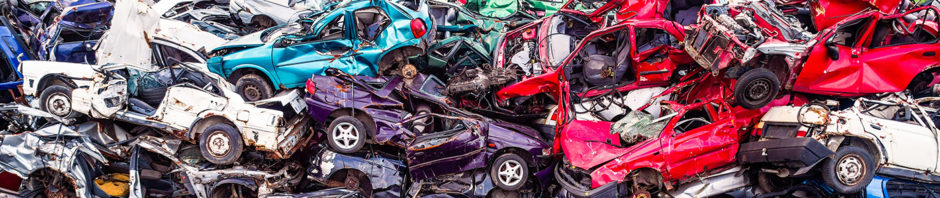
Is Your Car Totaled? Here’s How to Tell

A car accident or major breakdown are stressful experiences, and the aftermath can be just as confusing. One of the most significant questions you’ll face is whether your vehicle is repairable or if it’s considered “totaled.” This isn’t just about the physical damage; it’s a financial and legal determination that has major implications for you as a car owner.

Understanding this process is essential for navigating the insurance claim and making the best decision for your situation. This guide will walk you through what it means for a car to be totaled, how insurance companies make that call, and what your options are if it happens to you.
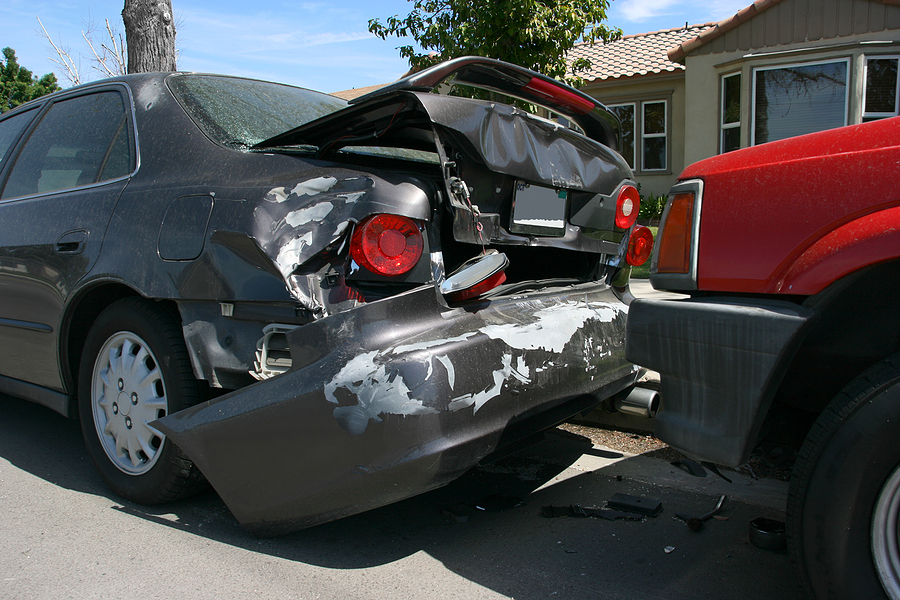
Call 502-804-5605 to Sell a Totaled Car in Louisville Kentucky

What Does “Totaled” Mean?

A car is declared a “total loss,” or totaled, when the cost to repair it to its pre-incident condition is higher than its actual cash value (ACV). Insurance companies and state laws have specific criteria for this determination, but the core principle is economical. If fixing the car costs more than the car is worth, it is no longer financially sensible to repair it.

Several factors contribute to this decision:

  • Cost of Repairs: This includes parts, labor, and any other expenses required to restore the vehicle.
  • Actual Cash Value (ACV): This is the market value of your car right before the accident occurred.
  • Salvage Value: This is the amount the insurance company can get by selling the damaged car to a salvage yard.

The decision isn’t based solely on whether the car is drivable. A vehicle with significant frame damage might look deceptively fine but could be structurally unsound and expensive to fix, leading to a total loss declaration. Conversely, a car with extensive cosmetic damage might be ugly but still safe and cheaper to repair than its total value.

How Insurance Companies Decide

When you file a claim, your insurance company will follow a structured process to determine if your car is a total loss. This involves calculating the vehicle’s value and estimating repair costs.

Total Loss Threshold

Every state has a “total loss threshold” (TLT), which is a percentage set by law. If the repair costs exceed this percentage of the car’s ACV, the insurance company must declare it a total loss. For example, if your state’s TLT is 75% and your car’s ACV is $10,000, it will be totaled if repair estimates exceed $7,500. Some states allow insurance companies to use their own formulas, but the principle remains the same. In Kentucky, the TLT is 75 percent.

Actual Cash Value (ACV)

The ACV is the cornerstone of the total loss calculation. It’s not what you paid for the car or what a new one would cost; it’s the market value of your vehicle just before the accident. To determine the ACV, insurance adjusters consider:

  • Make, model, and year: The basics of your vehicle.
  • Mileage: Lower mileage generally increases value.
  • Overall condition: This includes the interior, exterior, and mechanical state before the crash.
  • Recent sales: The adjuster will look at the sale prices of similar vehicles in your local area.
  • Special features: Any upgrades or customizations can also affect the value.

Repair Estimates

An insurance adjuster will inspect the damage to your vehicle or review estimates from certified repair shops. This estimate includes the cost of replacement parts and the hours of labor required. If this estimated cost surpasses the state’s TLT or the insurer’s internal threshold, the vehicle will be declared totaled.

Get a Free Junk Car Appraisal in Louisville Today!

What to Do If Your Car Is Totaled

Receiving news that your car is a total loss can be disheartening, but you have options. It’s important to understand your rights and the steps you can take.

  1. Review the Insurance Company’s Offer: The insurer will present you with a settlement offer based on their ACV calculation. Scrutinize this document. Ensure all the details about your car—trim level, features, and condition—are accurate.
  2. Negotiate the Settlement: If you believe the ACV is too low, you have the right to negotiate. Provide evidence to support your claim, such as listings for comparable vehicles in your area, records of recent upgrades, or a third-party appraisal.
  3. Decide on Your Next Steps: Once you agree on a settlement amount, you have two main choices:
  4. Accept the settlement: You sign over the title to the insurance company, and they give you a check for the agreed-upon ACV (less your deductible). You can then use this money to buy a new car.
  5. Keep the car: You can choose to keep your totaled vehicle. In this case, the insurance company will pay you the ACV minus your deductible and the car’s salvage value.

The Implications of Keeping a Totaled Car

Keeping a totaled vehicle might seem like a good way to get some extra cash, but it comes with significant strings attached.

Salvage Title

When you keep a totaled car, its title is rebranded as a “salvage title.” This permanently marks the vehicle as having been a total loss. To legally drive it again, you’ll need to have it repaired and pass a rigorous state inspection. If it passes, it will be issued a “rebuilt” title.

Safety and Resale Value

Even with a rebuilt title, the car’s history will be a red flag for future buyers. The resale value of a vehicle with a rebuilt title is drastically lower than one with a clean title. Furthermore, some insurance companies are hesitant to provide full coverage for rebuilt vehicles, and you may have trouble finding a willing insurer. There are also potential safety concerns, as even a certified repair might not restore the vehicle’s original structural integrity.

Repairable vs. Totaled: A Quick Comparison

How do you know if your car is likely to be repaired instead of totaled?

  • Repairable: Damage is often cosmetic or involves replaceable parts without compromising the frame or safety systems. The repair costs are well below the vehicle’s ACV and the state’s total loss threshold.
  • Totaled: Damage is severe, often affecting the frame, engine, or multiple major systems. Repair costs approach or exceed the car’s ACV. A common example is flood damage, which can ruin a car’s electronics and interior even if the body looks intact.

Repairing a damaged car allows you to keep a vehicle you’re familiar with, but you risk dealing with lingering mechanical issues. Accepting a total loss settlement gives you a clean break and funds for a new purchase, but it means going through the process of car shopping again.

Conclusion

Dealing with a badly damaged car is never easy. Understanding whether it’s repairable or a total loss empowers you to work effectively with your insurance company and make an informed decision. Always review your insurer’s assessment carefully, know your rights, and consider all your options before signing any paperwork.

If your car is totaled and you’re in the Louisville, Kentucky area, repairing it may not be your best option. Instead of dealing with the hassle of a salvage title, consider getting cash for your totaled car. GC’s Junk Cars offer a simple, fast way to turn your damaged vehicle into money you can use for your next purchase.

Contact Us Today to get a quote.

Related Post: Uncovering Value: The Silver Lining for Total Loss Cars in Indiana

Junk Car Value: Learn What Generates a Higher Auto Salvage Payout

When a car reaches the end of its life and repairs cost more than it’s worth, it’s time to consider selling it as a junk car. But if you’ve never done it before, you might be wondering, “How much is my junk car worth?” 

This guide is here to help you understand the key factors that affect junk car value, where to sell it, and how to maximize your return. By the end, you’ll have the knowledge and confidence to get the best price for your vehicle. 

Call 502-804-5605 to Get a Free Scrap Car Removal in Louisville Kentucky -- And Cash on the Spot!
Call 502-804-5605 to Get a Free Scrap Car Removal in Louisville Kentucky — And Cash on the Spot!

Factors Affecting Junk Car Value 

1. Metal Prices 

The value of a junk car heavily depends on scrap metal prices. Junk cars are often sold for their parts and weight in metal, such as steel and aluminum. These prices fluctuate depending on the global demand for metals. For example, when the construction or manufacturing industry booms, scrap metal becomes more valuable. 

Pro Tip: Research current scrap metal prices using online resources like ScrapMonster or contact local scrapyards like GC’s Junk Cars in Kentucky for updates. 

2. Vehicle Weight 

Since the majority of a junk car’s value comes from its metal content, heavier vehicles typically yield more money. SUVs, trucks, and older steel-heavy cars are generally worth more than smaller, lightweight sedans. 

3. Completeness of the Vehicle 

Does your junk car have all its parts? Cars missing engines, transmissions, or catalytic converters (one of the most valuable parts) fetch much lower prices. The more complete the vehicle, the higher the payout. 

4. Location 

Your location plays a big role in determining your junk car’s value. Areas with higher demand for scrap metal or limited competition among scrapyards may result in better offers. Conversely, if you’re far from a large auto scrap yard, transportation costs could reduce what you’re paid. 

How to Determine Your Junk Car’s Worth 

1. Research Metal Prices 

Knowing the current market rate for scrap metal gives you a baseline for what you can expect to earn. Many industry-related websites provide regional pricing updates. 

2. Assess Vehicle Condition 

Take note of your car’s make, model, year, mileage, and overall condition. Determine if the vehicle runs, has significant damage, or is missing critical components. This information will be crucial when obtaining quotes. 

3. Get Multiple Quotes 

Never settle for the first offer you receive. Contact local auto salvage yards and junk car buyers, like GC’s Junk Cars in Louisville. Compare offers based on price, convenience (e.g., free towing), and buyer reputation. 

Where to Sell Your Junk Car 

Local Auto Salvage Yard 

Local auto salvage yards are often the most straightforward option. They’ll pay you for the scrap metal and any usable parts. Many also offer free junk car removal, saving you the hassle of arranging transportation. 

Online Buyers 

There are online platforms that specialize in buying junk cars. While they may offer competitive prices, be cautious of scams. Verify the buyer’s credentials and ensure they’re licensed to purchase junk vehicles. 

Tips for Maximizing Your Junk Car’s Value 

  • Remove Personal Belongings – It might seem obvious, but don’t forget to check the glove compartment, trunk, and under the seats for personal items. 
  • Gather Vehicle Documentation – Having the car title ready makes the transaction smooth and legal. Buyers are unlikely to purchase a junk car without proof of ownership. 
  • Consider Selling Parts Separately – If you’re mechanically inclined, think about removing and selling valuable components like the catalytic converter, battery, or tires. This can significantly increase what you make overall. 
  • Clean the Vehicle – While it’s not essential, giving your car a quick wash can leave a positive impression and make it easier to evaluate its condition. 
  • Negotiate – Don’t accept the first offer! Politely negotiate to see if the buyer is willing to match or beat competing quotes. 

The Junk Car Selling Process 

Selling a junk car doesn’t have to be complicated. Here’s a step-by-step breakdown of what to expect: 

  1. Initial Assessment: Gather information about your car’s make, model, year, and condition. 
  2. Obtain Quotes: Reach out to multiple buyers, including local and online options. 
  3. Compare Offers: Evaluate quotes based on price, reputation, and additional services like free towing. 
  4. Accept an Offer: Choose the best deal and confirm the details with the buyer. 
  5. Transfer Title: Complete paperwork to legally transfer ownership to the buyer. 
  6. Vehicle Removal: Arrange for the buyer to pick up the car, often for free. 
  7. Receive Payment: Get paid, typically via cash or electronic transfer on the spot. 

Why Sell to GC’s Junk Cars in Louisville, Kentucky? 

If you’re looking for a trusted junk car buyer, GC’s Junk Cars in Louisville is a great option. They offer competitive pricing, free towing, and a hassle-free selling process tailored to customers in the area. 

Take Action Today 

Selling your car doesn’t have to be a daunting process. By following the steps outlined above, you can ensure a smooth and successful transaction while getting the best possible value for your vehicle. Remember to do your research, stay organized, and prioritize clear communication with buyers.

Whether you’re upgrading to a new car, reducing expenses, or simply no longer need your vehicle, taking the time to approach the sale methodically can make all the difference. With the right preparation, you’ll turn your unwanted car into cash quickly and hassle-free.

Start the process today and turn that old clunker into cash!  Contact GC’s Junk Cars today for a quick, hassle-free way to turn your old car into cash. We offer free junk car removal, plus pay cash on the spot.

Talk to a Junk Car Buyer Now

Related Post: Understanding the Scrap Metal Market and Your Junk Car’s Worth

Scrap Your Classic Car for Top Dollar in Louisville

Classic cars and rare vehicles hold a unique charm, often tied to rich histories and fond memories. However, when the time comes to part ways, whether due to irreparable damage or simply an upgrade, the question arises—how much is my classic or rare car worth as scrap? Understanding the scrap value of classic or rare vehicles, such as a Ford Thunderbird or Chevrolet 3100, involves more than simple calculations. It requires examining the car’s condition, materials, rarity, and market factors.

This guide will help car collectors, classic car enthusiasts, and junk car owners estimate scrap prices for their older vehicles and understand the key variables that play a role in determining these values.

Call 502-804-5605 to Get a Free Quote From Our Classic Car Buyers in Louisville Kentucky

Factors Affecting Scrap Prices of Older Models

Understanding the factors that impact the scrap price of a vehicle is the first step to determining its value. Here’s what influences the scrap price:

Metal Prices

The scrap value of a car heavily depends on the market price of the metals within it. Classic cars often contain materials such as steel, aluminum, copper, platinum, palladium, and rhodium. Current estimated prices include:

  • Steel: $100–$300 per ton 
  • Aluminum: $0.40–$0.70 per pound 
  • Copper: $2.50–$4.00 per pound 
  • Platinum: $900–$1100 per ounce 
  • Palladium: $1500–$1800 per ounce 
  • Rhodium: $4000–$6000 per ounce 
  • Lead: $0.70–$1.00 per pound 

The weight of the car and the amount of recoverable metal will significantly impact its scrap price. Older models like Camaros or VW Beetles often contain heavier steel components compared to modern lightweight designs.

Vehicle Condition

The condition of the car matters. Even if the vehicle is no longer operational, the presence of intact parts or functioning components (like the engine or transmission) can add value. Missing or severely damaged parts will lower the overall price.

Rarity

The rarity of the vehicle also factors in. Limited or rare editions like a Chevrolet El Camino or Corvette could command higher prices, especially if salvageable parts have resale potential in niche collector markets.

Age and Collectibility

The perceived value of a classic car isn’t always tied to its scrap metal. For example, a Ford Thunderbird might fetch a better price on the collector’s market than as scrap. Similarly, an older model Camaro with historical significance may interest collectors more than recyclers.

Auto Salvage Yard or Buyer

Different scrap car buyers or auto salvage yards offer variable quotes depending on their specialty. Some, like GC’s Junk Cars in Louisville, have in-house operations that specialize in automotive recycling and scrapping, potentially offering better prices.

Local Demand and Environmental Regulations

The local demand for scrap and regional environmental regulations can impact pricing. Compliance with such regulations is crucial, as failing to adhere to disposal laws may result in fines.

How to Estimate the Scrap Price for Classic Cars

Estimating the scrap price for any classic car, whether it’s a vintage VW Beetle or a Chevrolet 3100 truck, requires strategic steps. Here’s a breakdown:

Step 1. Research Historical Data

Research past sales data and average scrap prices for similar vehicles. Platforms like Kelley Blue Book (KBB) or collector car auction results can offer helpful benchmarks.

Step 2. Assess Your Car’s Composition

Determine the weight and types of metals in your car. Heavier vehicles with significant steel components, like the Chevrolet 3100, will generally fetch higher scrap prices compared to lighter models. Estimate the total value based on the current metal prices provided above.

Step 3. Get Multiple Quotes

Reach out to various auto salvage yards and scrap car buyers in Louisville, such as GC’s Junk Cars, for quotes. Provide detailed information on your car’s condition, weight, and salvable parts for a more accurate estimate. Some may offer additional cash for specific working components.

Step 4. Consider Salvageable Parts

If your classic car has parts like an engine, transmission, or rare trim pieces intact, their resale potential could increase the valuation. Research whether collectors or restoration shops may be willing to pay for these components separately.

Step 5. Use Online Tools

Take advantage of online scrap valuation tools to generate an estimate. Tools like CarBrain or ScrapMyCar can provide ballpark figures once you input details like the make, model, and condition.

Step 6. Consult Experts

Consult a professional appraiser or join classic car enthusiast forums to seek advice from experienced collectors who might have sold similar models. They can provide insights into whether the car’s value is higher as collectible or scrap.

Contact Us for a Junk Car Estimate

Special Considerations for Rare Vehicles

Rare vehicles, such as limited-production models or discontinued series, come with unique considerations when estimating scrap prices. While the scrap metal value contributes a foundational price, collectibility often boosts the overall worth.

Understanding Collectible Value 

Some rare vehicles, like a Corvette Stingray or an El Camino SS, might have components fetching thousands of dollars due to their scarcity. For these, it’s vital to:

Assess demand in the collector’s market.

Check online platforms like Hemmings or Bring a Trailer to identify potential buyers for rare parts or the car as a whole.

Beyond Scrap Metal 

For rare vehicles, the sentimental value and historical significance might outweigh their pure scrap value. If you’re unsure whether to scrap or sell as a collectible, get advice from local classic car clubs or specialized dealers.

Appraisal 

Professional appraisals are crucial for rare vehicles. Certified appraisers can provide the vehicle’s actual cash value (ACV) or even its fair market value (FMV), offering a clear perspective on whether scrapping is the best option.

Legal Considerations 

Ensure compliance with all local and federal regulations when scrapping rare cars, especially if it contains hazardous materials like lead-based paints often used in classic models.

Helpful Resources for Scrap Price Estimation 

For more precise estimations, rely on these tools and experts:

Websites and Resources:

  • Kelley Blue Book (KBB) 
  • Edmunds 
  • CarBrain 
  • ScrapMonster

Specialists:

Making Your Classic Car Decision Easier 

Parting ways with a beloved classic car or rare vehicle requires careful thought. Whether it’s the iconic curves of a Ford Thunderbird or the nostalgic appeal of a VW Beetle, your car is worth more than just its materials. Take the time to evaluate its scrap price, potential as a collectible, and condition before making your choice.

Want a professional opinion? Get a free valuation today by contacting GC’s Junk Cars in Louisville, Kentucky. We offer free towing and pay cash on the spot.

Call Now for a Free Offer!

Related Post: Understanding the Scrap Metal Market and Your Junk Car’s Worth

How Much Can I Get for My Junk Car?

Do you have an old, damaged car taking up valuable space in your driveway? Maybe it’s been sitting there for months, or even years, and you’re left wondering, “How much is my junk car really worth?” You’re not alone. Many vehicle owners face the same dilemma and may not realize that even a car that no longer runs has value. From scrap metal prices to specific buyers actively looking for junk cars, there are various factors that can influence how much cash you can get for your vehicle. 

If you’re looking to sell your junk car but don’t know where to start, this guide will walk you through everything you need to know, including the factors that affect your car’s worth, where to find buyers, and what steps to take before selling. By the end, you’ll be ready to turn that piece of clutter into cold, hard cash.

Call 502-804-5605 to Get in Touch With a Local Junk Car Buyer in Louisville KY

Factors Affecting the Value of Junk Cars

Selling a junk car isn’t as simple as naming a price. Several aspects determine its worth. Here are the most significant factors that influence junk car value:

Year, Make, and Model 

The year, make, and model of your car play a crucial role in determining its value. Some vehicle brands or models may have higher demand, even as junk cars, due to the resale value of specific parts. For instance, a popular model like a Toyota Corolla might be worth more than a less common vehicle because its parts are easier to sell and replace. Additionally, newer vehicles tend to fetch higher prices compared to older models, as their components often suffer from less wear and tear. 

Pro Tip: If you own a hybrid or electric car, its specialized components, like batteries, can be more valuable than in traditional internal combustion engine vehicles.

Condition and Completeness 

The condition of your vehicle affects its price significantly. Cars that still have functioning parts, such as the engine or transmission, will typically bring more money than those that are stripped of key components. Similarly, a complete junk car—including an intact chassis, tires, and all critical parts—is worth more than a vehicle missing these elements. 

Even smaller details, like headlights, mirrors, and windows, can influence the overall value. If your car is essentially a shell, it may be priced solely for its scrap value.

Scrap Metal Prices 

The value of your junk car isn’t entirely tied to its brand or functionality; its weight in scrap metal also matters. Scrap car prices fluctuate based on global and local markets, influenced by the supply and demand for materials like steel, aluminum, and copper. When scrap metal prices are high, you’re likely to get a better price for your junk car. 

Market Insight: Monitoring local scrap metal prices can give you an idea of when to sell your car for maximum return. Junkyards and auto salvage yards are often transparent about the current price per ton for scrap offers.

Location 

Where you’re located can also have a big impact on the price of your junk car. Urban areas tend to have higher demand for junk vehicles compared to rural areas, where fewer buyers may be available. Additionally, transportation or towing costs are often a factor in offers. Some junk car buyers include free towing in their services, while others may deduct towing costs from your payout. Look for “junk car removal” companies in your area that offer complimentary towing. 

Finding Potential Scrap Car Buyers 

Once you’ve assessed the value of your junk car, the next step is finding the right buyer. Different types of scrap car buyers and auto salvage yards offer varying benefits, so consider the following options carefully. 

Local Junkyards

Auto salvage yards or junkyards are the go-to place for many people eager to offload their damaged vehicles. They typically purchase your car for its scrap metal value or spare parts. However, it’s advisable to contact multiple junkyards in your area to compare quotes. 

Tip: Make sure the junkyard provides a straightforward breakdown of how they assess offers to avoid any misunderstandings. 

Sell Your Junk Car Now!

Online Junk Car Buyers 

Online platforms and services specializing in junk car purchases make selling easier. They often provide instant quotes and even include free towing in their deals. Services like these are particularly convenient if you want to avoid the hassle of visiting junkyards and negotiating complicated pricing. 

Online buyers also cater to a wide range of vehicles, whether you want to sell a damaged car, a flood-damaged car, or even a car that doesn’t start. 

Private Buyers 

Occasionally, you might find an individual looking to buy a junk car for parts or a project. While this option may net you more money than junkyards or online buyers, it requires additional effort, such as advertising through local classified ads or social media platforms. 

Preparing Your Vehicle for Sale 

Before closing the deal, take a few final steps to ensure a smooth transaction and, most importantly, maximize your payout. 

1. Remove Personal Belongings 

It may sound obvious, but people often overlook personal belongings left in their cars. Check every nook and cranny, from the glove compartment to under the seats and trunk, to retrieve your items. Do not forget to remove your plates (front and back) and cancel the registration. Remember, once the vehicle is sold, you might not have access to it again.

2. Gather Necessary Documents 

Having proper documentation makes the selling process more seamless. The title of the vehicle is essential for legitimizing the sale and transferring ownership. If you’ve misplaced your car’s title, check with your state’s Department of Motor Vehicles (DMV) for replacement options. Some buyers may also ask for proof of identity or registration, so have these documents ready as well. 

Tip: Certain states allow you to sell your junk car without a title, but it’s always best to clarify this with the buyer before proceeding. 

Conclusion

Selling your junk car doesn’t have to be complicated. Understanding the factors that influence its value, researching your buyer options, and preparing your vehicle for sale are crucial steps in ensuring you get the best deal possible. Whether you decide to go through local junkyards, online buyers, or private sellers, there’s always an opportunity to make the process efficient and rewarding. 

If you’re ready to find out how much your junk car is worth, why wait? Get a quote today from GC’s Junk Cars and turn that unused vehicle into real cash!  We offer free towing!

Sell Your Junk Car Today!

Related Post: Understanding the Value of a Junk Car: A Seller’s Guide