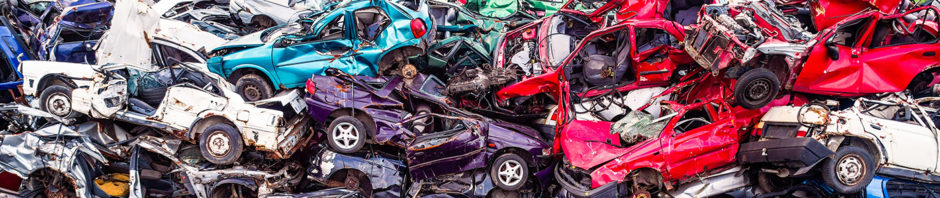
Is that rusty eyesore actually a goldmine?
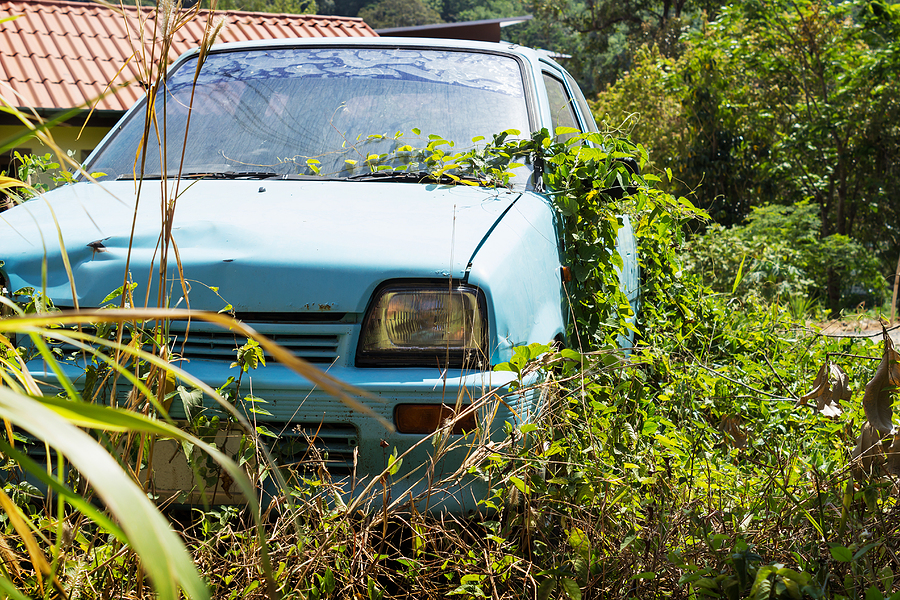
Staring at an old vehicle collecting dust in your driveway can be a source of constant frustration. It’s an eyesore that takes up valuable space, often becoming a home for pests or a target for neighborhood complaints. You might see a rusted heap of metal that stopped running years ago, viewing it as a liability you might have to pay someone to haul away.
But what if you shifted your perspective? Beneath the faded paint and flat tires lies a complex machine built from some of the most sought-after materials on the planet. To the trained eye of a scrap yard professional, your “junk” car is actually a treasure chest of reusable parts and precious metals.
Understanding the true value of end-of-life vehicles can turn a stressful burden into a profitable opportunity. By recognizing what recyclers are actually looking for, you can navigate the selling process with confidence, ensuring you get a fair price while contributing to a massive, eco-friendly industry.
Dispelling the Myths About “Worthless” Cars
One of the biggest barriers to selling a junk car is the belief that it has zero value. Many owners assume that because a car doesn’t start, has a blown transmission, or was totaled in an accident, it is effectively trash. This couldn’t be further from the truth.
The automotive recycling industry doesn’t buy cars to drive them; they buy them to deconstruct them. The value lies in the raw materials and the functional components that can be harvested. Another common misconception is that you will have to pay for towing. In reality, reputable buyers will almost always handle the logistics of removal for free because the inventory you are providing is valuable to their business model.
What Scrap Yards are Really Buying
When a recycler looks at your vehicle, they aren’t seeing a Honda or a Ford; they are seeing an inventory of commodities. Here is a breakdown of the specific components that drive the price of a junk car.
The Heavy Metals: Steel and Aluminum
The bulk of your vehicle’s weight comes from steel and iron. According to the Automotive Recyclers Association (ARA), approximately 86% of a vehicle’s material content is recycled, reused, or used for energy recovery. The steel frame constitutes a significant portion of scrap value. Additionally, aluminum—often found in engine blocks, cylinder heads, and rims—commands a higher price per pound than steel. Even a car stripped of all its parts still holds value based purely on its weight in scrap metal.
The Hidden Treasure: Catalytic converters
You have likely heard about the surge in catalytic converter thefts. This is because these emission-control devices contain small but significant amounts of Platinum Group Metals (PGMs)—specifically platinum, palladium, and rhodium.
While a typical converter might only hold 3 to 7 grams of platinum, the market value for these metals is incredibly high. Scrap yards and recyclers can recover these metals through specialized processing. The presence of an original equipment manufacturer (OEM) catalytic converter can significantly boost the quote you receive for your junk car.
Lead-Acid Batteries
Car batteries are a recycling success story. According to the Environmental Protection Agency (EPA) and Battery Council International, lead-acid batteries have a recycling rate of approximately 99%. Almost every component of the battery, from the lead grid to the plastic casing and sulfuric acid, can be processed and reused to manufacture new batteries. Because of this closed-loop system, scrap yards will always place value on the battery sitting under your hood.
Functional Parts and Electronics
Just because a car doesn’t run doesn’t mean every part is broken. Alternators, starters, GPS systems, and entertainment consoles often have resale value. If the body panels are free of rust and dents, they can be sold to repair shops looking for cheaper alternatives to new parts.
Request a Free Junk Car Offer in Louisville Now ☑
Preparing Your Vehicle for the Best Offer
While scrap yards buy cars in “as-is” condition, a little preparation can ensure the transaction goes smoothly and safely.
- Remove personal belongings: It sounds obvious, but checks, important documents, and sentimental items often get left in glove boxes and under seats. Once the car is crushed, those items are gone forever.
- Clear the title: While some states and yards have procedures for buying cars without titles, having a clear title in hand significantly simplifies the process and proves ownership, often resulting in a faster sale.
- Use up the fuel: If the car still runs, try to use up the gas in the tank. If it doesn’t run, don’t worry about siphoning it out unless the yard specifically requests it—handling gasoline can be dangerous.
- Remove license plates: Remove both front and back plates. You will likely need these to cancel your registration or insurance too.
How to Spot a Reputable Junk Car Buyer
Not all scrap buyers operate with the same level of integrity. To ensure you aren’t being taken advantage of, look for transparency. A reputable Louisville auto scrap yard will ask specific questions about the make, model, year, and condition of the vehicle before giving you a quote.
Be wary of “bait and switch” tactics where a buyer gives you a high quote over the phone but tries to lower the price once the tow truck arrives. Verify that the company is licensed and insured. A professional operation will value your time, offer a guaranteed quote, and handle the paperwork legally and efficiently.
The Environmental Impact of Scrapping a Car
Selling your junk car isn’t just a financial decision; it is an environmental act. Automotive recycling plays a critical role in conservation.
Using recycled scrap iron and steel reduces the need to mine new iron ore. The ARA notes that every ton of new steel made from scrap conserves 2,500 pounds of iron ore and 1,400 pounds of coal. Furthermore, professional recycling ensures that hazardous fluids—like oil, coolant, and transmission fluid—are drained and disposed of properly, rather than leaking into the soil in your driveway or a landfill.
In Summary
It is easy to let an old car sit and deteriorate because dealing with it feels like a hassle. However, recognizing the intrinsic value of the metals and components inside can be the motivation you need to finally let go. You clear your space, put extra cash in your pocket, and contribute to a cleaner environment.
If you are looking to get top dollar for your vehicle without the headache of negotiating or arranging transport, we are here to help. For residents in Cincinnati, Ohio, and the surrounding areas, we offer transparent pricing and instant payment.
Ready to reclaim your driveway or garage? Contact our team today for a free quote and complimentary junk car removal service and cash for junk cars in Louisville, Kentucky.
Related Post: Cash for Clunkers: Get Maximum Value for Your Junk Car