Dashboard Warning Lights: Your Complete Guide

It happens to the best of us. You’re driving along, singing to the radio, when suddenly a symbol illuminates on your dashboard. Your stomach drops. Is it serious? Can you make it home, or do you need to pull over immediately?

Modern vehicles are equipped with complex sensors that monitor everything from tire pressure to engine combustion. When something isn’t right, your car tries to communicate with you through these dashboard symbols. While it feels stressful, these lights are actually helpful tools designed to keep you safe and prevent expensive repairs.

Ignoring these signals can lead to catastrophic failure, but understanding them gives you the power to make smart decisions. This guide breaks down the most common warning lights, decoding the cryptic symbols so you can drive with confidence and peace of mind.

TL;DR and Key Takeaways:

If you are in a rush, here is the quick summary of what you need to know about dashboard symbols:

  • Color Matters: Red means stop immediately; yellow means caution/check soon; green or blue means a system is active.
  • Check Engine: This can range from a loose gas cap to a serious engine misfire. Do not ignore it.
  • Oil & Brakes: These are critical safety warnings. If these lights turn red, pull over safely and call for help.
  • Don’t Panic: Most yellow lights allow you to drive to a mechanic, but red lights usually require a tow.

Table of Contents:

  1. What Do Dashboard Light Colors Mean?
  2. Why is My Check Engine Light On?
  3. What Does the Oil Pressure Light Indicate?
  4. Is Your Brake System Warning Light Glowing?
  5. Why is the Battery Alert Light Flashing?
  6. Frequently Asked Questions
  7. Quick Recap
  8. Turn Your Old Car Into Cash
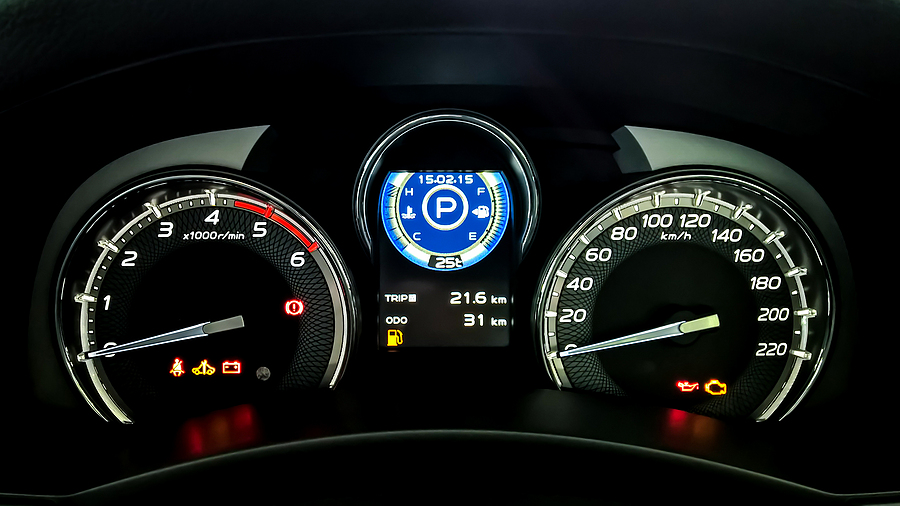
Warning Lights on a Car Dashboard

What Do Dashboard Light Colors Mean?

The first step in diagnosing a dashboard light is simply looking at the color. Automakers follow a traffic light logic that is universal across most brands.

Green or Blue: Systems Active

These are not trouble lights. They simply indicate that a system is currently on and working. Common examples include your headlights, high beams, or cruise control. You can keep driving normally.

Yellow or Orange: Caution Required

A yellow or orange light indicates that a non-critical component needs attention. Your car is still safe to drive, but you should inspect the vehicle or schedule an appointment with a mechanic soon. Ignoring a yellow light often leads to a red light later.

Red: Stop Immediately

A red light indicates a severe safety issue or a critical mechanical failure. Driving with a red warning light can destroy your engine or put your life at risk. If you see red, pull over safely and turn off the engine.

Why is My Check Engine Light On?

Your vehicle’s onboard computer has detected a problem with the engine or emissions system. The “Check Engine” light (often shaped like a stylized engine block) is the most ambiguous symbol on the dash. It connects to the On-Board Diagnostics (OBD) system and can be triggered by hundreds of different error codes.

One of the most common—and easiest—fixes is a loose gas cap. If the cap isn’t tightened until it clicks, the system detects a vapor leak and triggers the light. However, other common culprits include:

  • Oxygen Sensor Failure: This sensor measures unburned oxygen in your exhaust. If it fails, your gas mileage will drop.
  • Catalytic Converter Issues: This is an expensive car part that reduces exhaust gases. It often fails if other maintenance issues are ignored.
  • Spark Plug/Ignition Coil Issues: If your engine feels like it is stuttering or “misfiring,” this is likely the cause.

If this light is steady yellow, you can drive to a shop. If it is flashing red, stop driving immediately to avoid permanent engine damage.

What Does the Oil Pressure Light Indicate?

Your engine has lost oil pressure, meaning internal components are not being lubricated properly. This is arguably the most dangerous light for your car’s health. It usually looks like an old-fashioned oil can with a drop leaking from the spout. Without proper oil pressure, metal parts inside your engine grind against each other, creating massive friction and heat.

If this light comes on, it could mean your oil level is critically low, or it could mean the oil pump has failed. Do not try to drive to the nearest service station. Pull over immediately and check your oil dipstick. If the oil is full but the light stays on, call a tow truck. Running the engine for even a few minutes with this light on can result in total engine seizure.

Is Your Brake System Warning Light Glowing?

Your parking brake is engaged, your brake fluid is low, or there is a malfunction in the braking system. Seeing a red exclamation mark inside a circle (or the word BRAKE) can be alarming. First, check the obvious: is your handbrake or parking brake engaged? Even if it is only slightly up, the light will trigger.

If the parking brake is off and the light remains, check your brake fluid reservoir. Low fluid often indicates worn-out brake pads or a leak in the hydraulic lines. If the pedal feels “spongy” or sinks to the floor, do not drive the car. Your ability to stop is compromised.

Why is the Battery Alert Light Flashing?

The vehicle is running only on battery power because the charging system (alternator) is not working. Many drivers assume this symbol (a rectangle with plus and minus signs) means they need a new battery. While that is possible, it usually indicates that the alternator—the part responsible for charging the battery while you drive—has failed or a drive belt has broken.

Your car will continue to run for a short time on the remaining energy stored in the battery, but once that drains, the engine will die and will not restart. Turn off all non-essential electronics (radio, A/C, heated seats) and drive immediately to the nearest repair shop.

Frequently Asked Questions

What does the TPMS light mean?

The Tire Pressure Monitoring System (TPMS) light looks like a horseshoe with an exclamation point. It means one or more of your tires is significantly under-inflated (or over-inflated). Check your tire pressure as soon as possible to prevent a blowout.

Why is the “Traction Control” light on?

This usually looks like a car with squiggly lines behind it. If it flashes while you are driving on rain or snow, it means the system is working and helping you maintain grip. If it stays on constantly, the system may have a malfunction or has been manually turned off.

What is the ABS light?

The Anti-lock Braking System (ABS) prevents your wheels from locking up during a panic stop. If the ABS light is on, your normal brakes will still work, but the anti-lock safety feature is disabled. You should get it checked, especially before winter driving.

Quick Recap:

  • Green/Blue: System active (All good).
  • Yellow: Caution (Check soon).
  • Red: Danger (Stop now).
  • Check Engine: Emissions or engine trouble (Check gas cap first).
  • Oil Can: Low oil pressure (Stop engine immediately).
  • Battery: Charging system failure (Go to shop immediately).
  • Brake Light: Parking brake on or fluid low.

Turn Your Old Car into Cash

Sometimes, a dashboard lighting up like a Christmas tree is a sign that your vehicle has reached the end of the road. If the cost of repairs exceeds the value of the car, it might be time to let it go.

Don’t let a breakdown ruin your day or your bank account. If you are dealing with constant mechanical issues or a car that just won’t start, we can help. We offer fast, hassle-free junk car removal in Louisville. We will pick up your vehicle and pay you cash on the spot, regardless of its condition.

Get Cash for Your Car in Louisville Today

Related Post: Decoding the Mystery of the Check Engine Light
Why Your Car Keeps Overheating and What to Do About It

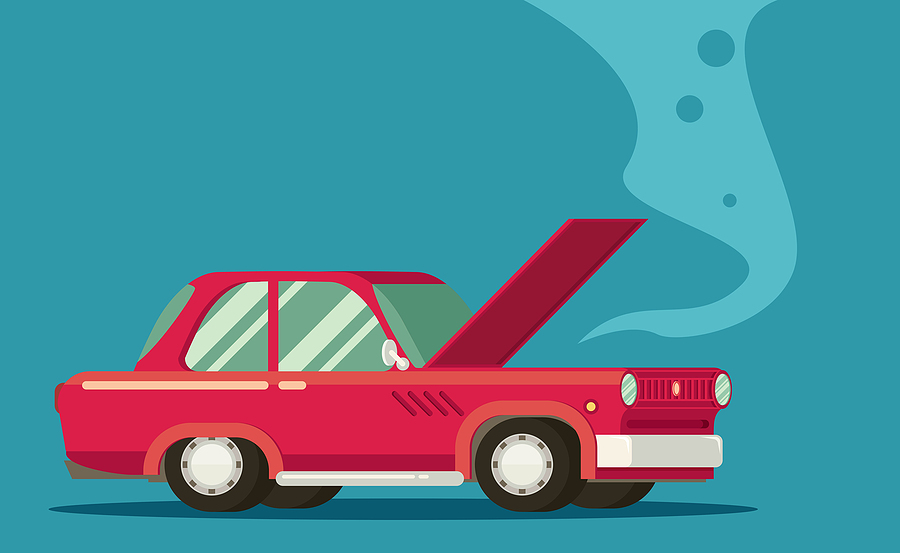
Watching the temperature gauge on your dashboard creep into the red zone is a stressful experience for any driver. It’s even more frustrating when the problem persists despite your best efforts to fix it. An engine that overheats time and time again isn’t just a minor inconvenience; it’s a symptom of an underlying issue that could lead to catastrophic engine failure if left unaddressed.

Engines operate within a specific temperature range to function efficiently. When they exceed this range, parts can warp, melt, or seize, potentially turning your vehicle into a stationary lawn ornament. Understanding why your engine struggles to keep its cool is the first step toward solving the problem and saving your wallet from extensive repair bills.

This guide will walk you through the most frequent culprits behind chronic overheating, help you identify less obvious issues, and explain when it might be time to cut your losses.

Call 502-804-5605 to Get  Junk Car Cash Offer in Louisville Kentucky
Call 502-804-5605 to Get Junk Car Cash Offer in Louisville Kentucky

The Usual Suspects: Common Causes of Overheating

Before panicking about major engine surgery, it’s worth investigating the most frequent reasons why cooling systems fail. These components are responsible for the vast majority of temperature spikes.

Low or Leaking Coolant

Coolant (or antifreeze) is the lifeblood of your engine’s cooling system. It circulates through the engine block, absorbing heat and transferring it to the radiator. If your coolant levels are low, there isn’t enough fluid to effectively manage the heat. This often happens due to leaks in hoses, the radiator, or the water pump. A simple check of the reservoir level can confirm if this is the issue, but finding the source of a leak may require a closer look.

A Faulty Thermostat

The thermostat is a small valve that regulates the flow of coolant. When the engine is cold, it stays closed to help the engine warm up quickly. Once the engine reaches operating temperature, it opens to let coolant flow to the radiator. If the thermostat gets stuck in the closed position, coolant stays trapped in the engine block, causing temperatures to skyrocket rapidly.

Radiator Issues

The radiator acts as a heat exchanger, using airflow to cool the hot fluid coming from the engine. Over time, radiators can become clogged with rust or mineral deposits, restricting the flow of coolant. Additionally, the exterior fins can get blocked by leaves, bugs, or road debris, preventing air from passing through and cooling the fluid.

Broken Cooling Fan

Your car relies on a cooling fan to pull air through the radiator, especially when the vehicle is idling or moving slowly in traffic. If the fan motor burns out or the relay switch fails, the radiator can’t dissipate heat effectively when the car isn’t generating its own airflow from driving at highway speeds.

Digging Deeper: Less Obvious Reasons

If you’ve checked the basics and the temperature gauge is still climbing, the problem might be hiding deeper within the engine. These issues are often more complex and expensive to fix.

Water Pump Failure

The water pump is the heart of the cooling system, pushing fluid through the engine and radiator. If the impeller inside the pump breaks or the bearing seizes, circulation stops. Without circulation, the coolant in the engine boils while the coolant in the radiator stays cold. This can often be diagnosed by listening for a high-pitched whining noise coming from the front of the engine or checking for coolant leaking from the pump itself.

Head Gasket Failure

This is the diagnosis every car owner dreads. The head gasket seals the engine block to the cylinder head, keeping coolant, oil, and combustion gases separate. If this gasket “blows,” coolant can leak into the combustion chambers or oil can mix with the coolant. Symptoms include white exhaust smoke, “milky” oil, and bubbles appearing in the radiator reservoir. A blown head gasket almost always leads to severe overheating and requires major engine repair.

Blocked Heater Core

While primarily used to warm the cabin, the heater core is part of the cooling loop. If it becomes clogged with sediment, it can restrict overall coolant flow, contributing to higher engine temperatures. You might notice this if your car overheats and the heater blows cold air instead of hot.

Totaled Car? Get an Offer Right Now

Simple DIY Checks You Can Perform

You don’t always need a mechanic to start diagnosing the problem. Here are a few safe checks you can perform at home—only when the engine is completely cool.

  • Check the Coolant Level: Locate the translucent plastic reservoir under the hood. The fluid should be between the “Min” and “Max” lines.
  • Inspect the Hoses: Squeeze the upper and lower radiator hoses. They should feel firm but pliable, not rock-hard or spongy. Look for cracks, bulges, or dried coolant stains near the clamps.
  • Check for Obstructions: Look at the front of your radiator through the grille. Is it covered in dirt, leaves, or plastic bags? Gently cleaning this debris can often restore airflow.
  • Look for Puddles: Check the ground where you normally park. Green, orange, or pink fluid indicates a coolant leak.

When to Seek Professional Help

If your DIY checks don’t reveal the problem, or if you spot signs of serious failure like milky oil or white exhaust smoke, it is time to call a professional. Driving a chronically overheating car is a gamble that rarely pays off.

A qualified mechanic can perform a pressure test to find hidden leaks, test the coolant for combustion gases (to verify a head gasket failure), and inspect the water pump and thermostat accurately. While it might cost money for a diagnosis, it is significantly cheaper than replacing a seized engine.

When Is a Car Considered a “Total Loss”?

There comes a point where repairing a chronically overheating car makes no financial sense. If your vehicle is older and suffers a catastrophic failure—like a cracked engine block or a warped cylinder head resulting from severe overheating—the repair bill can easily exceed the car’s market value.

In the insurance and automotive world, a vehicle is considered “totaled” when the cost of repairs plus the salvage value exceeds the actual cash value of the car. For example, if your car is worth $3,000 but needs a $4,000 engine rebuild, it is effectively a total loss. In these cases, pouring more money into repairs is unlikely to provide a good return on investment.

Prevention Tips for a Healthy Engine

The best way to deal with overheating is to prevent it from happening in the first place.

  • Regular Coolant Flushes: Coolant degrades over time and loses its anti-corrosive properties. Follow your manufacturer’s schedule for flushing and replacing the fluid.
  • Monitor the Gauge: Get in the habit of glancing at your temperature gauge regularly. Catching a rising temperature early allows you to pull over before damage occurs.
  • Routine Inspections: Have your belts and hoses inspected during every oil change. Replacing a $20 hose is much easier than dealing with a breakdown on the highway.
  • Use the Right Fluid: Always use the specific type of coolant recommended in your owner’s manual. Mixing different types can cause chemical reactions that clog the system.

The Road Ahead

Dealing with a car that won’t stop overheating is exhausting and stressful. Whether it’s a simple fix like a stuck thermostat or a major failure like a blown head gasket, ignoring the issue is not an option. By understanding the causes and taking proactive steps, you can make informed decisions about the future of your vehicle.

However, sometimes the damage is already done, and the cost to fix the engine outweighs the value of the car itself. If you are facing a massive repair bill for a vehicle that has left you stranded one too many times, it might be time to move on.

Is your car constantly overheating in Louisville? If you have a broken-down vehicle or a car with a blown engine that is too expensive to fix, don’t let it rust in your driveway. We offer free scrap car removal in Louisville, Kentucky. We’ll pick up your vehicle and pay you for it, regardless of its condition. Contact Us Today to turn your overheating headache into cash.

Call Now to Get Started

Related Post: Keep Your Engine Purring: How Oil Changes Fuel Your Car’s Lifespan

What’s That Noise? Decoding Strange Car Sounds

That rattling under your hood or grinding when you brake isn’t just annoying—it’s your car trying to tell you something important. Strange car noises are often the first warning signs of mechanical problems, and understanding what they mean can save you from expensive car repairs or even prevent your vehicle from becoming a total loss.

Your car communicates through sounds, vibrations, and other sensory cues. While some noises are perfectly normal, others signal serious issues that need immediate attention. Learning to distinguish between harmless quirks and genuine problems can help you maintain your vehicle’s health and avoid costly surprises.

Whether you’re driving a reliable Honda Civic, rugged Jeep Wrangler, dependable Toyota Camry, or powerful Ford F-150, all vehicles eventually develop their own unique symphony of sounds. The key is knowing which ones deserve your concern and which ones can wait for your next scheduled maintenance.

Call 502-804-5605 to Sell an Old Vehicle in Louisville KY

What to Do About Unfamiliar Car Sounds

Engine Noises

Your engine is your vehicle’s heart, pumping power through every component. When it starts making unusual sounds, pay attention—these noises often indicate serious problems brewing beneath the hood.

Knocking

Engine knocking sounds like a rhythmic, heavy thud or pounding noise that increases with engine RPM. This metallic hammering occurs when fuel ignites prematurely in the combustion chamber, causing pistons, connecting rods, and the crankshaft to experience abnormal stress.

Mild knocking may indicate minor issues like using low-octane fuel or carbon buildup, but requires immediate attention. Loud knocking suggests significant internal damage and potential engine failure. Repair costs range from $500 to $5,000 or more, depending on the severity and extent of internal damage.

Common causes include worn engine bearings, damaged pistons, or timing issues. If you hear knocking, especially in high-mileage vehicles, have your car diagnosed immediately using OBD-II diagnostic codes to identify the specific problem.

Hissing

A high-pitched hissing sound like air or steam escaping, often heard after turning off the engine, typically indicates a leak somewhere in your cooling system or vacuum lines.

Faint hissing could be a minor leak that should be monitored closely. Loud hissing indicates a severe leak or overheating condition requiring immediate action. This sound often accompanies coolant leaks from the radiator, hoses, or head gasket.

Repair costs vary from $50 for simple hose replacement to $500 for more complex cooling system repairs. Ignoring hissing sounds can lead to engine overheating and catastrophic damage.

Ticking

Light, rapid tapping or clicking sounds, usually noticeable at idle, often originate from valve train components including lifters, rocker arms, and pushrods. This ticking rhythm typically matches engine speed.

Soft ticking is often harmless but worth monitoring. Loud ticking may indicate valve train problems requiring inspection. Low engine oil levels or using incorrect oil viscosity commonly cause these sounds.

Repair costs range from $100 for simple oil changes to $1,000 for replacing worn valve train components. Regular oil maintenance prevents most ticking issues.

Scrap a Problematic Car for Cash Today! 💲💲💲

Brake Noises

Your braking system literally holds your safety in its hands. When brakes start making noise, they’re warning you about worn components that could compromise your ability to stop safely.

Squealing

High-pitched, piercing sounds when applying brakes, often intermittent, typically indicate worn brake pads. Modern brake pads use wear indicators—small metal tabs that contact the rotor when pad material wears thin.

Light squealing usually means worn brake pads that need replacement soon. Loud, constant squealing indicates severely worn pads requiring immediate replacement. Different brake pad compositions (organic, ceramic, metallic) produce varying sound characteristics as they wear.

Brake pad replacement costs $50 to $300, making this one of the more affordable repairs when caught early. Delaying replacement leads to more expensive rotor damage.

Grinding

Harsh, metal-on-metal scraping sounds when braking indicate your brake pads have worn completely through. The metal backing plate now contacts the rotor directly, causing significant damage.

Slight grinding suggests possible minor damage requiring prompt inspection. Harsh grinding indicates serious damage needing immediate repair. Continuing to drive with grinding brakes can destroy rotors, calipers, and other brake system components.

Repair costs range from $200 to $1,000 or more for rotor or caliper replacement, depending on damage extent.

Suspension Noises

Your suspension system absorbs road impacts and maintains vehicle stability. Strange sounds from this system indicate worn components that affect ride quality and handling safety.

Clunking

Dull, heavy thuds heard when driving over bumps or rough roads typically indicate worn suspension components like struts, shocks, or control arms.

Soft clunking could indicate minor wear requiring close monitoring. Loud clunking indicates significant wear demanding immediate attention. Worn suspension affects vehicle stability, tire wear, and overall safety.

Repair costs vary from $200 to $1,000 per component, depending on what needs replacement. Popular models like the Ford F-150 may experience suspension wear more quickly due to heavy-duty use.

Squeaking

High-pitched, creaking sounds that may occur when the vehicle rocks or turns often indicate worn bushings or suspension joints requiring lubrication or replacement.

Light squeaking often indicates minor bushing issues needing inspection soon. Loud, constant squeaking suggests serious bushing or joint problems requiring immediate attention.

Bushing replacement costs range from $100 to $500, making it relatively affordable compared to major suspension component replacement.

Exhaust and Transmission Troubles

Roaring Exhaust Leaks

Deep, loud rumbles or drones, especially at higher speeds, typically indicate exhaust leaks in components like the catalytic converter, muffler, or resonator.

Muffled roaring suggests a possible small exhaust leak requiring inspection soon. Loud roaring indicates significant exhaust leaks needing immediate repair. Beyond noise pollution, exhaust leaks can allow dangerous gases into the passenger compartment.

Repair costs range from $100 to $500 or more for exhaust leak repair or component replacement.

Transmission Whining

High-pitched, continuous sounds that change with vehicle speed or gear shifts indicate transmission problems. Manual, automatic, and CVT transmissions each produce distinct warning sounds.

Soft whining could indicate normal wear requiring close monitoring. Loud whining suggests severe transmission problems needing immediate attention. Low transmission fluid levels often cause these sounds initially.

Transmission repairs cost $300 to $3,000 or more, depending on damage severity. Regular transmission fluid changes prevent many problems.

When Repairs Cost More Than Your Car’s Worth

Sometimes, car diagnostics reveal problems exceeding your vehicle’s actual cash value. Multiple system failures, extensive engine damage, or transmission rebuilds can quickly approach or exceed what your car is worth.

Understanding your vehicle’s actual cash value helps you make informed decisions about expensive car repairs. When facing repair estimates in the thousands, especially for older vehicles, selling might be more economical than fixing.

Professional mechanics can provide accurate diagnosis using specialized tools like automotive stethoscopes and OBD-II scanners. However, some weird car sounds indicate problems so extensive that repair costs exceed practical limits.

Final Thoughts

Strange car noises serve as early warning systems for mechanical problems. While some sounds indicate minor issues, others signal expensive repairs approaching. Understanding these audio clues helps you make informed decisions about your vehicle’s future.

Regular maintenance prevents many noise-related problems, but age and mileage eventually catch up with every vehicle. When loud engines, grinding brakes, and transmission whining indicate major system failures, the repair costs might exceed your car’s value.

If car diagnostics reveal problems that would make your vehicle a total loss, consider selling rather than sinking money into expensive repairs. Sell your old car to GC’s Junk Cars and avoid the stress and expense of major mechanical failures. We pay cash on the spot and offer free junk car removal!

Get Your Free Offer Now

Related Post: Why Is My Car Not Starting? A Guide to Common Issues and Solutions

How Much Can I Get for My Junk Car?

Do you have an old, damaged car taking up valuable space in your driveway? Maybe it’s been sitting there for months, or even years, and you’re left wondering, “How much is my junk car really worth?” You’re not alone. Many vehicle owners face the same dilemma and may not realize that even a car that no longer runs has value. From scrap metal prices to specific buyers actively looking for junk cars, there are various factors that can influence how much cash you can get for your vehicle. 

If you’re looking to sell your junk car but don’t know where to start, this guide will walk you through everything you need to know, including the factors that affect your car’s worth, where to find buyers, and what steps to take before selling. By the end, you’ll be ready to turn that piece of clutter into cold, hard cash.

Call 502-804-5605 to Get in Touch With a Local Junk Car Buyer in Louisville KY

Factors Affecting the Value of Junk Cars

Selling a junk car isn’t as simple as naming a price. Several aspects determine its worth. Here are the most significant factors that influence junk car value:

Year, Make, and Model 

The year, make, and model of your car play a crucial role in determining its value. Some vehicle brands or models may have higher demand, even as junk cars, due to the resale value of specific parts. For instance, a popular model like a Toyota Corolla might be worth more than a less common vehicle because its parts are easier to sell and replace. Additionally, newer vehicles tend to fetch higher prices compared to older models, as their components often suffer from less wear and tear. 

Pro Tip: If you own a hybrid or electric car, its specialized components, like batteries, can be more valuable than in traditional internal combustion engine vehicles.

Condition and Completeness 

The condition of your vehicle affects its price significantly. Cars that still have functioning parts, such as the engine or transmission, will typically bring more money than those that are stripped of key components. Similarly, a complete junk car—including an intact chassis, tires, and all critical parts—is worth more than a vehicle missing these elements. 

Even smaller details, like headlights, mirrors, and windows, can influence the overall value. If your car is essentially a shell, it may be priced solely for its scrap value.

Scrap Metal Prices 

The value of your junk car isn’t entirely tied to its brand or functionality; its weight in scrap metal also matters. Scrap car prices fluctuate based on global and local markets, influenced by the supply and demand for materials like steel, aluminum, and copper. When scrap metal prices are high, you’re likely to get a better price for your junk car. 

Market Insight: Monitoring local scrap metal prices can give you an idea of when to sell your car for maximum return. Junkyards and auto salvage yards are often transparent about the current price per ton for scrap offers.

Location 

Where you’re located can also have a big impact on the price of your junk car. Urban areas tend to have higher demand for junk vehicles compared to rural areas, where fewer buyers may be available. Additionally, transportation or towing costs are often a factor in offers. Some junk car buyers include free towing in their services, while others may deduct towing costs from your payout. Look for “junk car removal” companies in your area that offer complimentary towing. 

Finding Potential Scrap Car Buyers 

Once you’ve assessed the value of your junk car, the next step is finding the right buyer. Different types of scrap car buyers and auto salvage yards offer varying benefits, so consider the following options carefully. 

Local Junkyards

Auto salvage yards or junkyards are the go-to place for many people eager to offload their damaged vehicles. They typically purchase your car for its scrap metal value or spare parts. However, it’s advisable to contact multiple junkyards in your area to compare quotes. 

Tip: Make sure the junkyard provides a straightforward breakdown of how they assess offers to avoid any misunderstandings. 

Sell Your Junk Car Now!

Online Junk Car Buyers 

Online platforms and services specializing in junk car purchases make selling easier. They often provide instant quotes and even include free towing in their deals. Services like these are particularly convenient if you want to avoid the hassle of visiting junkyards and negotiating complicated pricing. 

Online buyers also cater to a wide range of vehicles, whether you want to sell a damaged car, a flood-damaged car, or even a car that doesn’t start. 

Private Buyers 

Occasionally, you might find an individual looking to buy a junk car for parts or a project. While this option may net you more money than junkyards or online buyers, it requires additional effort, such as advertising through local classified ads or social media platforms. 

Preparing Your Vehicle for Sale 

Before closing the deal, take a few final steps to ensure a smooth transaction and, most importantly, maximize your payout. 

1. Remove Personal Belongings 

It may sound obvious, but people often overlook personal belongings left in their cars. Check every nook and cranny, from the glove compartment to under the seats and trunk, to retrieve your items. Do not forget to remove your plates (front and back) and cancel the registration. Remember, once the vehicle is sold, you might not have access to it again.

2. Gather Necessary Documents 

Having proper documentation makes the selling process more seamless. The title of the vehicle is essential for legitimizing the sale and transferring ownership. If you’ve misplaced your car’s title, check with your state’s Department of Motor Vehicles (DMV) for replacement options. Some buyers may also ask for proof of identity or registration, so have these documents ready as well. 

Tip: Certain states allow you to sell your junk car without a title, but it’s always best to clarify this with the buyer before proceeding. 

Conclusion

Selling your junk car doesn’t have to be complicated. Understanding the factors that influence its value, researching your buyer options, and preparing your vehicle for sale are crucial steps in ensuring you get the best deal possible. Whether you decide to go through local junkyards, online buyers, or private sellers, there’s always an opportunity to make the process efficient and rewarding. 

If you’re ready to find out how much your junk car is worth, why wait? Get a quote today from GC’s Junk Cars and turn that unused vehicle into real cash!  We offer free towing!

Sell Your Junk Car Today!

Related Post: Understanding the Value of a Junk Car: A Seller’s Guide

4 Common Auto Repair Scams and How to Avoid Them

When your car needs repairs, it’s only natural to trust the mechanic to get the job done right. Unfortunately, not all repair shops play fair, and if you’re not careful, you could end up overpaying or paying for services you didn’t actually need. Auto repair scams are more common than you might think, and they can cost unsuspecting car owners hundreds—even thousands—of dollars. 

This guide will walk you through four common car repair fraud schemes and how to avoid them. You’ll also learn simple tips to find a trustworthy auto repair shop and get advice on what to do if your car isn’t worth the cost of repairs.

Call 502-804-5605 to Scrap a Car in Louisville Kentucky
Call 502-804-5605 to Scrap a Car in Louisville Kentucky – Cash Paid on the Spot!

Top Car Repair Shop Scams and Fraud to Steer Clear Of

Scam #1: Unnecessary Repairs 

One of the most common auto repair scams is unnecessary repairs. This is when a mechanic convinces you to approve fixes or maintenance that your car doesn’t actually need. For example, you might bring your car in for a routine oil change, only to leave with a $700 bill for work you didn’t plan for, like new brakes or a transmission flush.

How to identify unnecessary repairs 

  • Do your homework: Familiarize yourself with your car’s maintenance schedule, typically found in the owner’s manual. This will help you recognize when a suggested service is unnecessary. 
  • Get a second opinion: If the recommended work seems excessive or out of the ordinary, ask a different repair shop for their opinion.  
  • Request evidence: Ask the mechanic to show you the worn-out or damaged part they are proposing to replace. A reputable auto shop won’t hesitate to provide proof. 

How to avoid this scam 

Always ask for a written estimate and clarification on any suggested repairs. A trustworthy mechanic will explain why a service is needed and how it benefits your vehicle.

Scam #2: Parts Replacement Scam 

Replacing faulty parts in your car is sometimes necessary, but some mechanics may try to charge you for installing a brand-new part while actually using a refurbished or counterfeit one. Even worse, in some cases, they might not replace anything at all.

How to identify a parts replacement scam 

  • Ask for old parts back: Request the mechanic return any parts they’ve replaced. This prevents them from charging you for services they haven’t actually performed. 
  • Check the packaging: Inspect the new part they’re using for installation. Ensure it’s in branded, sealed packaging that matches the manufacturer.  
  • Be informed: Research the approximate cost of the part online to ensure it aligns with what you’re being charged.

How to avoid this scam 

Take your car to a repair shop certified by the National Institute for Automotive Service Excellence (ASE). Reputable shops are more likely to use genuine parts and operate with transparency.

Scam #3: The Bait-and-Switch Tactic 

The bait-and-switch tactic is when an auto shop advertises a cheap or discounted service to lure you in but then hits you with unexpected costs once your car is in the garage. For example, they might advertise a $30 oil change, only to upsell other services that dramatically inflate your bill.

How to spot this scam 

  • Read the fine print: Look for disclaimers on ads or coupons that could limit what’s included in the advertised price. 
  • Be wary of urgency: If a mechanic is pressuring you to approve additional services immediately, it’s a red flag. 

How to avoid this scam 

Stay informed about what specific services are included in any advertised deal and confirm this in writing before agreeing to them. If a shop makes you feel rushed or pressured, take your car elsewhere.

Scam #4: Mystery Services 

Have you ever received an invoice with vague or unfamiliar services like “engine cleaning” or “miscellaneous diagnostic work”? Some less-than-honest repair shops use these made-up or overly generalized terms to pad your bill. 

How to tackle mystery services 

  • Ask for a detailed invoice: Insist on a breakdown of all charges and services, including specific parts, labor costs, and time estimates. 
  • Challenge unclear charges: Question any vague items on your invoice. A professional mechanic will explain what each service is and why it was necessary. 

How to avoid this scam 

Choose repair shops that provide upfront pricing and itemized invoices. This transparency makes it easier to spot and challenge fraud.

Tips for Finding a Trustworthy Auto Repair Shop 

Want to steer clear of auto repair scams altogether? Here’s how to find a reliable mechanic you can count on: 

  • Seek recommendations: Ask friends, family, and colleagues if they have a trusted mechanic they’d recommend. 
  • Check reviews: Look for highly rated repair shops on platforms like Google, Yelp, or the AAA website. 
  • Verify credentials: Look for ASE certifications or affiliations with industry organizations. 
  • Start small: Test a shop with minor work, such as an oil change, before trusting them with bigger, more expensive repairs.

When Repairs Aren’t Worth the Cost 

If you’re dealing with a hefty repair estimate, you might ask yourself: Is this car worth fixing? If the repair costs exceed the value of the car, or you constantly face one issue after another, scrapping the vehicle might be the smartest move.

Scrapping your car offers several benefits:

  • Save money: Avoid pouring thousands into a car that may not last much longer. 
  • Free up space: Get rid of the car sitting idle in your driveway. 
  • Get cash fast: Many scrap services offer cash or credit towards a new vehicle. 

We Make Scrapping Your Car Easy 

At GC’s Junk Cars in Louisville, we make scrapping your car a hassle-free process. Here’s how it works:

  • Free Consultation: Contact us for a free assessment of your car’s value. 
  • Fast and Free Removal: We’ll handle the pick-up and paperwork for you, all for free. 
  • Get Paid: Receive fast payment for your vehicle. 

Wrapping Up

Being aware of common auto repair scams helps you make better decisions for your car and your wallet. Always do your homework, ask questions, and trust your instincts when dealing with mechanics. And if repairs start costing more than your car is worth, consider whether scrapping it is the better option. 

Avoiding scams and spending wisely ensures that you’re always in the driver’s seat when it comes to managing your car!

Ready to scrap that old money-pit of a car? Contact GC’s Junk Cars at 502-804-5605 to get a free quote from our trusted Louisville junk car buyers. We offer free junk car removal in all surrounding counties.

Related Posts:

How to Navigate Expensive Car Breakdowns: A Comprehensive Guide
Understanding Common Causes of High Cost Car Repairs
Do Not Believe These Top 5 Auto Insurance Myths

Keep Your Car Running Smoothly: The Importance of Maintaining Proper Fluid Levels

For many of us, our vehicles are essential to our daily lives—whether it’s for commuting, weekend road trips, or simply running errands. However, one major aspect of vehicle maintenance often gets overlooked by many drivers: maintaining proper fluid levels. Neglecting these vital fluids can lead to numerous problems, from poor performance to costly repairs (and even safety risks).

This guide will walk you through the key fluids your car needs, how they work, and the invaluable role they play in keeping your vehicle in top shape. You’ll also learn how to check and maintain fluid levels, avoid common mistakes, and make vehicle maintenance a priority for a safer, smoother ride.

Call 502-804-5605 to Sell a Scrap Car in Louisville Kentucky

Key Automotive Fluids Every Car Owner Should Know

Understanding the essential fluids in your vehicle is the first step toward effective car maintenance. These fluids ensure that your car’s engine runs efficiently, its components operate smoothly, and it provides a safe driving experience. The main fluids every car owner should monitor include:

  1. Engine Oil: Lubricates engine parts to reduce friction and prevent overheating. 
  2. Coolant (Antifreeze): Maintains optimal engine temperature by transferring heat away from the engine. 
  3. Brake Fluid: Assists in transferring pressure from the brake pedal to the brakes, ensuring effective stopping power. 
  4. Transmission Fluid: Keeps the transmission system lubricated and functioning smoothly. 
  5. Power Steering Fluid: Aids in making steering more effortless and responsive. 

These fluids are the lifeblood of your vehicle, and maintaining their levels is crucial for its health and performance.

The Role of Each Car Fluid

Engine Oil 

Think of engine oil as the lifeline of your car’s engine. It lubricates the moving components, reduces wear and tear, and prevents overheating. Without the right amount or clean oil, your engine could seize or overheat, resulting in critical damage.

Coolant (Antifreeze) 

Coolant ensures your engine doesn’t overheat in the summer or freeze in the winter. It circulates through the engine, absorbing and dissipating heat effectively. Failing to maintain proper coolant levels can lead to frequent overheating or even a cracked engine block in extreme temperatures.

Brake Fluid 

Brake fluid is essential in any vehicle’s safety system. It transfers the force you apply on the brake pedal to the brake mechanisms themselves. If brake fluid runs low or is contaminated, your vehicle may lose its braking efficiency, posing significant safety risks.

Transmission Fluid 

For both automatic and manual transmissions, this fluid lubricates moving components, reduces friction, and supports proper gear shifting. Low or degraded transmission fluid can lead to sluggish gear response and, eventually, transmission failure.

Power Steering Fluid 

Power steering fluid ensures smooth and effortless steering. Without it, turning your wheel would feel heavy and unresponsive, increasing the difficulty and danger of driving.

Signs of Low or Contaminated Fluid Levels

Ignoring fluid maintenance won’t just impact your car—it could also put you in a risky situation on the road. Watch out for these warning signs:

  • Engine Oil: Ticking or knocking noises from the engine, oil warning light, or dark, gritty oil appearance. 
  • Coolant: High-temperature gauge readings or visible coolant leaks under your car. 
  • Brake Fluid: Soft or spongy brake pedal feel. 
  • Transmission Fluid: Difficulty shifting gears or slipping gears. 
  • Power Steering Fluid: Noisy and stiff steering or visible fluid leaks near the front of the vehicle.

Driving with low or contaminated fluids can cause catastrophic damage to your vehicle and endanger your safety. Addressing these signs promptly can save you from more serious problems down the road.

How to Check and Maintain Fluid Levels

Maintaining proper fluid levels doesn’t require advanced mechanical skills—you can perform regular checks and top-ups yourself by following these simple steps:

Step 1. Check the Owner’s Manual 

Start by reviewing your vehicle’s owner’s manual. It will identify where each fluid reservoir is located, the type of fluid you need, and the recommended maintenance schedule. 

Step 2. Inspect the Levels 

  • Engine Oil: Check using the dipstick—ensure the oil level falls between the “minimum” and “maximum” marks.
  • Coolant: Inspect the coolant reservoir (typically marked) to ensure it’s at the recommended “cold” level. 
  • Brake Fluid: Check the fluid container next to the engine bay—it should be clear and not below the “minimum” line. 
  • Transmission Fluid: For automatic cars, check using the dipstick while the engine is warm and running. 
  • Power Steering Fluid: Look at the reservoir for clear markings indicating optimal levels. 

Step 3. Top-Up or Replace Fluids 

If any fluid appears low, carefully top it off using the specific fluid recommended in your manual. If it looks dirty or discolored, it’s time for a replacement. 

Step 4. Stick to Maintenance Schedules 

Stick to your car’s fluid change timelines, often varying from 6 months to several years, depending on the fluid type and make of your vehicle.

The Benefits of Regular Vehicle Fluid Maintenance

Why is it worth investing time and effort into monitoring your vehicle’s fluids? Here are the key benefits:

  • Improved Performance and Efficiency: Proper fluid levels ensure that all vehicle components function properly, leading to smoother operation and optimal fuel efficiency. 
  • Prevention of Costly Repairs: By catching potential issues early, you can avoid expensive damage to your engine or other systems. 
  • Enhanced Safety: Functional fluids ensure your car remains safe to drive, with responsive brakes, effective steering, and temperature control. 
  • Extended Vehicle Lifespan: A well-maintained vehicle lasts longer and retains its resale value. 

A little effort goes a long way in keeping you and your passengers safe while extending the life of your car.

Common Mistakes to Avoid in Fluid Maintenance

Some mistakes in fluid management can cause more harm than good. Be sure to avoid the following errors:

  • Overfilling: Adding too much fluid can create excessive pressure, potentially damaging seals and systems. 
  • Using the Wrong Fluid: Always match the fluid type with your vehicle’s specifications to prevent performance issues. 
  • Skipping Maintenance: Neglecting fluid checks or changes risks long-term damage and heavier repair costs

Always follow the manufacturer’s guidelines for fluid types and schedules. Educating yourself is an investment in your car’s future.

Make Fluid Maintenance a Priority

Maintaining proper fluid levels in your car isn’t just about avoiding breakdowns. It’s about ensuring your vehicle functions at its best, lasts longer, and keeps you safe on the road.

Take a moment to review when you last checked your car’s fluids. If it’s been a while (or you’ve never done it), now is the perfect time to make it part of your routine. Schedule regular maintenance checks with a trusted mechanic or tackle the basics yourself.

The care you give your car today will pay off tenfold in its performance, efficiency, and longevity tomorrow.

Are you looking for an easy and profitable way to get rid of a car that is no longer worthy of any more maintenance or repairs? Contact GC’s Junk Cars at 502-804-5605 to sell your junk car for cash on the spot to a trusted Louisville junk car buyer! We offer free junk car removal in all surrounding counties.

Related Posts:

Should I Part Out a Junk Car or Sell it Whole?
3 Hazardous Auto Parts and How to Dispose of Them Safely
Where is the Service Maintenance Schedule for My Car?

Everything You Need to Know About Salvage Car Titles in Kentucky

When a car is deemed “totaled” after an accident or falls into disrepair, dealing with its future can feel a bit overwhelming. One of the crucial aspects of managing a damaged car includes understanding its title status—specifically a salvage car title. Whether you’re a salvage car owner, junk car owner, or someone looking to purchase a salvage vehicle, this guide will equip you with everything you need to know about salvage titles, their benefits, drawbacks, and even recent developments in Kentucky’s regulations. 

Call 502-804-5605 to Get in Touch With a Salvage Car Buyer in Louisville

What Is a Salvage Car Title? 

A salvage car title is a special designation given to vehicles that have been severely damaged, making repairs cost-prohibitive. Generally, the cost to repair the vehicle exceeds its actual cash value (ACV)—what it’s worth in its current state. Oftentimes, these vehicles are considered “totaled” by insurance companies. 

Salvage titles are typically issued by the state Department of Motor Vehicles (DMV) after the vehicle has been inspected and deemed unfit for normal use. They act as a red flag to buyers or anyone considering purchasing the vehicle, signaling that major repairs are required before it can safely return to the road. 

These titles cater to several groups, such as:

  • Owners of junk cars looking to sell or scrap their vehicles. 
  • Buyers interested in purchasing salvage cars to repair and use. 
  • Mechanics or auto enthusiasts seeking cars for parts or resell opportunities in the auto salvage market. 

Understanding how a salvage car title works is the first step in deciding the best course of action for your damaged vehicle. 

How to Obtain a Salvage Car Title 

The process for obtaining a salvage car title varies depending on your state, but the steps generally include the following:

1. File a Damage Report 

When your car sustains major damage, your insurance provider will assess whether the car is “totaled.” If repairs exceed its actual cash value, your insurer may declare it a total loss and notify your state DMV. 

2. Check State-Specific Requirements 

Each state has unique salvage title regulations. For example, some states require that a car be inspected by a certified professional before issuing the salvage title. For residents in Kentucky, vehicles categorized as “salvage” must undergo an application process administered by the Kentucky Transportation Cabinet (KYTC). You’ll also need to submit details like the insurance company’s total loss letter and proof of ownership. 

3. Apply for the Title 

Once the necessary inspections and paperwork are complete, you can apply for a salvage title through your state’s DMV or relevant office. Keep in mind that fees usually apply. 

4. Decide What’s Next 

After receiving the salvage title, you can choose to repair, sell, or scrap the car. Salvage titles are required before selling the car to a junk car buyer or private individuals for parts or restoration. 

For clarity on how to tackle Kentucky-specific salvage title regulations, consult the KYTC Salvage Title Application Guide.

Benefits of Having a Salvage Title 

Why bother obtaining a salvage title for your junk car? Surprisingly, there are several key benefits:

  • Unlock Resale Potential – By obtaining a salvage title, you can legally sell the vehicle to an auto salvage buyer or someone interested in restoring it. Without this title, you may not be able to prove legal ownership or sell the car for its parts. 
  • Attract Junk Car Buyers – Many junkyards and junk car buyers require proof of a salvage car title to assess its value and scrap it legally. 
  • Cutting Down Storage Costs – Keeping a totaled car sitting idle without a salvage title could lead to storage fees. Secure the title to sell or scrap the vehicle and free up space! 
  • Gaining Tax Deductions – If you donate a totaled vehicle with a salvage title to charity, you may qualify for tax deductions, depending on your state’s regulations. 

Drawbacks and Limitations of Salvage Titles 

While salvage titles have their advantages, there are also potential downsides to consider:

  • Reduced Value – A vehicle with a salvage title significantly loses its market value, even if fully restored. Buyers are often wary of the car’s past condition and future reliability. 
  • Insurance Challenges – Some insurers may refuse to cover salvage cars, or they might only offer liability coverage. 
  • Restrictions for Buying and Selling – Certain states enforce stricter rules on buying or selling salvage vehicles. Be sure to familiarize yourself with state-specific legal limitations. 
  • Repair Costs – Restoring a salvage car to roadworthy condition can be expensive. Unless you have a reliable plan for repairs, selling it as a junk car might be the better option.

Tips for Buying, Selling, or Owning a Vehicle with a Salvage Title 

If you’re dealing with a salvage car title—whether as a buyer, seller, or owner—here are some top tips to make the experience smoother:

  • Buying – Always order a vehicle history report (e.g., from Carfax or AutoCheck) to verify the extent of the damage. Get the car inspected by a trusted mechanic before buying. 
  • Selling – Be transparent about the salvage title when selling. Clearly state the damage history and whether repairs have been made. Consider selling to a junk car buyer who specializes in salvage vehicles for parts or scrap. 
  • Owning – Compare repair costs against the car’s actual cash value before committing to expensive fixes. Keep all documentation, including the salvage title and repair receipts, for future sales. 

What’s New? Updates on Salvage Title Regulations in Kentucky 

Kentucky recently introduced updates to its salvage title application process, making it easier for junk car owners to legally dispose of totaled vehicles. The KYTC has launched an online portal for streamlined applications, reducing paperwork significantly. Stay updated on these changes via the KYTC website to ensure compliance. 

Additionally, Kentucky revised its inspection fees for salvage vehicles. Vehicle owners should visit local inspectors certified by the state to finalize their applications. 

Wrapping Up

Navigating the world of salvage car titles doesn’t have to be daunting. Whether you’re trying to sell a totaled vehicle, purchase a salvage car for restoration, or better understand state regulations, equipping yourself with the right knowledge is key. 

If you’re ready to sell your junk car or need more guidance on handling salvage titles, we’re here to help! Visit our website or contact us to connect with trusted junk car buyers today. 

Start your salvage title process and turn that totaled car into value! Contact GC’s Junk Cars at 502-804-5605 to sell a junk car for cash on the spot to a trusted Louisville junk car buyer! We offer free junk car removal in all surrounding counties.

Related Posts:

How to Sell a Junk Car Without a Title
Lost Your Car Title in Louisville? Here’s How to Get a Replacement Fast
The 3 Most Common Types of Car Titles

Deciphering the Jigsaw of Auto Electrical Repairs and Their Costs

Auto electrical systems are the backbone of modern vehicles, intricately woven into almost every function of your car. They manage everything, from the ignition of the engine to power windows, dashboard lights, and crucial car sensors. Just picture how impossible it would be to drive without functioning headlights on a dimly lit road or the panic caused by a stubbornly dead battery on a busy work morning. This post will help you understand the common electrical issues in your vehicle, how they are diagnosed and fixed, and what they might cost to repair.

Need to Sell a Totaled Car? Call 502-804-5605 to Get a Quote From Our Auto Salvage Lot in Louisville Kentucky
Need to Sell a Totaled Car? Call 502-804-5605 to Get a Quote From Our Auto Salvage Lot in Louisville!

The Inner Workings of Auto Electrical Systems

Let’s start by appreciating the complexity of auto electrical systems. Today’s cars are more than just machines—they’re smart machines. With advancements in technology, vehicles have become reliant on detailed electrical and electronic systems, enhancing safety, efficiency, and comfort.

The heart of these systems is your car’s battery. Beyond just starting the engine, the battery provides necessary power to everything from the radio to the car sensors. Then, there’s the alternator, a key component that keeps your battery charged and your car running. These parts, among others, are usually interconnected through a network of wires and fuses, each playing a critical role in the operation of everything electrical in your car.

Understanding how all these pieces fit together makes it easier to realize why electrical issues can be so frustrating and daunting for car owners. If any component falters, it can compromise the entire system’s ability to function correctly. Thus, staying informed about your car’s electrical components helps you recognize potential issues before they escalate and ensures the longevity of your vehicle’s life.

Common Electrical Problems in Cars and Their Tell-Tale Signs

Recognizing the symptoms of auto electrical problems early can save you time, money, and stress. Here are some common electrical issues you might encounter.

Dead Battery: The most recognizable sign with a dead battery is, of course, a car that doesn’t start. If you repeatedly hear a clicking sound or have to jump-start your vehicle frequently, you might need a battery check.

Alternator Repair Needs: If your dashboard lights flicker or you’re experiencing electrical issues like dim interior cabin lighting, it’s a sign your alternator might be failing. Your alternator is responsible for charging your battery while the engine is running, so any malfunction here can affect multiple systems.

Power Window Problems: If a power window is unusually slow or refuses to move, it might be due to damaged window motors or faulty wiring. Listen for grinding noises, as these are clues indicating mechanical or electrical failure.

Headlight Malfunctions: Sometimes, your headlights might dim or flicker. Other times, they might just go dark altogether. Often, this indicates a wiring issue or a problem with the headlight bulb sockets.

The Repair Process for Automotive Electrical Issues

Step into the mechanics of repairing auto electrical faults, and you’ll see a blend of methodical inspection and skilled craftsmanship. First, an experienced technician performs a thorough diagnostic test using advanced tools. For a dead battery, this might mean testing the battery’s voltage and the alternator’s charging capability.

For power windows, a mechanic may disassemble the door panel to access the wiring and check for faults. They may also examine the motor for functionality. Lights offer a different challenge; here, the job might require checking fuses, assessing bulb connections, and verifying that the wiring harness is sound.

These repairs require not just technical know-how but also the right tools. From basic multimeters and circuit testers to more advanced diagnostic computers, tackling electrical repairs without these tools can be nearly impossible. Understanding this process highlights why skilled automotive electricians are indispensable when it comes to addressing electrical issues.

How Various Factors Influence Car Repair Costs

Being aware of the different factors influencing repair costs can be a financial lifesaver in the long run. With this knowledge, you’re more equipped to engage with service centers and have a better understanding of how to budget for potential repairs.

Type of Repair: Simple issues like replacing a battery can cost much less than complex repairs involving alternators or sensors. More intricate systems often take more diagnostic time and require expensive parts.

Car Model: Luxury or imported vehicles often come with a higher repair cost due to specialized parts and the complexity of their electrical systems. Access to replacement parts and the ease of dismantling your car’s electrical system also impact costs.

Labor Rates: Finally, labor charges vary widely depending on location and the repair shop’s expertise. Certified mechanics might charge more, but they often provide a more reliable fix. Comparing rates from multiple service providers can be wise.

Expected Costs for Common Repairs

Understanding the average costs of common repairs can help set expectations. Here’s a general guide to expected fees for common auto electric problems:

Dead Battery Replacement: A standard car battery replacement generally costs between $50 to $200, depending on the quality and warranty of the battery.

Alternator Repair: Replacing an alternator can range between $300 to $700, including parts and labor. Given its crucial role, this is a usual expense, especially in older vehicles.

Power Windows Repair: Fixing power windows can cost anywhere between $150 to $400. The cost fluctuates based on the extent of the damage and the complexity of the window system in certain vehicles.

Headlight Repair: If it’s just a bulb replacement, the cost can be $30 to $100. Wiring issues or headlight assemblies, however, could push the bill to $250 or more.

Tips to Prevent Auto Electrical Problems

Prevention, as they say, is always better than cure. By integrating these practices into your routine, you can extend the life of your car’s electrical systems and enhance overall vehicle health.

  • Regular Maintenance: Frequently inspect your battery terminals for corrosion and ensure they’re securely attached. Regular servicing can help identify weak spots early before they become full-blown issues.
  • Mindful Usage: Avoid unnecessary strain on the electrical system. Ensure lights, radio, and other electronics are off when starting the engine. This small act saves battery drain.
  • Stay Alert: Pay attention to electrical functions. Any sign of failure is typically accompanied by subtle cues—catch these early to prevent major repairs.

Considerations for Selling a Car that’s Too Costly to Fix

Sometimes, the cost of fixing a car simply isn’t feasible. At such times, considering alternatives can be wiser.

Several auto salvage yards and junk car buyers offer cash for vehicles, even if they aren’t in working condition. It’s a straightforward process; collect all necessary documents, maybe clean up the vehicle a little, and negotiate the best price.

Alternatively, you might opt to strip the car for parts, selling them piece by piece. While this can be more lucrative, it requires time, space, and knowledge. Identifying the right time to sell your vehicle can save you from further financial burden and allow you to put funds toward a more reliable investment.

In Summary

Auto electrical systems play an integral role in your vehicle’s operation. Understanding potential issues, preventative measures, and repair costs offers you an advantage in maintaining your car efficiently.

Remember, regular maintenance can prevent costly repairs. When issues arise, consulting a professional mechanic is often the best course of action. Their expertise ensures not only swift and accurate repairs but also enhances your vehicle’s longevity and performance.

Is your ride too old or too expensive to repair? Let us indulge your desire for a great return on investment! Contact GC’s Junk Cars at 502-804-5605 and get paid cash on the spot for your total loss car in Louisville, Kentucky.  Start your selling process with confidence, knowing you’re making informed decisions every step of the way. We offer free scrap car removal in all surrounding counties.

Related Posts:

Easy Guide to Jump Starting a Dead Car Battery
The Most Expensive Auto Repairs That Can Total Your Car
Stretch Your Dollar: How to Find Affordable Car Parts

Keep Your Engine Purring: How Oil Changes Fuel Your Car’s Lifespan

Owning a car is a convenient luxury that demands responsibility, especially regarding vehicle maintenance. Among the various aspects of car upkeep, automotive oil changes are crucial in keeping your engine healthy. In this blog post, we will explore the importance of regular oil changes, the functions of motor oil, and how staying on top of your oil changes can enhance your vehicle’s performance and longevity.

Call 502-804-5605 to Get a Free Quote From a Scrap Car Buyer Near Louisville

The Role of Engine Oil

Engine oil, or motor oil, is the lifeblood of your vehicle, performing several essential functions to keep your car running smoothly. Firstly, it lubricates engine components, reducing friction and preventing wear and tear. This lubrication helps maintain the efficiency of your engine, ensuring it operates at optimal levels. Secondly, motor oil acts as a coolant by dissipating heat generated during engine operation. This heat regulation helps prevent overheating and potential engine damage.

Regular oil changes protect engine components by removing contaminants and debris that accumulate over time. These impurities can cause corrosion and damage if left unchecked. By replacing old oil with fresh, clean motor oil, you ensure that your engine remains free from harmful substances, promoting its longevity and reliability.

Signs Your Car Needs an Oil Change

Recognizing the signs that your car needs an oil change is vital for maintaining vehicle performance. One common indicator is the appearance of a dark, dirty oil color when you check the dipstick. Fresh oil is usually amber and translucent, so a murky appearance suggests it’s time for a change. Additionally, if your engine starts making unusual noises or you notice a decrease in fuel efficiency, it may be due to degraded oil.

Regularly checking your oil levels is essential to ensure your engine’s health. Low oil levels can lead to increased friction and overheating, which can cause severe engine problems. Make it a habit to check your oil levels every few weeks and top up if necessary to avoid unnecessary wear on your engine components.

Review of Common Signs to Look Out For:

  • Dark, dirty oil color on the dipstick
  • Unusual engine noises
  • Decrease in fuel efficiency
  • Warning light on the dashboard
  • Low oil levels when checked manually
  • Burning oil smell coming from the engine
  • Excessive engine exhaust smoke

The Benefits of Regular Oil Changes

Performing regular oil changes has numerous benefits that directly impact your car’s performance and lifespan. Improved engine performance and efficiency are among the most significant advantages. Clean oil reduces friction, allowing your engine to run smoothly and efficiently, resulting in better fuel economy and overall performance.

In addition to enhancing performance, regular oil changes contribute to prolonged engine life and reduced repair costs. Fresh oil prevents the buildup of sludge and deposits, which can clog engine components and cause malfunctions. By keeping your engine clean and lubricated, you reduce the likelihood of costly repairs and extend the life of your vehicle.

Review of Benefits:

  • Improved engine performance and efficiency
  • Enhanced fuel economy
  • Prolonged engine life
  • Reduced risk of sludge and deposit buildup
  • Minimized likelihood of costly repairs
  • Prevented overheating through effective heat dissipation
  • Maintained engine cleanliness and lubrication

How Often Should You Change Your Oil?

The frequency of oil changes depends on various factors, including manufacturer recommendations and driving conditions. Many car manufacturers suggest changing your oil every 3,000 to 5,000 miles or every three to six months, whichever comes first. However, these recommendations may vary based on your vehicle’s make and model, so it’s essential to consult your owner’s manual for specific guidelines.

Several factors can affect oil change frequency, such as driving habits, climate, and the type of oil used. For instance, if you frequently drive in stop-and-go traffic or tow heavy loads, your engine may require more frequent oil changes. Similarly, extreme temperatures or dusty environments can affect your oil’s performance, necessitating shorter intervals between changes.

DIY vs. Professional Oil Changes

Deciding between DIY and professional oil changes depends on your comfort level and expertise. Performing a DIY oil change can save money and provide a sense of accomplishment. However, it’s crucial to ensure you have the proper tools and knowledge to complete the task safely and effectively. Additionally, disposing of used oil responsibly is essential to protect the environment.

On the other hand, professional oil changes offer convenience and peace of mind. Automotive technicians have the expertise and equipment to perform oil changes efficiently, ensuring your vehicle receives the proper care. They can also check for other potential issues during the service, providing added assurance that your car is in good hands.

Frequently Asked Questions

Can I use any type of oil in my car?

It’s essential to use the type of oil recommended by your vehicle manufacturer. Consult your owner’s manual for the correct viscosity and specifications.

How do I dispose of used motor oil?

Properly disposing of used motor oil is essential for protecting the environment. Many auto parts stores or service centers offer recycling programs for used motor oil. You can also contact your local waste management facility for disposal instructions.

Can I go longer between oil changes if I use synthetic oil?

Synthetic oils typically last longer than conventional oils, but it’s crucial to follow the recommended intervals provided by your vehicle manufacturer. Factors such as driving habits and conditions can still impact the oil’s performance and require more frequent changes. Consult your owner’s manual for specific recommendations.

Conclusion

In conclusion, regular oil changes are a critical aspect of vehicle maintenance that can significantly impact your car’s performance and longevity. By understanding the role of motor oil and the signs that indicate an oil change is needed, you can take proactive steps to keep your engine running smoothly. Whether you choose to perform oil changes yourself or rely on professionals, prioritizing this simple yet vital task will pay off in the long run.

Don’t wait until you encounter engine problems to schedule your next oil change. Make it a regular part of your vehicle maintenance routine to enjoy improved performance, reduced repair costs, and a longer-lasting vehicle. If you need assistance or expert advice, reach out to a trusted mechanic or automotive service center to ensure your car receives the care it deserves.

Got a vehicle that’s simply not worth anymore automotive maintenance effort? Sell it to us! Contact GC’s Junk Cars at 502-804-5605 to sell a scrap car in Louisville, Kentucky. We pay cash on the spot and offer free junk car removal in all surrounding counties.

Related Posts:

Rolling Smoothly: Tire Care Tips Every Driver Needs to Know
Check These 6 Automotive Fluid Levels in Your Car Right Now
How to Tell if Your Car is Leaking Transmission Fluid

Rolling Smoothly: Tire Care Tips Every Driver Needs to Know

Tires are the unsung heroes of our vehicles. They take us wherever we need to go, ensuring safety and comfort along the way. Yet, many drivers overlook the importance of tire care and replacement. Whether you’re a car enthusiast, an everyday driver, or a fleet manager, taking care of your tires is crucial for maintaining vehicle performance and safety.

Understanding tire care and when to replace your tires can save you from unexpected breakdowns and costly repairs. This blog post will explore essential tire care tips, signs that it’s time for a tire replacement, and how to choose the right tires for your needs. We’ll also discuss the best practices for storing and disposing of tires responsibly. By the end of this post, you’ll be equipped with the knowledge to keep your vehicle rolling smoothly and safely.

Call 502-804-5605 For Used Tire Disposal in Louisville Kentucky

Importance of Proper Tire Care

Proper tire care goes beyond just inflating your tires. It’s about ensuring that all aspects, such as pressure, alignment, and wear, are regularly checked and maintained. For car enthusiasts, it’s about optimizing performance; for everyday drivers, it’s about safety and efficiency; and for fleet managers, it’s about cost management and reliability.

Neglecting tire care can lead to a host of problems, including reduced fuel efficiency, uneven wear, and even blowouts. Regular maintenance not only extends the life of your tires but also enhances your vehicle’s handling, braking, and overall safety. With proper tire care, you’ll experience smoother rides, fewer breakdowns, and better fuel economy.

Additionally, proper tire care contributes to road safety. Well-maintained tires reduce the risk of accidents caused by tire failure. They provide better traction, especially in adverse weather conditions, ensuring that you and your passengers reach your destination safely.

Factors Affecting Tire Longevity

Tire longevity depends on several factors, including driving habits, road conditions, and climate. Aggressive driving can cause excessive wear, while regularly driving on rough or uneven surfaces can damage tires over time. Understanding these factors helps drivers make informed decisions about tire care and replacement.

Climate plays a significant role in tire wear. Extreme temperatures can cause tires to expand and contract, leading to cracks and other damage. In regions with harsh winters, snow and ice can accelerate wear, while hot climates can cause tires to overheat and wear out faster.

Regular inspections and maintenance can mitigate these effects, extending the life of your tires. By being mindful of your driving habits and the conditions you face, you can take proactive measures to ensure your tires last longer and perform better.

Routine Maintenance

Routine maintenance is the foundation of effective tire care. By incorporating regular checks and adjustments into your schedule, you can prevent premature wear and ensure optimal performance.

Checking Tire Pressure

Maintaining the correct tire pressure is critical for safety and efficiency. Underinflated tires can lead to poor fuel economy, while overinflated tires can reduce traction and cause uneven wear. Use a tire pressure gauge regularly to check and adjust the pressure.

Investing in a tire pressure monitoring system (TPMS) can also help you keep track of your tire pressure effortlessly. Many modern vehicles come equipped with this technology, alerting drivers when pressure falls outside the recommended range.

By keeping your tires properly inflated, you’ll enjoy better fuel efficiency, improved handling, and a smoother ride. It’s a simple yet effective way to extend the life of your tires and enhance your driving experience.

Rotating Tires

Rotating your tires ensures even wear across all four tires. Different positions on a vehicle cause tires to wear differently, so regular rotation helps balance this wear, extending the overall life of your tires. Rotating your tires every 5,000 to 8,000 miles is a general recommendation, but it’s always best to consult your vehicle’s manual for specific guidelines.

By adhering to a regular rotation schedule, you’ll improve the longevity and performance of your tires. Don’t overlook this crucial maintenance step. Tire rotation is quick, inexpensive, and can make a significant difference in the lifespan of your tires.

Alignment and Balancing

Proper alignment and balancing are essential for preventing uneven tire wear and maintaining a smooth driving experience. Misaligned wheels can cause your vehicle to pull to one side, while imbalanced tires can lead to vibrations and uneven wear. Regular alignment checks, especially after hitting a pothole or curb, can ensure that your vehicle handles correctly and that your tires wear evenly.

Balancing should also be performed whenever new tires are installed or when you notice any unusual vibrations. By keeping your wheels aligned and balanced, you’ll enhance your vehicle’s performance, improve fuel efficiency, and extend the life of your tires.

Signs of Wear and When to Replace

Knowing when to replace your tires is vital for safety and performance. Worn-out tires can compromise your vehicle’s handling and braking, increasing the risk of accidents.

Tread Depth and Wear Indicators

Tread depth is a key indicator of tire health. The deeper the tread, the better the tire’s grip on the road. Tires with insufficient tread depth are more prone to slipping, especially in wet conditions.

Most tires come with built-in wear indicators, small bars that appear when the tread depth reaches a critical level. If these indicators are visible, it’s time to consider replacement. You can also use a tread depth gauge to measure remaining tread and ensure it meets the recommended minimum.

Regularly checking your tread depth ensures that your tires provide adequate traction and safety. Don’t wait until it’s too late—replace your tires before they become a hazard.

Bulges and Cracks

Bulges and cracks in your tires are signs of structural damage. These can occur due to impacts, overloading, or prolonged exposure to harsh conditions. Ignoring these signs can lead to blowouts, compromising your safety on the road.

Inspect your tires regularly for any visible damage, and if you notice bulges or significant cracks, replace the affected tires immediately. It’s better to be safe than sorry when it comes to tire integrity. Addressing these issues promptly ensures that your tires remain safe and reliable, preventing unexpected failures and costly repairs.

How Weather and Driving Style Affect Tire Deterioration

Weather and driving style are significant factors in tire wear. Hot weather can cause tires to expand, while cold weather can make them contract and become brittle. Driving aggressively, with rapid acceleration and hard braking, can also accelerate wear.

By adapting your driving style and monitoring the weather conditions, you can mitigate these effects. Drive smoothly and avoid unnecessary stress on your tires to prolong their lifespan.

Being mindful of these factors allows you to make informed decisions about tire care and replacement, ensuring your vehicle remains safe and efficient.

Choosing the Right Tires

Selecting the right tires for your vehicle is crucial for performance and safety. With so many options available, understanding the differences can help you make the best choice for your needs.

Understanding Tire Types

Tires come in various types, each designed for specific conditions and vehicles. Common types include all-season, summer, winter, and performance tires. Each type offers distinct advantages depending on your driving needs and environment. All-season tires are versatile and suitable for most conditions, while summer tires offer superior grip in warm weather.

Winter tires are designed for icy and snowy conditions, providing optimal traction and safety. Researching and understanding tire types ensures you select the right option for your vehicle, enhancing performance and safety.

Sizing and Load Rating

Choosing the correct size and load rating for your tires is essential. The wrong size can affect your vehicle’s handling and safety, while an improper load rating can lead to premature wear or failure.

Consult your vehicle’s manual for the recommended tire size and load rating. These specifications ensure that your tires can support your vehicle’s weight and provide the desired performance characteristics. By selecting the appropriate size and load rating, you optimize your vehicle’s handling, safety, and efficiency.

Performance vs. All-Season Tires

Performance tires are designed for high-speed driving and offer superior grip and handling. However, they may wear out more quickly and are not suitable for all conditions. All-season tires, on the other hand, provide balanced performance across various conditions but may lack the specialized features of performance tires.

Consider your driving habits and the conditions you typically encounter when choosing between performance and all-season tires. Your selection should align with your priorities, whether it’s speed, versatility, or cost-effectiveness.

By understanding these differences, you can make an informed decision that enhances your driving experience and meets your specific needs.

Best Practices for Tire Storage

Proper tire storage is essential for preserving the life and performance of your tires, especially if you use seasonal tires that require off-season storage. Here’s what you need to know:

Proper Storage Conditions

Storing tires in the right conditions prevents damage and deterioration. Tires should be kept in a cool, dry place, away from direct sunlight and extreme temperatures. Excessive heat and UV exposure can cause tires to degrade over time.

Ensure the storage area is free from moisture, chemicals, and sharp objects that could damage the tires. By maintaining proper storage conditions, you’ll keep your tires in good shape and ready for use when needed. Following these guidelines helps protect your investment and ensures your tires perform optimally when reinstalled.

Long-Term Storage Tips

For long-term storage, stack tires horizontally rather than vertically, and avoid placing heavy objects on top. If possible, store tires in tire bags or covers to protect them from dust and debris. Over-inflating slightly before storage can help maintain their shape during extended periods.

Check the tires periodically to ensure they remain in good condition. Implementing these storage tips extends the life of your tires and ensures they’re ready for action when the season changes.

Best Practices for Tire Disposal

Disposing of old tires properly is essential for environmental protection and legal compliance. Improper disposal can harm the environment and lead to legal penalties. Here’s the right way to go about it:

Proper Methods of Disposal

Tires should never be thrown in regular trash or abandoned. Many auto shops, tire retailers, and recycling centers accept used tires for proper disposal. Some municipalities also offer designated tire collection events.

 Proper disposal ensures that tires are handled responsibly, reducing environmental impact and promoting sustainable practices. By utilizing these disposal methods, you contribute to a cleaner, safer environment and avoid potential legal issues.

Tire Recycling

Recycling is a responsible way to dispose of old tires. Recycled tires can be repurposed into various products, such as rubberized asphalt, playground surfaces, and garden mulch. Many recycling facilities specialize in processing tires, converting them into valuable materials and reducing landfill waste.

Supporting tire recycling initiatives promotes a circular economy and conserves natural resources. By choosing to recycle your old auto parts, you play a role in fostering sustainability and protecting our planet for future generations.

Conclusion

Tire care and replacement are essential aspects of vehicle maintenance that enhance performance, safety, and longevity. By following the tire care tips outlined in this post, you can ensure your vehicle remains in top condition while minimizing the risk of accidents and costly repairs.

Regularly inspecting your tires, maintaining proper pressure, and understanding when to replace them are key practices that every driver should adopt. Choosing the right tires and storing them properly further contribute to optimal performance and safety.

Remember, your tires are the only contact between your vehicle and the road. Taking care of them is an investment in your safety and driving experience. If you’re looking to dispose of old tires, explore recycling options to support sustainable practices. Stay informed and proactive in your tire care efforts, and enjoy a smoother, safer ride every time you hit the road.

Are you searching for an exceptional Kentucky auto salvage lot that offers generous compensation for your unwanted auto parts and scrap? Contact GC’s Junk Cars at 502-804-5605 to sell your junk car for cash on the spot to a trusted Louisville junk car buyer! We offer free junk car removal in all surrounding counties.

Related Posts:


Should I Part Out a Junk Car or Sell it Whole?
3 Hazardous Auto Parts and How to Dispose of Them Safely
Where is the Service Maintenance Schedule for My Car?