Is Your Car Totaled? Here’s How to Tell

A car accident or major breakdown are stressful experiences, and the aftermath can be just as confusing. One of the most significant questions you’ll face is whether your vehicle is repairable or if it’s considered “totaled.” This isn’t just about the physical damage; it’s a financial and legal determination that has major implications for you as a car owner.

Understanding this process is essential for navigating the insurance claim and making the best decision for your situation. This guide will walk you through what it means for a car to be totaled, how insurance companies make that call, and what your options are if it happens to you.
Call 502-804-5605 to Sell a Totaled Car in Louisville Kentucky

What Does “Totaled” Mean?

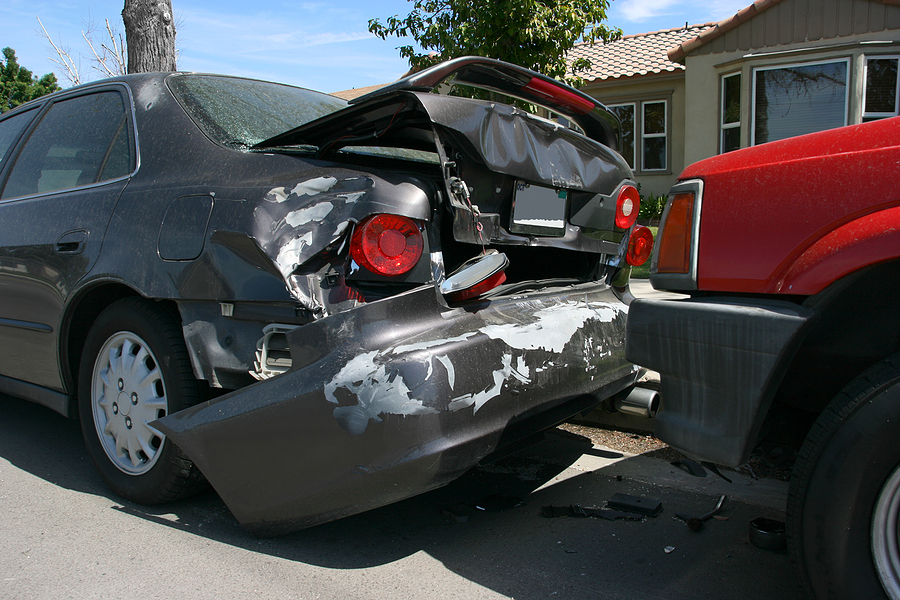
A car is declared a “total loss,” or totaled, when the cost to repair it to its pre-incident condition is higher than its actual cash value (ACV). Insurance companies and state laws have specific criteria for this determination, but the core principle is economical. If fixing the car costs more than the car is worth, it is no longer financially sensible to repair it.

Several factors contribute to this decision:

  • Cost of Repairs: This includes parts, labor, and any other expenses required to restore the vehicle.
  • Actual Cash Value (ACV): This is the market value of your car right before the accident occurred.
  • Salvage Value: This is the amount the insurance company can get by selling the damaged car to a salvage yard.

The decision isn’t based solely on whether the car is drivable. A vehicle with significant frame damage might look deceptively fine but could be structurally unsound and expensive to fix, leading to a total loss declaration. Conversely, a car with extensive cosmetic damage might be ugly but still safe and cheaper to repair than its total value.

How Insurance Companies Decide

When you file a claim, your insurance company will follow a structured process to determine if your car is a total loss. This involves calculating the vehicle’s value and estimating repair costs.

Total Loss Threshold

Every state has a “total loss threshold” (TLT), which is a percentage set by law. If the repair costs exceed this percentage of the car’s ACV, the insurance company must declare it a total loss. For example, if your state’s TLT is 75% and your car’s ACV is $10,000, it will be totaled if repair estimates exceed $7,500. Some states allow insurance companies to use their own formulas, but the principle remains the same. In Kentucky, the TLT is 75 percent.

Actual Cash Value (ACV)

The ACV is the cornerstone of the total loss calculation. It’s not what you paid for the car or what a new one would cost; it’s the market value of your vehicle just before the accident. To determine the ACV, insurance adjusters consider:

  • Make, model, and year: The basics of your vehicle.
  • Mileage: Lower mileage generally increases value.
  • Overall condition: This includes the interior, exterior, and mechanical state before the crash.
  • Recent sales: The adjuster will look at the sale prices of similar vehicles in your local area.
  • Special features: Any upgrades or customizations can also affect the value.

Repair Estimates

An insurance adjuster will inspect the damage to your vehicle or review estimates from certified repair shops. This estimate includes the cost of replacement parts and the hours of labor required. If this estimated cost surpasses the state’s TLT or the insurer’s internal threshold, the vehicle will be declared totaled.

Get a Free Junk Car Appraisal in Louisville Today!

What to Do If Your Car Is Totaled

Receiving news that your car is a total loss can be disheartening, but you have options. It’s important to understand your rights and the steps you can take.

  1. Review the Insurance Company’s Offer: The insurer will present you with a settlement offer based on their ACV calculation. Scrutinize this document. Ensure all the details about your car—trim level, features, and condition—are accurate.
  2. Negotiate the Settlement: If you believe the ACV is too low, you have the right to negotiate. Provide evidence to support your claim, such as listings for comparable vehicles in your area, records of recent upgrades, or a third-party appraisal.
  3. Decide on Your Next Steps: Once you agree on a settlement amount, you have two main choices:
  4. Accept the settlement: You sign over the title to the insurance company, and they give you a check for the agreed-upon ACV (less your deductible). You can then use this money to buy a new car.
  5. Keep the car: You can choose to keep your totaled vehicle. In this case, the insurance company will pay you the ACV minus your deductible and the car’s salvage value.

The Implications of Keeping a Totaled Car

Keeping a totaled vehicle might seem like a good way to get some extra cash, but it comes with significant strings attached.

Salvage Title

When you keep a totaled car, its title is rebranded as a “salvage title.” This permanently marks the vehicle as having been a total loss. To legally drive it again, you’ll need to have it repaired and pass a rigorous state inspection. If it passes, it will be issued a “rebuilt” title.

Safety and Resale Value

Even with a rebuilt title, the car’s history will be a red flag for future buyers. The resale value of a vehicle with a rebuilt title is drastically lower than one with a clean title. Furthermore, some insurance companies are hesitant to provide full coverage for rebuilt vehicles, and you may have trouble finding a willing insurer. There are also potential safety concerns, as even a certified repair might not restore the vehicle’s original structural integrity.

Repairable vs. Totaled: A Quick Comparison

How do you know if your car is likely to be repaired instead of totaled?

  • Repairable: Damage is often cosmetic or involves replaceable parts without compromising the frame or safety systems. The repair costs are well below the vehicle’s ACV and the state’s total loss threshold.
  • Totaled: Damage is severe, often affecting the frame, engine, or multiple major systems. Repair costs approach or exceed the car’s ACV. A common example is flood damage, which can ruin a car’s electronics and interior even if the body looks intact.

Repairing a damaged car allows you to keep a vehicle you’re familiar with, but you risk dealing with lingering mechanical issues. Accepting a total loss settlement gives you a clean break and funds for a new purchase, but it means going through the process of car shopping again.

Conclusion

Dealing with a badly damaged car is never easy. Understanding whether it’s repairable or a total loss empowers you to work effectively with your insurance company and make an informed decision. Always review your insurer’s assessment carefully, know your rights, and consider all your options before signing any paperwork.

If your car is totaled and you’re in the Louisville, Kentucky area, repairing it may not be your best option. Instead of dealing with the hassle of a salvage title, consider getting cash for your totaled car. GC’s Junk Cars offer a simple, fast way to turn your damaged vehicle into money you can use for your next purchase.

Contact Us Today to get a quote.

Related Post: Uncovering Value: The Silver Lining for Total Loss Cars in Indiana

Why Is My Car Not Starting? A Guide to Common Issues and Solutions

Few things are as frustrating as hopping into your car, turning the key (or pressing the start button), and… nothing happens. That sinking feeling of uncertainty sets in as you wonder what could possibly be wrong. Is it the battery? The engine? Electrical components? If you’re reading this, chances are you’re dealing with a car that won’t start.

This guide will help you troubleshoot common reasons why your car might not be starting, how to resolve the issue, and when it’s time to call in a professional. Plus, we’ll touch on what to do when repair costs outweigh your vehicle’s value.

Call 502-804-5605 to Get in Touch With Our Totaled Car Scrap Yard in Louisville KY

Common Causes of Starting Problems

Understanding the reason why your car won’t start is the first step. Below are the most common culprits:

1. A Dead Battery

The most frequent cause of a car not starting is a dead or weak battery. Batteries power your car’s electrical systems, including the starter motor. Signs of a dead battery include:

  • The engine doesn’t crank at all.
  • You hear a rapid “clicking” sound when turning the key.
  • The dashboard lights are dim or don’t illuminate.

Solution: Use jumper cables to jump-start your car with the help of another vehicle. Alternatively, a multimeter can measure the battery voltage (anything below 12.4V could mean trouble). If the battery is old or won’t hold a charge, it might need replacing.

2. Faulty Starter

The starter motor is responsible for turning the engine over. If it’s not functioning, your car won’t start. Indications of a faulty starter include:

  • A single “click” sound when turning the key.
  • Grinding noises during an attempted start.
  • The engine doesn’t crank, even with a fully charged battery.

Solution: A worn-out starter needs professional replacement. Faulty starters often require specialized tools, making DIY repairs challenging.

3. Ignition Switch Problems

The ignition switch activates your car’s electrical systems and engages the starter. If it’s faulty, power might fail to reach critical components. Symptoms include:

  • No noise or dashboard lights when turning the key.
  • Intermittent starting issues.

Solution: If this is the suspected cause, you may need to consult a professional mechanic to confirm and replace the ignition switch.

4. Fuel System Issues

Fuel needs to flow smoothly to your engine for it to run. Problems in the fuel system (like a faulty fuel pump, clogged fuel filter, or malfunctioning injectors) can prevent the car from starting. Tell-tale signs include:

  • The engine cranks but won’t start.
  • The car stalls shortly after starting.

What to Do: Maintain your fuel system regularly by replacing filters and inspecting the fuel pump. Diagnosing fuel issues often requires tools like an OBD-II scanner.

5. Other Electrical Issues

Electrical components like blown fuses, damaged wiring, or faulty sensors can prevent your car from starting. Warning lights on the dashboard often point to these issues.

Solution: Check for blown fuses and look for visible wiring damage. Only proceed if you’re comfortable working with electrical systems; major problems may require professional inspection.

Scrap Your Ride Today For Instant Cash

Automotive Troubleshooting Steps

If your car or truck won’t start, follow these steps before calling a professional:

Step 1: Check the Battery

Use jumper cables or a portable jump starter to get your car running if the battery is the issue. Consider testing the battery with a multimeter to measure its voltage.

Step 2: Listen for the Starter

Pay close attention to the sounds your car makes when attempting to start:

  • Rapid Clicking suggests a dead battery.
  • Loud, Repeated Clicking may indicate a faulty starter.
  • Grinding or Whining may also point to starter problems.

Step 3: Inspect Fuses and Wiring

Look at the fuse box under the hood or dashboard for blown fuses. Damaged or frayed wires can also interrupt electrical flow. Always disconnect the battery before investigating wiring issues.

Step 4: Use an OBD-II Scanner

For persistent issues, plug in an OBD-II scanner to retrieve error codes from your car’s computer. These codes can provide valuable insight into what’s wrong.

When to Call a Professional

While some issues can be resolved using the troubleshooting steps above, others require expert knowledge and tools. Call a professional mechanic if:

  • You’ve ruled out common causes, but the car still won’t start.
  • You suspect the fuel system, but lack the tools to diagnose or fix it.
  • There are issues with the starter motor or ignition switch.

When Auto Repairs Are More Than Your Car’s Market Value

Sometimes, the cost of repairs exceeds your vehicle’s value, such as when dealing with an older or totaled car. Here’s what you can do:

✔ Consider Selling to a Salvage Yard – If your car is no longer drivable, you can sell it to a salvage yard for parts or scrap metal. They generally offer free junk car towing and pay in cash. Scraping your total loss vehicle could put instant money in your pocket and save you from hefty repair costs.

✔ Part Out and Sell Online – If your ride has valuable car parts that can be salvaged and sold individually, consider listing them online.

Donate Your Car – You can also donate your car to charity and potentially receive a tax deduction.

Trade-In for a New Vehicle – If you were already planning on getting a new car, consider trading in your current one for some cash towards the purchase.

Preventative Maintenance Tips

Avoiding starting problems in the future is easier with a little preventative care:

  • Regularly test your battery and replace it every 3–5 years.
  • Keep up with your routine maintenance, including oil changes and fuel filter replacements.
  • Park your car in a garage (if possible) to protect the battery from extreme temperatures.
  • Clean and tighten battery terminals to ensure good electrical connectivity.

Don’t Be Left Stranded Again

Knowing why your car won’t start can save you time, money, and frustration. Whether it’s a dead battery, starter issues, fuel system problems, or electrical faults, understanding the signs can help you diagnose and solve the issue quickly. But, if the repair costs outweigh the value of your car, it may be time to consider selling it to a salvage yard and moving on.

Need to sell your vehicle ASAP? Scrap your total loss car today at GC’s Junk Cars and turn your problem into an opportunity. We provide free towing and pay cash on the spot. Get an instant free offer now!

Call for Your Free Offer

Related Post: How to Deal with Car Alternator Problems and Expensive Repairs

Watch Out for These Expensive Car Issues 

Owning a car can be liberating, but dealing with surprise repairs? Not so much. We’ve all been there—faced with a repair bill so high it feels like a gut punch. While some car troubles are inevitable, there are ways to avoid the most expensive ones. This guide will walk you through the common high-cost auto repairs, how much they typically cost, and most importantly, how to prevent them. By the end, you’ll feel empowered to keep your car running smoothly and your wallet intact.

Call 502-804-5605 to Sell a Junk Car in Louisville Kentucky

Common Expensive Car Issues 

1. Transmission Problems 

  • Symptoms of Trouble – Notice delayed shifting, grinding noises, or leaking transmission fluid? These are often signs of a failing transmission. Ignoring them could lead to costly repairs. 
  • Repair Costs – Rebuilding or replacing a transmission can cost anywhere from $3,000 to $5,000, depending on your vehicle. 
  • Prevention Tips:   
    • Regularly check and change your transmission fluid as per your car’s manual.
    • Avoid aggressive driving habits like hard shifting or towing beyond your vehicle’s capacity.
    • Address minor transmission issues as soon as they arise.

2. Engine Overheating 

  • Causes – Engine overheating often stems from coolant leaks, a failing water pump, or a malfunctioning thermostat. If left unaddressed, it can cause devastating damage to your engine. 
  • Repair Costs – Fixing an overheating engine ranges between $500 to $2,000 or more, depending on the extent of the damage. 
  • How to AvoidIt:
    • Monitor your coolant levels and top them off as needed.
    • Ensure your cooling system is flushed and serviced regularly.
    • Watch out for signs like rising temperature gauges or steam from under the hood.

3. Catalytic Converter Failure 

  • What to Look ForDecreased fuel efficiency, a sulfur smell, or your check engine light turning on could mean your catalytic converter is failing. 
  • Repair CostsReplacing a catalytic converter can set you back $900 to $2,500. 
  • Environmental Impact – A failing catalytic converter not only hits your wallet but also increases harmful emissions. 
  • Maintenance Tips:   
    • Ensure your engine runs efficiently to prevent undue strain on the catalytic converter.
    • Fix exhaust system issues promptly to avoid further damage.

4. Air Conditioning Issues 

  • Common Problems – Air conditioning systems can suffer from refrigerant leaks, compressor failure, or electrical issues, making them costly to fix, especially in warmer months when demand rises. 
  • Repair Costs – Depending on the issue, repairs range between $200 and $1,500. 
  • How to Keep Things Cool: 
    • Run your A/C occasionally, even in winter, to prevent components from seizing.
    • Schedule regular maintenance checks for leaks or worn-out parts.
    • Replace cabin air filters as recommended.

5. Suspension Problems 

  • Symptoms of a Bad Suspension – Does your car feel bumpy, pull to one side, or make clunking noises? Your suspension might need attention. 
  • Repair Costs – Suspension repairs typically range from $1,000 to $5,000, depending on the damaged components. 
  • Preventative Measures:
    • Replace shocks, struts, and bushings as needed.
    • Avoid potholes and rough roads when possible.
    • Stay aware of unusual handling or noises during your drive and address them immediately.

Contact Us for a Free Junk Car Quote

How to Prevent Expensive Car Repairs 

Being proactive is often the best defense against a high car repair bill. Here’s how you can avoid common car problems before they become major issues:

☑ Follow the Maintenance Schedule

Manufacturers design maintenance schedules for a reason. Routine oil changes, fluid checks, and tune-ups go a long way in preventing larger issues. 

☑ Inspect Your Car Regularly

Keep an eye out for leaks, odd noises, or changes in performance. Catching a problem early can save you thousands in repairs down the road. 

☑ Drive Responsibly

Aggressive driving causes unnecessary wear on your car. Handle your vehicle with care to extend its lifespan. 

☑ Use High-Quality Parts and Fluids

Cutting corners with cheap parts might save money initially but often leads to greater costs later. 

☑ Schedule Seasonal Checkups

Certain seasons can be harder on your car. For example, extreme temperatures in winter or summer may tax your vehicle more than usual. 

☑ Invest in a Pre-Purchase Inspection

If you’re buying a used car, have it thoroughly inspected by a trusted mechanic to avoid inheriting someone else’s problems. 

☑ Educate Yourself

Knowing the basics of car maintenance equips you to make smarter decisions at the repair shop. 

Frequently Asked Questions 

What are the most common high-cost auto repairs? 

Transmission problems, engine overheating, catalytic converter failures, air conditioning issues, and suspension problems top the list. 

How can I tell if my car is overheating? 

Look for a rising temperature gauge, steam coming from the hood, or a sweet smell of coolant. Immediately pull over and turn off your car to prevent further damage. 

What are the signs of transmission problems? 

Grinding noises, delayed gear shifts, or a leaking reddish fluid are key indicators of transmission troubles. 

How often should I replace my catalytic converter? 

Catalytic converters are built to last but may need replacement after 100,000 miles or more, depending on your vehicle and driving habits. 

Can I prevent expensive car repairs with regular maintenance? 

Absolutely. Following the manufacturer’s maintenance schedule and addressing minor issues early is the best way to avoid costly repairs. 

What should I do if I can’t afford a major car repair? 

Consider financing options, seeking a second opinion from another mechanic, or exploring warranty coverage. You may also look into selling or trading the vehicle. If your vehicle is not insured, consider scrapping it for cash at a local auto salvage yard.

Is it worth repairing an old car, or should I buy a new one? 

This depends on the cost of repairs versus the car’s current value. Evaluate whether the investment will extend the car’s life enough to justify the expense. 

How much does it cost to replace a car engine? 

Replacing a car engine can cost between $4,000 and $7,000, depending on the make and model of the vehicle. 

What are the benefits of using synthetic oil? 

Synthetic oil provides better lubrication, lasts longer, and performs better in extreme temperatures compared to conventional oil. 

How can I find a trustworthy mechanic? 

Ask for recommendations, read online reviews, and look for ASE-certified technicians to ensure quality service. 

Take Control of Your Car Maintenance 

Expensive car repairs are daunting, but the good news is, many of them can be prevented with regular maintenance and early intervention. By adopting proactive habits and paying attention to your vehicle’s needs, you can reduce the likelihood of facing a high car repair bill. 

If your current car is causing more stress than it’s worth, it might be time to consider upgrading. Get rid of a problematic vehicle at GC’s Junk Cars in Louisville, Kentucky and save yourself the headaches later. We pay cash for all cars, plus provide free removal.

Call Now to Get Started

Related Post: Understanding Common Causes of High Cost Car Repairs

How to Deal with Car Alternator Problems and Expensive Repairs

The car alternator may not be the flashiest part of your vehicle, but it’s undoubtedly one of the most critical. Responsible for producing electricity to power your car’s electrical systems and recharge your battery, a faulty alternator can stop your car in its tracks. If you’ve struggled with mysterious electrical issues, dimming lights, or even an unexpected breakdown, the alternator may be to blame.

This guide will walk you through understanding alternator problems, recognizing common symptoms, diagnosing issues at home, and knowing when to seek professional help or disposal. We’ll also cover tips for prolonging your alternator’s lifespan and what to do if repairing it no longer makes sense for your car’s value.

By the end of this post, you’ll better understand how to deal with alternator problems without draining your wallet or patience.

Call 502-804-5605 to Get a Free Quote For a Total Loss Car in Louisville

What Is a Car Alternator and Why Is It Important? 

Your car alternator is an essential component in the electrical system. While the battery gets your car started, it’s the alternator that keeps it running. Once the engine is on, the alternator continuously generates electricity to keep your headlights, radio, power windows, air conditioning, and other electrical systems running. Additionally, it ensures your battery is fully charged for the next time you start your car.

If the alternator fails, your battery cannot maintain a charge, and your car’s electrical components will falter. Left unresolved, alternator issues can lead to sudden breakdowns and expensive repairs.

Common Symptoms of Alternator Problems 

Recognizing the early signs of a failing alternator is key to avoiding complete failure or a roadside breakdown. Here are some common symptoms to watch for:

  • Dimming or Flickering Lights: Headlights and interior lights may lose their brightness, especially as you accelerate or decelerate.
  • Warning Lights: Most cars have a dashboard warning light (often shaped like a battery) that may illuminate when alternator issues occur.
  • Strange Noises: Whining, growling, or grinding noises coming from the alternator could indicate internal damage or wear.
  • Dead Battery: A failing alternator may not properly recharge the battery, causing it to die frequently.
  • Malfunctioning Electrical Systems: Accessories like power windows, air conditioning, or the radio may start to behave unpredictably.
  • Car Stalling or Difficulty Starting: An alternator not providing enough power may cause your car to stall or struggle to start.

If you notice these symptoms, it’s time to investigate further.

DIY Tests to Diagnose Alternator Issues at Home 

Before heading to a mechanic, you can perform these simple tests to diagnose alternator problems:

Voltage Test 

Using a multimeter, measure the alternator’s voltage output while the car is running. A healthy alternator should output between 13.5 and 14.5 volts. Anything outside this range could indicate a problem.

Battery Load Test 

Before starting the car, check the battery voltage with the multimeter (a fully charged battery should read around 12.6 volts). Start the car and check again. A significant voltage drop after starting could mean the alternator isn’t recharging the battery sufficiently.

Visual Inspection 

Inspect the alternator belt for signs of wear, cracks, or damage. A loose or damaged belt can cause the alternator to function improperly.

Listen for Noises 

Run the engine and listen for any whining, growling, or grinding noises near the alternator. These sounds often indicate worn-out bearings or internal damage.

If you find clear evidence of alternator issues during these checks, you’ll need to decide whether to repair it yourself or seek professional assistance.

Sell an Old Car Today!

When to Call a Pro 

While DIY diagnostics are handy, some alternator problems require professional expertise. Here are scenarios where you should call a professional:

  • Complex Electrical Issues: If problems go beyond what basic tests can identify, a mechanic can conduct advanced diagnostics. 
  • Alternator Replacement: Alternator replacement often requires specific tools and expertise to ensure proper installation. 
  • Persistent Problems: If alternator issues persist despite repairs, there could be underlying issues in the electrical system needing expert attention. 
  • Warranty Concerns: For cars under warranty, it’s best to leave alternator repairs to certified mechanics to avoid voiding coverage.

Maintenance Tips to Prolong Your Car Alternator’s Life 

A little proactive care can save you from alternator headaches down the road. Follow these maintenance tips to extend its lifespan:

  • Inspect the Alternator Belt Regularly: Check for signs of wear or tension issues, as a worn or loose belt can impact performance. 
  • Maintain the Battery: A weak or faulty battery forces the alternator to work harder, leading to premature wear. 
  • Avoid Electrical Overloads: Resist running too many electrical devices simultaneously (e.g., headlights, stereo, and A/C) to reduce strain on the alternator. 
  • Keep It Clean: Periodically clean the alternator and surrounding area to prevent dirt, debris, or engine grime from causing problems. 
  • Schedule Routine Check-ups: Have a mechanic inspect your alternator and electrical system during routine maintenance appointments.

Being proactive can save you significant time and money while keeping your car running smoothly.

What to Do If Your Alternator Repair Exceeds Your Car’s Value 

If your alternator repair or replacement costs more than your car is worth, it may indicate your car is a total loss vehicle. Repairing an older or heavily damaged car might not be worth the investment, but it doesn’t mean you’re stuck with it.

Why Sell a Total Loss Vehicle to a Junk Car Buyer? 

Opting to sell your total loss vehicle to a junk car buyer offers several benefits:

  • Quick Cash: Junk car buyers often provide immediate payment, giving you quick access to funds. 
  • Hassle-Free Process: They take care of towing and paperwork, saving you time and effort.
  • Free Junk Car Removal: Most junk car companies will tow your car away for free.
  • Eco-Friendly: Many junk car buyers recycle old parts, reducing waste and environmental impact. 
  • Avoid Repair Costs: Skip expensive alternator replacement and other repairs. 
  • Any Condition Accepted: Whether your car has multiple issues or is simply too old, junk car buyers take it as-is. 

Selling your car in this way can save you from the financial strain of expensive repairs while putting money in your pocket.

In Summary

Dealing with a failing alternator doesn’t have to be overwhelming. By recognizing early symptoms, performing simple diagnostics, and staying on top of maintenance, you can save yourself time, money, and stress. However, when repairs become impractical due to cost, selling your car to a junk buyer can be an excellent solution.

If you’re ready to sell your total loss vehicle and move on from the repair headaches, we’re here to help. Contact GC’s Junk Cars today for a quick, hassle-free way to turn your old car into cash!

Talk to a Junk Car Buyer Now

Related Post: Easy Guide to Jump Starting a Dead Car Battery

Wave Goodbye to Your Old Ride with Free Junk Car Towing in Louisville

Have an old clunker gathering dust and rust in your driveway? You’re not alone. Many residents in Louisville face the same issue, with junk cars taking up valuable space and posing environmental hazards. The good news is that you don’t have to deal with this problem alone. In this post, we’ll break down everything you need to know about getting free junk car towing service in Louisville, why it matters, and how to make the most of it.

Call 502-804-5605 For Free Junk Car Towing in Louisville Kentucky

The Problem with Junk Cars in Louisville

Junked and totaled cars are more than just an eyesore. They carry significant environmental and financial implications. Abandoned vehicles often leak hazardous fluids, posing a risk to soil and water quality. This affects local ecosystems and can result in hefty fines for property owners.

For junk car owners, disposing of these vehicles can be a challenging task. Traditional towing services can be costly, and finding scrap car buyers willing to take on the hassle of fixing up a clunker is no easy feat. These hurdles often lead to procrastination, which only exacerbates the problem as the vehicle further deteriorates.

The need for an efficient solution to junk car disposal is clear. Fortunately, Louisville offers several options for residents to tackle this issue while benefiting financially and environmentally.

Free Junk Car Towing Options in Louisville

If you’re dealing with a junked car, you might be wondering about the best way to get rid of it. Thankfully, there are businesses in Louisville that specialize in free junk car towing. These services make the process straightforward and cost-free, ensuring you don’t have to spend a dime to reclaim your space.

Several companies in the area offer free towing as part of their junk car buying business model. They typically provide a hassle-free experience, handling all the paperwork and logistics involved in junk car removal.

The benefits of choosing these services are significant. Not only do you eliminate the cost of disposal, but you also support local businesses focused on recycling and repurposing vehicle parts, contributing positively to the environment.

The Process of Selling a Junk Car

Selling your junk car for free towing is a straightforward process, but there are a few steps to ensure you get the best deal:

  1. Research and Choose a Reputable Buyer: Start by researching local companies with positive reviews and a strong reputation for fair practices. Look for junk car buyers who promise no hidden fees and quick service.
  2. Prepare Your Vehicle: While your car might not run, removing personal belongings and cleaning it can help in negotiations. Have your documents ready, including the title and any service records.
  3. Get a Quote: Contact several companies to get quotes. This will give you a sense of your car’s worth and help you choose the best offer. Transparency is key, so ask about any potential deductions for damages.
  4. Schedule a Pickup: Once you’ve chosen a buyer, schedule a pickup at your convenience. Most companies in the junk car buying business offer flexible hours and quick turnarounds.
  5. Complete the Sale: Ensure you receive payment as agreed, whether it’s cash or a check. Also, don’t forget to cancel your insurance and registration, plus notify the DMV of the sale for proper junk car disposal documentation.

Reaping the Benefits of Selling Your Junk Car

Selling your junk car comes with multiple benefits:

  • Financial Gain: While prices vary, you can expect some financial compensation for your vehicle. Even non-operational cars hold value for their parts and scrap metal.
  • Environmental Responsibility: By opting for an auto scrapyard that recycles, you’re helping reduce waste and pollution. Most companies ensure that usable parts are salvaged and toxic materials are disposed of safely.
  • Space Optimization: Free up space on your property, making it more aesthetically pleasing and potentially increasing its market value if you’re looking to sell.

Wrapping Up

Proper junk car disposal is crucial for both individual property owners and the community at large. It helps avoid legal penalties, promotes environmental health, and enables a more organized and functional living space.

If you’ve been putting off dealing with your old vehicle, now is the time to take advantage of free junk car towing services in Louisville. With minimal effort, you can turn your junk car into an opportunity for cash, all while contributing positively to the environment.

Are you ready to scrap your junk vehicle and make fast cash on the spot? It won’t cost you a dime because we’ll tow it away for free! Contact GC’s Junk Cars at 502-804-5605, today! Learn more about our free junk car towing services and join the Louisville residents who have already benefited from our efficient and Eco-friendly solutions.

Related Posts:

Do You Need Junk Car Disposal in Kentucky?
3 Hazardous Auto Parts and How to Dispose of Them Safely
8 Hassle-Free Ways to Say Goodbye to Your Junk Car

Totaled Motorcycle 101: Options, Costs, and Cash on the Spot

Finding out your motorcycle is totaled can be a gut-wrenching experience. Whether it’s the result of an accident or wear and tear over time, knowing what to do next can be overwhelming. For motorcycle owners, especially those without insurance, understanding the options available is crucial.

This blog aims to guide you through the various steps you can take with a scrap motorcycle, giving you valuable information on repair, disposal, and financial implications. By the end, you’ll know exactly what options are available to you and how to make the best decision for your situation.

Call 502-804-5605 to Get a Free Quote From Our Junk Motorcycle Buyers in Louisville KY

What Constitutes a Totaled Motorcycle?

In the world of motorcycles and insurance, the term totaled, also referred to as total loss, refers to a vehicle that is so damaged that the cost of repairs exceeds its market value. Insurance companies typically deem a motorcycle totaled when the repair costs are between 70% to 75% of the bike’s value. This threshold can vary depending on the insurer and local regulations.

Factors Contributing to a Motorcycle Being Totaled

Several factors contribute to a motorcycle being declared a total loss. The most common reason is collision damage. However, theft recovery, fire damage, and even severe mechanical failure can also lead to a motorcycle being considered a total loss. It’s essential to understand these factors so you can make an informed decision about your next steps.

Options for Handling a Scrap Motorcycle

Repair vs. Total Loss

When faced with a severely wrecked or damaged motorcycle, you have two primary options: repair it or consider it a total loss. Repairing the motorcycle might be feasible if the damage is not extensive and you have a sentimental attachment to the bike. However, if the repair costs are exceptionally high, it might be more practical to claim it as a total loss.

Steps to Take for Repair

If you decide to repair your damaged motorcycle, start by getting multiple quotes from reputable motorbike mechanics. Compare these estimates to the market value of your bike. If the repair costs are justified, proceed with the repairs. Ensure all repairs meet safety standards to avoid any future issues. Always keep detailed records of the repairs done, as this can be beneficial if you decide to sell the junk motorcycle later.

Selling or Disposing of a Total Loss Motorcycle

Legal and Documentation Requirements

Selling a totaled motorcycle involves specific legal and documentation requirements. You must disclose to potential buyers that the motorcycle is scrap. Failing to do so can result in legal consequences. Make sure all paperwork, including the title and any salvage certificates, is in order before completing the sale.

Environmental and Ethical Considerations

Disposing of a junk motorcycle requires careful consideration of environmental and ethical factors. Many parts of the motorcycle can be recycled, reducing environmental impact. Always choose reputable scrap motorcycle buyers who adhere to environmental guidelines. This ensures that hazardous materials are disposed of responsibly.

Financial Implications for Non-Policyholders and Uninsured Owners

Exploring Costs and Options

For those without insurance, the financial implications of a total loss motorcycle can be daunting. Repair costs will come out of pocket, and you won’t receive any compensation for the total loss. However, you can still explore options like selling a junk motorcycle for parts or to a scrap buyer. Some companies offer cash on the spot for scrap motorcycles, providing immediate financial relief.

Conclusion

Dealing with a totaled motorcycle can be challenging, but understanding your options makes the process more manageable. Whether you choose to repair, sell, or dispose of your motorcycle, being informed is key. Stay safe on the road and make decisions that best suit your financial situation and personal preferences.

Do you need a profitable way to dispose of your totaled motorcycle? Contact GC’s Junk Cars at 502-804-5605 to get paid cash on the spot. We offer free junk car removal and accept all old or broken auto parts. Your next steps are just a decision away!

Related Posts:

What You Need to Know Before Salvaging Your Vehicle
Knowing When it’s Time to Say Goodbye to a Vehicle Beyond Repair
The Benefits of Recycling a Junk Vehicle

Uncovering Value: The Silver Lining for Total Loss Cars in Indiana

In the aftermath of a car accident or discovering that your beloved vehicle has reached the end of its road life, it’s easy to see nothing but a bleak outcome. However, for scrap car owners, those with totaled vehicles, or individuals without adequate insurance coverage in Indiana, there exists a silver lining—a potential for opportunity and gain amidst apparent loss. This post aims to shed light on the hidden value of total loss vehicles and guide you through maximizing this unexpected situation.

Call 502-804-5605 to Get a Quote From Our Professional Total Loss Car Buyers in Louisville Kentucky

The Economics of Total Loss Vehicles

At first glance, a car declared as a total loss by insurance companies seems like a financial sinkhole. Yet, these vehicles can still hold significant value. In the current market, the demand for scrap metal, used auto parts, and even salvageable cars has surged, offering car owners a chance to recoup some losses.

Opportunity Knocks for Scrap Car Owners

If you find yourself with a vehicle that’s more rust than road-worthy, don’t rush to write it off. Here are a few tips to ensure you get the most out of your scrap car:

Research Scrap Yards: Not all scrap yards offer the same rates. Shop around and negotiate to find the best deal for your vehicle’s metal and component parts.

Consider Selling Parts Privately: Some car parts can fetch a higher price on the open market than they would as scrap. Online marketplaces are excellent venues to sell engines, transmissions, and even cosmetic parts.

Navigating the Insurance Maze for Totaled Cars

For those with insurance facing a wrecked car situation, understanding your policy’s fine print is crucial. Here are some insights:

Know Your Rights: Insurance companies typically offer a cash payout for the actual cash value (ACV) of your vehicle pre-accident. Ensure this valuation is fair and reflects your car’s true market value.

Explore Selling Options: If your payout seems low, consider selling your totaled vehicle to an auto salvage yard. Often, you can negotiate a better price than what’s initially offered by insurance.

A Helping Hand for the Uninsured and Under-Insured

Accidents without proper insurance coverage can be daunting. However, options remain to mitigate financial loss:

Legal Consultation: It might be beneficial to consult with a legal expert to explore any possible compensation routes, especially if another party was at fault.

Direct Sale: Selling your vehicle as-is to auto salvage yards or through private deals can provide an immediate, albeit small, financial relief.

Indiana-Specific Considerations

Indiana residents dealing with total loss cars must be aware of state-specific laws and regulations that could affect their decisions:

Title Requirements: Indiana may require a “salvage title” for cars deemed a total loss, which can impact your ability to sell.

Local Services: Leverage Indiana’s robust network of auto salvage yards and specialists in totaled cars to get the best deals and advice.

Conclusion

While facing a total loss vehicle scenario is undoubtedly challenging, it’s far from the end of the road. With the right approach and knowledge, there’s substantial value to be unearthed from what appears to be mere scrap or a totaled wreck. For residents of Indiana and beyond, exploring the opportunities to salvage what’s left, understanding your rights, and making informed decisions can transform a seemingly dire situation into one with a silver lining.

Remember, every car, no matter its condition, holds potential value. Before you consider your total loss car a complete loss, investigate your options. You might be surprised at the opportunities available, whether through selling to a trusted auto salvage yard or leveraging parts and metals markets.

Are you looking for a professional-level auto salvage yard to pay you generously for your junk vehicle? Contact GC’s Junk Cars at 502-804-5605 to sell a scrap car in Louisville, Kentucky. We pay cash on the spot and offer free junk car removal in all surrounding counties.

Related Posts:

Understanding the Value of a Junk Car: A Seller’s Guide
Turning Scrap into Cash: The Junk Car Selling Process
Top Questions to Ask Your Louisville Junk Car Buyer

Decoding the Mystery of the Check Engine Light

The glowing, ominous check engine light, also known as the malfunction indicator lamp (MIL), has been the source of many a motorist’s anxiety. What does it mean, and why has it suddenly switched on? Is it a signal of a catastrophic engine failure on the horizon or merely a false alarm? As a car owner, it can feel like you’re deciphering a cryptic language. The check engine light could indicate a range of issues, from minor faults such as a loose gas cap to major concerns like a malfunctioning engine.

In this blog post, we’ll delve into the common reasons why check engine lights illuminate, the typical costs related to their repairs, and the role of actual cash value when it comes to repair expenses exceeding the market value of your vehicle. With the aid of a check engine light reader, and the information in this post, we’ll help you crack the code of the check engine light.

Call 502-804-5605 to Get an Offer From a Totaled Car Buyer in Louisville KY

Common Causes of Check Engine Lights

The most common causes of check engine lights include faulty oxygen sensors, spark plugs and wires, catalytic converter issues, and a loose gas cap. The oxygen sensor measures the amount of unburned oxygen in your vehicle’s exhaust system and sends this information to the engine management computer. A damaged or malfunctioning oxygen sensor can not only impact your vehicle’s fuel efficiency, but it could also lead to costly repairs if not addressed promptly.

Similarly, spark plugs and wires are crucial components of your car’s ignition system and can cause the check engine light to illuminate if they start to fail. On the other hand, catalytic converter problems can be expensive to fix and may indicate a bigger issue with your vehicle’s emissions system. Lastly, a loose gas cap may seem like an inconsequential issue, but it can cause the check engine light to come on and lead to fuel evaporation and reduced gas mileage.

Expected Costs for Check Engine Light Repairs

The cost of repairing your check engine light can vary significantly depending on the underlying issue. For minor issues such as a loose gas cap or faulty spark plugs, the average cost can range from $200 to $400. However, more significant problems such as a damaged catalytic converter or engine repairs could set you back thousands of dollars. It’s essential to address check engine light issues promptly to avoid potential damage and higher repair costs in the future.

Actual Cash Value and Check Engine Light Repairs

In some cases, the cost of repairing your check engine light may exceed the market value of your vehicle. This is where understanding actual cash value (ACV) comes into play. ACV refers to the fair market value of a vehicle at the time it is deemed a total loss by an insurance company. If you have comprehensive or collision coverage on your car insurance policy, this is the amount you’ll typically receive if your vehicle is damaged beyond repair. If the cost to fix your check engine light is higher than your car’s ACV, it may not be worth repairing and could be considered totaled by your insurance company.

What to Do When Your Check Engine Light Comes On

If your check engine light comes on, don’t panic. The first step is to use a check engine light reader or take your vehicle to a mechanic, who can diagnose the issue and provide an estimate for repairs. From there, you can decide whether it’s worth fixing or if it may be more economical to replace your vehicle. You can also contact your insurance company to discuss options if the cost of repair exceeds your car’s ACV. Remember, regular maintenance and addressing check engine light issues promptly can save you from costly repairs down the road. The key is to stay informed and be proactive when it comes to your vehicle’s health.

In Conclusion

The check engine light may seem like a mysterious and intimidating symbol, but with some knowledge and preparation, you can successfully decipher its meaning. Whether it’s a simple fix or a more complex issue, understanding the common causes of check engine lights and their associated costs can help you make informed decisions as a car owner. Remember, when in doubt, always consult with a trusted mechanic for professional advice on maintaining your vehicle’s health.  So, don’t let the check engine light bring fear and uncertainty into your driving experience; instead, face it head-on armed with the knowledge in this blog post.

Can’t afford to repair your car? Is your vehicle junked now? Contact GC’s Junk Cars at 502-804-5605 to sell your junk car for cash on the spot to a trusted Louisville junk car buyer! We offer free junk car removal in all surrounding counties.

Related Posts:

What it Means When the Check Engine Light Comes On
Understanding Common Causes of High Cost Car Repairs
The Cost of Engine Repair and Replacement in the US

How to Navigate Expensive Car Breakdowns: A Comprehensive Guide

Nothing feels quite as deflating as hearing that dreaded groan from under the hood of your car signaling a breakdown. Even worse is the gut-wrenching anticipation of exorbitant car repair costs. Welcome to our comprehensive guide on navigating expensive car breakdowns.

Whether you’re dealing with a totaled car or a minor hiccup that’s turned into a major problem, this guide is here to help. We will walk you through the process, provide useful tips, and help you make the best decisions to get back on the road without breaking the bank. Stay tuned as we steer you through the rocky terrain of car repair expenses.

Call 502-804-5605 to Get a Quote From Our Professional Scrap Car Buyers in  Louisville
Call 502-804-5605 to Get a Quote From Our Professional Scrap Car Buyers in Louisville

Understanding Car Breakdowns

Before we dive into how to navigate expensive car breakdowns, it’s essential to understand what causes them. A breakdown is when a vehicle stops functioning properly and needs repair or replacement parts. Common reasons for car breakdowns include engine failure, car battery issues, transmission problems, and electrical malfunctions. While some of these issues can be prevented with regular maintenance, others may be unavoidable. It’s crucial to pay attention to warning signs and address them promptly to avoid a more expensive breakdown later on.

Dealing with a Totaled Car

Unfortunately, not all car breakdowns have a happy ending. If your car is deemed totaled by an insurance company after an accident or major mechanical failure, the repair costs might exceed the car’s value. In this case, the insurance company will offer you a settlement based on your junk car’s worth. While this might not cover all of your expenses, you might consider accepting the offer and purchasing a new vehicle instead of investing in costly repairs. If you do not have car insurance or wish to avoid filing an insurance claim, you can always sell your totaled car to a Louisville junk car buyer for cash on the spot. Then, place your earnings toward a new vehicle purchase.

Weighing Your Options

When facing expensive car repair costs, it can be tempting to choose the cheapest option to get your vehicle back on the road. However, it’s essential to weigh your options carefully. Consider factors such as the age of your car, its overall condition, and the severity of the breakdown. Sometimes, investing in repairs might be a more cost-effective long-term solution than purchasing a new vehicle. On the other hand, if your car is older and has had multiple breakdowns, it might be time to consider getting a new one.

Negotiating with Mechanics

If your car has broken down unexpectedly, you may not have the luxury of shopping around for different repair quotes. However, if you do have some time before committing to a mechanic’s services, don’t hesitate to negotiate. Ask for an itemized list of repairs and their costs, and research the average prices for those services in your area. Use this information to negotiate a fair price with the mechanic and consider getting a second opinion if you feel like you’re being overcharged.

Preventing Future Breakdowns

While it’s impossible to prevent all car breakdowns, there are some steps you can take to decrease the likelihood of expensive repairs. Make sure to keep up with regular maintenance, such as oil changes and tire rotations. Pay attention to any warning signs your car may be giving you and address them promptly. It’s also a good idea to have an emergency fund specifically for unexpected car repairs, so you’re not caught off guard by expensive breakdowns.

Final Thoughts

Dealing with expensive car breakdowns can be a stressful and overwhelming experience. However, by understanding the causes of breakdowns, weighing your options carefully, and negotiating with mechanics, you can navigate these situations more confidently. Remember to prioritize safety and make informed decisions that will keep you on the road without breaking the bank. And as always, stay proactive in maintaining your vehicle to prevent future breakdowns and save yourself from costly repairs. With these tips in mind, you’ll be better equipped to handle any car breakdowns that come your way.

Is your car totaled or totally junked? Can’t afford to repair your vehicle after a recent breakdown? You can still earn cash for it! Contact GC’s Junk Cars at 502-804-5605 to sell a junk car in Louisville, Kentucky for an instant cash payout. We provide FREE junk car removal!

Related Posts:

Understanding Common Causes of High Cost Car Repairs
Do Not Believe These Top 5 Auto Insurance Myths
Do I Have to Repair My Wrecked Car?

Navigating the Insurance Claims Process After a Serious Car Crash

No one expects to be involved in a serious car crash, but unfortunately it happens. If you are ever faced with this situation, it can be difficult to know where to turn. The insurance claims process after a major car wreck can seem overwhelming and confusing. In this blog post, we’ll provide an overview of the steps you should take when dealing with the aftermath of a totaled car or other serious accident. We will discuss how to manage your insurance claim and what options are available for those who have been injured in an accident due to someone else’s negligence or recklessness on the road. 

With this information, you’ll be better prepared if you ever find yourself dealing with such a traumatic event. Scroll down to get started.

Call Our Louisville Auto Salvage Yard at 502-804-5605 Today!

Typical Process for Car Accident Insurance Claims

First: Medical Treatment and Police Report

First, if you are injured in an accident and suspect it was caused by someone else’s negligence or recklessness on the road, you should seek medical attention immediately. This is especially important if your vehicle has been totaled or serious damage has occurred. It’s also a good idea to call the police so that they can file a report about the incident—this document will be essential for filing an insurance claim.

Second: Get in Touch With Your Auto Insurance Carrier

Once you have sought medical attention and filed a report with the police, it’s time to contact your insurance company. They will provide information on how to proceed with your claim and may send an adjuster to inspect your car and assess the damage. Make sure to write down any conversations you have with representatives from the insurance company.

Next: Consider an Injury Claim if You are Hurt

If your car has been totally wrecked in an accident, you will be entitled to a settlement from the other driver’s insurance company. You may also be eligible to receive compensation for lost wages and medical expenses related to your injuries. Once the adjuster assesses the damage, they will make a determination on how much money you should receive from the claim. If you do not agree with their decision, it is important that you speak up—your lawyer can help navigate this process as well.

Last: Sell Your Totaled Car to a Local Auto Salvage Yard

Finally, consider selling your totaled vehicle to a local auto salvage yard. These businesses specialize in free junk car removal, making it easy to get rid of your ride, even at the scene of the accident. The process is simple: contact the junk car buyers and provide them with details about your car –then they’ll give you an offer for it. If you accept, they’ll send someone to tow the car away and pay you your cash. Selling your wrecked car to an auto salvage yard in Louisville is an excellent way to receive cash while freeing up space on your property. Plus, it’s an environmentally friendly option, as junk car buyers recycle and reuse as many auto parts as possible.

In Summary

Navigating the insurance claims process after a serious car crash can be complicated and stressful. However, if you follow the steps outlined here, you will be better prepared to handle your claim in an efficient and effective way. You may also want to consult with a lawyer who specializes in personal injury law for more guidance on managing your claim.  With their help, you can rest assured that you are receiving the best possible outcome from your insurance company. 

Is your car totaled or totally junked? If so, trade it in for cash on the spot, then place that profit towards a new car! Contact GC’s Junk Cars at 502-804-5605 to sell a junk car in Louisville, Kentucky for an instant cash payout. We provide FREE junk car removal!

Related Posts:

A Guide to Understanding the Insurance Claims Process for Totaled Cars
Do Not Believe These Top 5 Auto Insurance Myths
Do I Have to Repair My Wrecked Car?