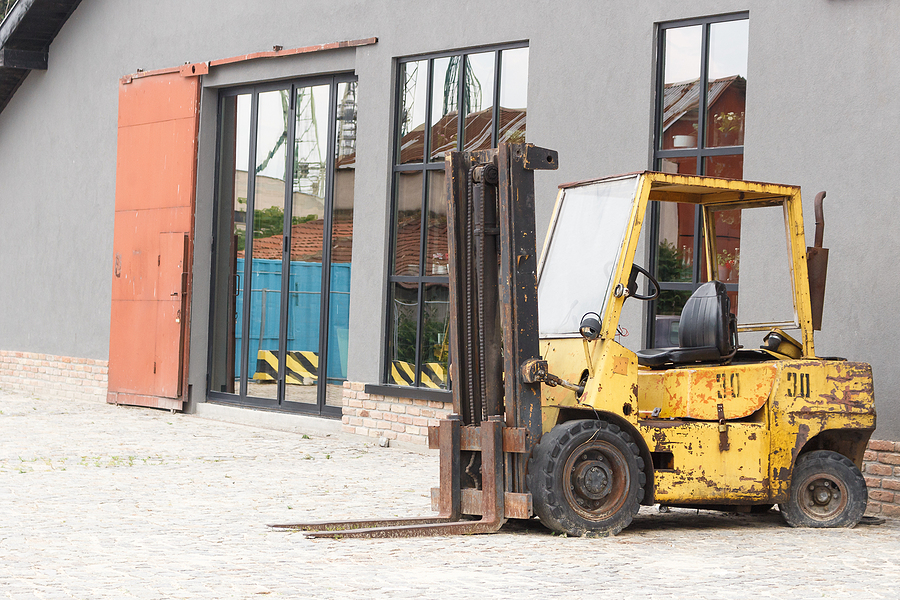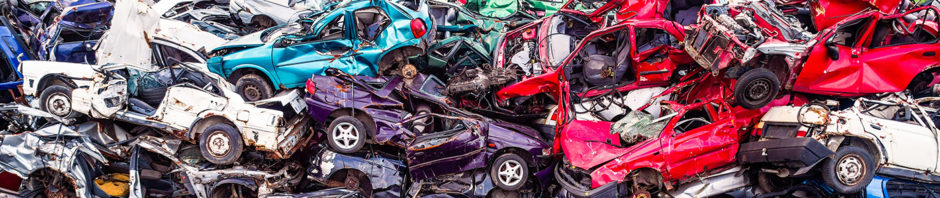
Louisville Guide: Selling Junked Construction Equipment

Dealing with a severely damaged excavator or bulldozer can be incredibly stressful for a contractor. Heavy machinery represents a massive financial investment, and seeing it reduced to scrap due to an accident or catastrophic mechanical failure is a difficult reality to face. However, a broken machine still holds financial value.

Leaving inoperable machinery to rust in your lot takes up valuable space and can attract fines under local nuisance laws. Cities like Louisville enforce strict ordinances regarding the storage of junked equipment. Turning that idle metal into cash allows you to reinvest in your fleet and keep your projects moving forward smoothly.

This guide provides a clear roadmap for offloading your damaged assets legally and profitably. We will cover the specific requirements for contractors in Jefferson County, current scrap market expectations, and the exact steps you need to follow to responsibly dispose of heavy machinery.

Call 502-804-5605 to Sell Junk Construction Equipment in Louisville

How do you assess if your construction equipment is junked or totaled?

Before contacting a buyer, you must determine the actual status of your machinery. A clear assessment dictates how you price the asset and what legal paperwork you will need to finalize the transaction.

What defines junked construction equipment?

Junked equipment typically refers to machinery that has reached the end of its usable life through severe wear and tear, age, or mechanical neglect. A junked backhoe might still have a few working components, but the cost to restore the machine to a safe, operational state far exceeds its potential market value. In these cases, the machinery is primarily valued based on its raw metal weight and any salvageable, high-demand parts.

What makes heavy machinery totaled?

Totaled equipment refers to machinery that has suffered sudden, catastrophic damage, often due to a workplace accident, fire, or natural disaster. Insurance companies classify equipment as “totaled” when repair costs exceed a certain percentage of the machine’s actual cash value. A totaled machine might be relatively new, meaning its individual, undamaged components hold significant resale value on the secondary market.

Why is an accurate equipment assessment important?

An accurate assessment prevents you from leaving money on the table. If a buyer views your newer, totaled loader simply as scrap metal, you lose the premium value of its pristine hydraulic cylinders or intact cab electronics. Knowing the exact condition of your machine empowers you to negotiate effectively and target the right type of buyer.

What is the Louisville market like for scrap construction equipment?

The industrial sector in Louisville maintains a steady demand for both scrap metal and recycled machinery parts. Knowing what buyers are looking for helps you secure the best possible return on your damaged assets.

What local demand exists for used machinery parts?

Louisville’s active construction and logistics industries constantly require affordable replacement parts. Independent repair shops and smaller contracting firms frequently hunt for salvaged engines, tracks, and hydraulic pumps to keep their own aging fleets operational. If your machine has functioning parts, local salvage yards will factor this demand into their purchasing offer.

How can you find reputable scrap buyers in Louisville?

Reputable auto scrap yards usually hold proper licensing and maintain transparent pricing structures. Look for established salvage yards, heavy equipment liquidators, and specialized scrap metal recyclers located near industrial hubs like Grade Lane. A trustworthy Louisville auto salvage yard will clearly explain their valuation process and handle the transportation logistics for heavy, inoperable machines.

What scrap metal prices can you expect in Louisville?

Scrap metal prices fluctuate based on global commodities markets. Currently, scrap yards buy back cast iron and heavy steel at approximately $150 to $200 per gross ton. Non-ferrous metals found in wiring and cooling systems, such as copper and aluminum, command significantly higher prices per pound. Heavy equipment is incredibly dense, meaning even base scrap prices can yield a substantial payout.

How should you prepare your heavy equipment for a scrap sale?

Proper preparation ensures a smooth transaction and helps you avoid unexpected liability issues. Taking the time to prep your machine protects you and maximizes your final payout.

What documentation do you need to sell scrap equipment in Kentucky?

Kentucky law requires clear documentation to transfer ownership of motorized equipment. You must provide a heavy equipment bill of sale that includes the buyer and seller information, the equipment’s make, model, year, serial number, and operating hours. Furthermore, if the machinery requires a title, the state of Kentucky mandates that the title must be transferred to the new owner within 15 days of the sale. If the equipment is deemed a total loss, you may need to apply for a salvage title through your local county clerk’s office.

What safety precautions are necessary before selling scrap machinery?

Safety is paramount when handling damaged heavy machinery. Depressurize all hydraulic systems to prevent dangerous fluid injections or sudden mechanical movements. Disconnect and remove heavy-duty batteries to eliminate fire risks. If the machine’s structural integrity is compromised, secure any loose attachments or booms before a towing company arrives for transport.

How can cleaning and minor repairs maximize your equipment’s value?

While it might seem counterintuitive to clean a junked machine, removing thick layers of mud and grease allows buyers to accurately assess the metal and remaining parts. If a buyer cannot easily identify intact components due to excessive grime, they will default to a lower scrap-weight offer.

What are the steps to sell junked construction equipment in Louisville?

Selling large machinery involves a few specific logistical steps. Following a structured process ensures you get a fair price without unnecessary delays.

Should you sell your heavy machinery locally or online?

Local Louisville buyers like GC’s Junk Cars offer the distinct advantage of fast, in-person inspections and reduced transportation costs. Online heavy equipment auction platforms can expose your totaled machinery to a national audience of specialized parts rebuilders, which might yield a higher price for rare equipment. Choose local buyers if you need immediate cash and quick removal.

How do you negotiate the best price for scrap equipment?

To negotiate effectively, obtain quotes from at least three different salvage yards or equipment buyers in Jefferson County. Provide them with clear photographs of the damage, the serial number, and a list of components you know are still functional. Use the highest quote as leverage when speaking to your preferred buyer.

How do you finalize a scrap machinery sale and receive payment?

Finalize the sale by signing the heavy equipment bill of sale and completing the necessary title transfers. Most reputable scrap buyers will offer certified checks or arrange electronic transfers. Never hand over the keys, the title, or the equipment until the payment has fully cleared your business account.

FAQ: Selling Junked or Totaled Construction Equipment

How much does it cost to tow a totaled excavator in Louisville?

Towing costs depend on the weight of the machine and the distance to the scrap yard. Many specialized scrap equipment buyers will include the cost of heavy-duty towing in their final cash offer, meaning you pay nothing out of pocket.

Do I need a title to sell an old bulldozer for scrap metal?

Yes, if the bulldozer was originally titled. Kentucky law requires proof of ownership to prevent the sale of stolen heavy machinery. If you lost the title, you must apply for a duplicate or a salvage title through your county clerk before the transaction.

Can I claim a tax deduction for a totaled piece of equipment?

If you previously depreciated the equipment, a total loss can impact your tax filings. You may be able to claim a casualty loss deduction, but you must account for any insurance payouts and the final scrap sale price. Consult a certified public accountant to handle the specific tax implications.

Will scrap yards buy heavy equipment with severe fire damage?

Yes, scrap yards will purchase fire-damaged equipment. However, fire destroys valuable components like wiring, hoses, and computer systems, meaning the offer will likely be based purely on the gross weight of the remaining steel and iron.

Getting Top Dollar for Your Scrap Equipment

Selling junked or totaled construction equipment requires a careful balance of accurate valuation, proper legal documentation, and strict adherence to environmental laws. By understanding the Louisville scrap market and preparing your machinery correctly, you can turn a stressful loss into a valuable injection of capital for your contracting business.

Contact our scrap construction equipment buyers in Louisville, Kentucky today! Get paid cash on the spot and free towing.

Call Now

Related Post: Understanding the Scrap Metal Market and Your Junk Car’s Worth

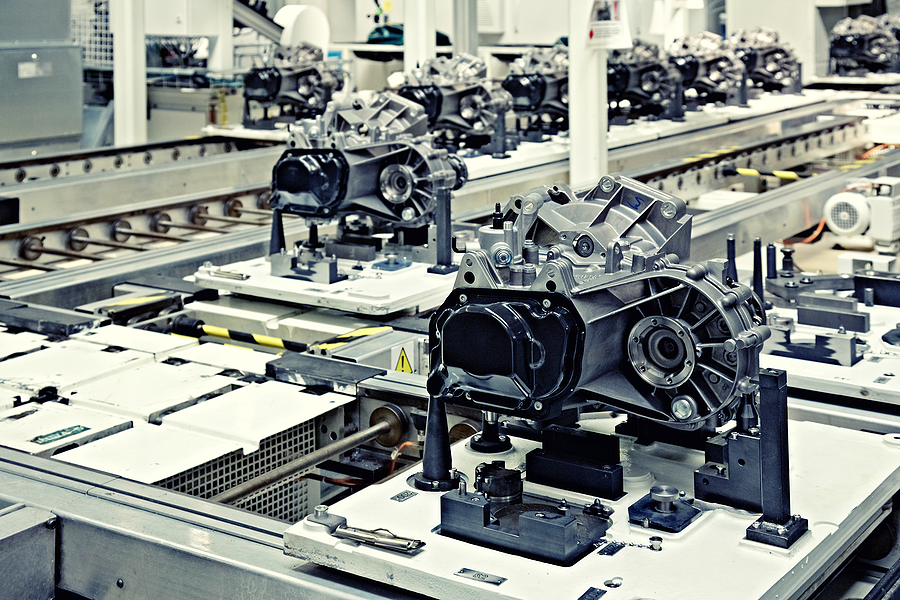
The High Price of Major Car Repairs: Engines to Converters

A sudden vehicle breakdown feels incredibly stressful, especially when your mechanic mentions a major component failure. Hearing that you need a new engine or transmission is enough to make anyone worry about their finances. These large auto parts are essential to your vehicle’s operation, and their replacement comes with a hefty price tag.

Knowing the average cost of replacement car parts can help you make a smart financial decision. Sometimes, fixing a severely damaged vehicle makes sense. In other cases, the repair bill far exceeds the car’s actual value. This guide outlines the expenses associated with the most expensive automotive repairs—transmissions, engines, and catalytic converters—so you know exactly what to expect.

Navigating Major Car Repairs in Louisville

Why Large Auto Parts are So Expensive

When you receive a repair estimate for thousands of dollars, it is natural to wonder where all that money goes. The total cost reflects several distinct factors working together to drive up the price.

Complexity of Components

Modern vehicles are highly advanced machines. Parts like transmissions and engines contain hundreds of precision-engineered moving pieces and sophisticated computer sensors. Manufacturing these complex components requires specialized materials and intensive labor, which directly increases their retail price.

Labor Costs for Installation

Removing an old engine and installing a new one is not a quick job. It often takes a skilled mechanic 10 to 20 hours to complete the work. With the average mechanic labor rate currently ranging between $100 and $200 per hour across the United States, labor alone can easily add thousands of dollars to your final bill.

Supply Chain and Scarcity

Global supply chain shifts consistently impact the automotive industry. When raw materials become scarce or shipping costs rise, manufacturers pass those expenses down to the consumer. Additionally, finding specialized parts for older or less common vehicles can be difficult, driving the price up even further.

Breaking Down the Costs: Transmissions

Your transmission is responsible for shifting gears and transferring power from the engine to the wheels. When it fails, your car simply cannot drive.

Types of Transmissions and Their Impact on Price

The type of transmission in your vehicle heavily influences the replacement cost. Traditional manual transmissions are generally the most affordable to replace, often falling on the lower end of the pricing spectrum. Automatic transmissions and Continuously Variable Transmissions (CVTs) require more complex internal mechanisms, making them significantly more expensive to swap out.

New vs. Rebuilt vs. Used Transmissions

You have a few options when sourcing a replacement. A brand-new transmission straight from the manufacturer will cost the most, usually between $3,000 and $8,000 depending on the vehicle. A rebuilt transmission—where worn internal parts are replaced with new ones—offers a reliable middle ground. Used transmissions sourced from salvage yards are the cheapest option, but they come with shorter warranties and a higher risk of future failure.

Factors Affecting Transmission Replacement Costs

Beyond the part itself, other variables impact your final bill. Luxury vehicles, heavy-duty trucks, and European models typically require specialized labor and more expensive parts. The geographic location of your repair shop also plays a role, as labor rates tend to be higher in major metropolitan areas.

The Heart of the Car: Engine Replacement Costs

The engine is the most vital component of your vehicle. Replacing it is one of the most labor-intensive and expensive repairs you can undertake.

Engine Types and Their Price Differences

A small four-cylinder engine will cost substantially less to replace than a massive V8 truck engine. Furthermore, hybrid vehicles feature complex powertrains that integrate traditional gas engines with high-voltage electrical systems. Replacing hybrid components often requires specialized training and equipment, which increases the total repair cost.

The Cost of New, Remanufactured, or Used Engines

A brand-new crate engine can cost anywhere from $4,000 to over $10,000. Remanufactured engines, which are restored to factory specifications, typically range from $2,500 to $5,000. Used engines are more affordable, often costing between $1,500 and $3,000, but their reliability heavily depends on the previous owner’s maintenance habits.

What Drives Engine Replacement Expenses

The sheer amount of labor required to hoist an engine out of a vehicle frame drives up costs. Mechanics must carefully disconnect wiring harnesses, exhaust systems, and cooling lines. Once the new engine is seated, they have to reconnect and calibrate everything to ensure the vehicle runs safely.

Catalytic Converters: A Costly Necessity

A catalytic converter is a vital emissions control device that transforms harmful exhaust gases into safer pollutants before they leave your tailpipe.

The Role of Catalytic Converters and Their Value

These devices use precious metals—like platinum, palladium, and rhodium—to create the necessary chemical reactions. Because these metals are highly valuable on the global market, the manufacturing cost of a catalytic converter is naturally high.

Theft and Replacement Costs

The valuable metals inside catalytic converters make them a prime target for thieves. Criminals can slide under a car and saw off a converter in less than two minutes. If you fall victim to converter theft, a replacement typically costs between $2,100 and $2,500, including parts and labor.

OEM vs. Aftermarket Converters

Original Equipment Manufacturer (OEM) converters match the exact specifications of your vehicle and offer the best performance, but they often cost over $1,500 for the part alone. Aftermarket converters are much cheaper, sometimes costing as little as $300 to $800. However, aftermarket options may not last as long or meet the strict emissions standards required in certain states like California or New York.

Saving Money on Big Car Part Replacements

Dealing with expensive auto repairs is never pleasant, but you can take steps to manage the financial impact.

Preventative Maintenance Strategies

The best way to handle costly repairs is to prevent them from happening in the first place. Regularly changing your engine oil and transmission fluid keeps these complex systems lubricated and cool. Following your manufacturer’s recommended maintenance schedule significantly extends the lifespan of your large auto parts.

The Value of Certified Mechanics

Always hire a certified, reputable mechanic for major repairs. A skilled technician gets the job done correctly the first time, preventing secondary issues that could cost you more down the road. They can also accurately diagnose whether a part needs a total replacement or just a minor repair.

Considering Used Parts and Salvage Yards

If a new engine or transmission is completely out of your budget, reputable auto recyclers are a great resource. Many salvage yards test their used parts and offer limited warranties. This route can save you thousands of dollars, provided you work with a trusted mechanic for the installation.

FAQ Section

Is it cheaper to replace or repair an engine?

Repairing an engine is usually cheaper than a full replacement, provided the damage is limited to specific parts like a blown head gasket or faulty sensors. However, if the engine block is cracked or internal components are severely damaged, a complete replacement is often the safest and most cost-effective long-term solution.

How long do catalytic converters last?

Under normal driving conditions, a catalytic converter should last at least 10 years or 100,000 miles. Many last the entire lifetime of the vehicle. Poor engine maintenance, such as running a rich fuel mixture or ignoring misfires, can cause the converter to fail prematurely.

Can I replace a transmission myself?

Replacing a transmission requires heavy lifting equipment, specialized tools, and extensive automotive knowledge. Due to the high risk of personal injury and potential damage to the vehicle, you should leave transmission replacements to professional mechanics.

Making Informed Decisions About Major Car Repairs

Facing the massive cost of a new engine or transmission requires careful financial consideration. If the repair bill is higher than the Kelley Blue Book value of your vehicle, investing that money into a functioning car is often the wiser choice.

If your vehicle has reached the end of its life, you can still get value out of it. Scrap your totaled car for instant cash in Louisville, Kentucky. GC’s Junk Cars offers free towing and a hassle-free process. Get your offer today and turn your major car problem into immediate cash.

Call Now to Get Started

Related Post: Maximize Cash for Salvage Car Parts in Louisville

What is Your Clunker Worth? Calculating a Junk Car’s ACV

A broken-down vehicle taking up space in your driveway can be a significant source of stress. You know the car has some financial worth, but figuring out a fair asking price often feels overwhelming. The Actual Cash Value (ACV) of a junk car is essentially what a willing buyer will pay for the vehicle in its current, as-is condition.

For a standard, drivable used vehicle, the ACV typically means the replacement cost minus depreciation. For a scrap or salvage vehicle, this figure shifts entirely. Buyers look heavily at the current market rate for scrap metal, the weight of the vehicle, and the demand for its salvageable parts.

Knowing how to determine this value empowers you to negotiate effectively and avoid lowball offers. By familiarizing yourself with the appraisal process, you can confidently turn that old eyesore into usable cash.

Calculating Junk Car Actual Cash Value

Factors Determining Your Junk Car’s ACV

The value of a scrap vehicle is rarely a flat rate. Buyers look at several specific details before making a cash offer.

Make, model, and year

The type of vehicle you drive heavily influences its scrap value. Heavier vehicles, like large trucks and SUVs, contain significantly more steel and aluminum than compact cars. Because scrap yards pay by the ton for metal, a heavier curb weight directly translates to a higher baseline payout. Furthermore, specific makes and models have a higher demand for replacement parts. If you own a popular model known for specific mechanical failures, salvage yards might pay a premium just to harvest the working parts from your vehicle.

Vehicle condition beyond “junk”

A car might be considered “junk” because it failed a state inspection or requires an expensive engine repair. However, the remaining condition of the vehicle still matters. A car with an intact transmission, working alternator, and pristine interior components will fetch a higher price than a rusted shell that has been sitting in a field for a decade. Intact catalytic converters are especially valuable due to the precious metals they contain.

Market demand for parts and scrap metal

Scrap metal is a global commodity, and prices fluctuate based on international supply and demand. Steel scrap prices can vary from month to month. If the global demand for recycled steel drops, the cash offer for your junk car will likely decrease as well. Salvage yards must factor these shifting commodity prices into their buying formulas to maintain their profit margins.

Location and local scrap prices

Your geographic location plays a major role in the ACV of your vehicle. Scrap metal prices in Kentucky will differ from those in California due to local competition, regional demand, and the proximity to major metal recycling facilities. Towing distance also eats into your final payout. If you live fifty miles away from the nearest salvage yard, the buyer will likely deduct the cost of fuel and labor from your cash offer.

How to Calculate Your Junk Car’s Actual Cash Value

Figuring out the exact dollar amount requires a bit of research. Here are the most effective ways to estimate your payout.

Online valuation tools: A starting point

Platforms like Kelley Blue Book and Edmunds are excellent resources for pricing running, drivable vehicles. For non-running cars, specialized online junk car buyers and scrap calculators can provide a more accurate baseline. By entering your vehicle identification number (VIN) or your make, model, and condition, these tools generate an instant automated quote based on current regional scrap data.

Professional appraisals: When to get one

Most standard junk cars do not require a formal, paid appraisal. However, if your vehicle is a classic car, an antique, or heavy commercial machinery, a professional appraiser can help. These experts identify rare parts and historical value that a standard scrap yard might overlook.

Local salvage yards and dealers: Getting quotes

The most reliable way to find your vehicle’s true local ACV is to call multiple junk car buyers in your area. Describe the condition of the car honestly, noting any missing parts, major damage, or severe rust. Gathering three to five different quotes gives you a clear picture of the going rate in your specific county.

Maximizing the Return on Your Salvage Vehicle

You can take a few simple steps to ensure you get the absolute highest offer possible before the tow truck arrives.

Basic cleaning and documentation

While you do not need to detail a junk car, removing all personal belongings and garbage makes the transaction smoother. More importantly, have your paperwork ready. Having a clean title in your name proves ownership and allows the scrap yard to process the vehicle legally. Selling a car without a title often results in a significantly lower payout because of the extra administrative hurdles involved.

Removing valuable parts

If you have the mechanical skill and the necessary tools, you might make more money dismantling certain pieces yourself. Nearly new tires, expensive aftermarket stereo systems, and GPS units can be sold independently to private buyers. Just keep in mind that stripping too many parts will lower the final scrap quote from the salvage yard.

Selling to the right buyer

Evaluate your offers carefully. A local scrap yard might offer the best price for a completely totaled vehicle. An auto dismantler might pay more for a car with a blown engine but an immaculate body. Choose the buyer whose business model best aligns with the specific condition of your car.

Frequently Asked Questions About Junk Car ACV

Do I need a title to scrap my car?

Having a title makes the process easiest and yields the highest payout. Some buyers will accept a vehicle with just a registration and driver’s license, but they usually offer less money due to the legal risks and extra paperwork.

Will I get paid more if I drive the car to the yard?

Yes. If your vehicle is safe to drive, delivering it yourself saves the buyer the expense of dispatching a tow truck. They will typically pass those fuel and labor savings on to you in the form of a higher cash offer.

How long are cash offers valid?

Because scrap metal prices change daily, most quotes from salvage yards are only guaranteed for a few days to a week.

Getting the Best Price for Your Vehicle

Selling a broken-down vehicle does not have to be a frustrating process. By researching current scrap metal trends, assessing the usable parts on your car, and gathering multiple local quotes, you can confidently determine a fair price. Preparing your documentation in advance ensures a seamless transaction, allowing you to quickly convert an unwanted liability into immediate cash.

Are you ready to clear up your driveway and get paid for your old vehicle? We make the selling process incredibly easy for local residents. Contact us today for a free junk car appraisal in Louisville, Kentucky. We provide fair, transparent quotes and pay cash on the spot, regardless of your vehicle’s age or condition.

Call Now for Your Offer

Related Post: Cash for Clunkers: Get Maximum Value for Your Junk Car

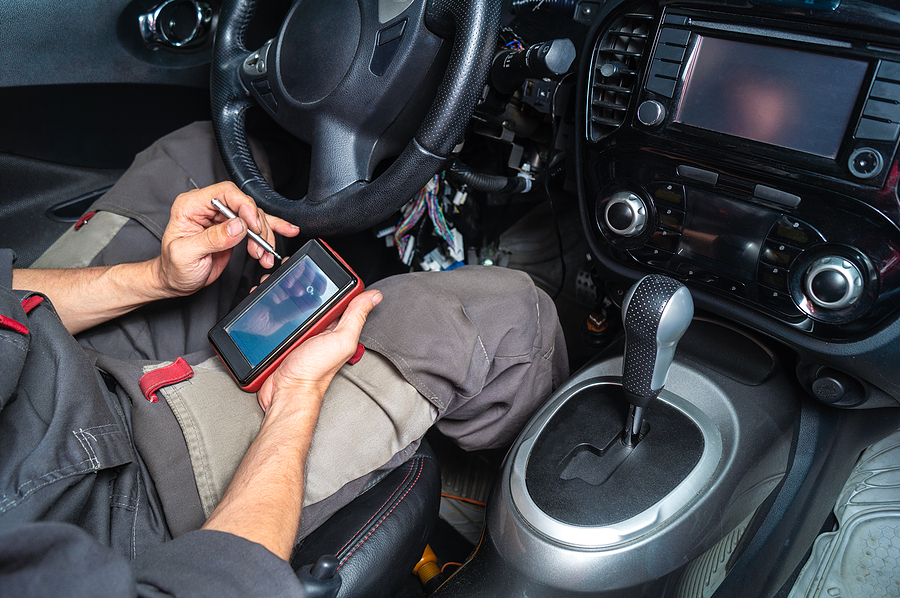
Stop Ignoring That Check Engine Light: Perks of OBD-II Scanners

Seeing the check engine light suddenly illuminate on your dashboard often brings an immediate sense of dread. Your mind races with questions about potential repair costs and how long your car will be stuck in the shop. A glowing engine indicator represents a frustrating unknown, leaving you feeling powerless over your own vehicle.

An On-Board Diagnostics (OBD-II) scanner offers a simple solution to this common anxiety. This compact device plugs directly into your car’s computer system, reading the data and translating warning lights into clear, actionable information. Since 1996, all gas-powered cars manufactured in the United States have featured an OBD-II port, making this technology highly accessible for everyday drivers.

Having an OBD-II scanner is a practical step toward maintaining your vehicle properly. It allows you to understand exactly what your car needs before a minor hiccup becomes a major breakdown. We will explore the top advantages of keeping one of these handy diagnostic tools in your garage, helping you take charge of your car’s overall well-being.

OBD2 Scanner Deliver Bad News? Call 502-804-5605 to Scrap Your Car in Louisville Kentucky.

Top Advantages of personal OBD-II Scanner Ownership

Owning a scanner provides immediate benefits that improve your driving experience and ease your financial worries. Gaining direct access to your car’s internal computer system puts you in the driver’s seat of your vehicle’s maintenance plan.

Immediate diagnostic capabilities

When an issue arises, time is of the essence. A personal scanner gives you the power to decode check engine lights the moment they appear. Instead of wondering if the problem is a loose gas cap or a failing catalytic converter, you receive a specific Diagnostic Trouble Code (DTC).

This immediate feedback helps you pinpoint specific issues accurately. You can quickly determine if the vehicle is safe to drive or if you need to pull over and call a tow truck immediately.

Cost savings on car maintenance

Taking your car to a mechanic for a simple diagnostic check often costs anywhere from $50 to $150 just to read the codes. An entry-level scanner pays for itself after a single use. By reading the codes yourself, you avoid unnecessary auto shop visits for trivial issues you can easily fix at home.

Furthermore, this knowledge empowers DIY repairs. If the scanner indicates a faulty mass airflow sensor or a misfiring spark plug, you can purchase the part and replace it yourself using a quick online tutorial. Even if the repair requires a professional, knowing the exact problem beforehand prevents dishonest shops from upselling you on services you do not need.

Enhanced vehicle understanding

Your car generates a massive amount of data while running. Many modern OBD-II scanners allow you to monitor real-time vehicle data directly from your smartphone. You can view metrics like coolant temperature, fuel trim, and engine RPMs as you drive.

Tracking performance and efficiency over time helps you notice subtle changes in your engine’s behavior. A sudden drop in fuel efficiency might indicate an aging oxygen sensor, allowing you to address the part before it fails completely.

Improved safety and reliability

Preventative maintenance is the cornerstone of road safety. An OBD-II scanner enables proactive problem detection, catching minor faults before they escalate into dangerous situations on the highway.

Consistently monitoring your car’s health ensures road-worthiness. You gain peace of mind knowing your vehicle’s emissions, engine, and safety systems are functioning exactly as intended.

Choosing the Right OBD-II Scanner for You

The market offers a wide variety of diagnostic tools tailored to different skill levels and budgets. Selecting the right device depends on how deeply you want to inspect your vehicle’s systems.

Types of scanners: Basic vs. advanced

Basic code readers are affordable, straightforward tools designed to read and clear engine codes. They are perfect for beginners who simply want to know why the engine light is on.

Advanced diagnostic tools offer deeper insights. They can access systems beyond the engine, such as the Anti-lock Braking System (ABS), airbags (SRS), and transmission data. Some newer, advanced models from brands like Autel even offer compatibility with electric and hybrid vehicles, a crucial feature as automotive technology evolves.

Key features to consider

When shopping for an OBD-II scanner, you will want to look for specific functionalities that match your technical comfort level.

  • Live data streaming: This feature lets you watch engine sensors operate in real-time, helping you catch intermittent issues that do not trigger a permanent code.
  • Manufacturer-specific codes: Some vehicles produce proprietary codes that generic scanners cannot read. Ensure your chosen tool can interpret the specific data points for your car’s make and model.
  • User-friendly interface: Many modern scanners operate via Bluetooth, sending data directly to an app on your smartphone. These apps often feature intuitive layouts and provide plain-English explanations of complex codes.

How to Use Your OBD-II Scanner Effectively

Using a diagnostic scanner might sound intimidating, but the process is quite simple. You can retrieve valuable engine data in just a few minutes.

Connecting and scanning

First, locate the OBD-II port in your vehicle. It is typically found under the dashboard, right beneath the steering wheel column. Once located, firmly plug the scanner into the port.

Next, turn your car’s ignition to the “ON” position without starting the engine. This powers the vehicle’s electrical system so the scanner can communicate with the computer. Follow the prompts on the scanner’s screen or your mobile app to initiate the scan. Within seconds, the device will display any active or pending codes.

Interpreting diagnostic trouble codes (DTCs)

The scanner will provide an alphanumeric code, such as “P0420”. The first letter indicates the system with the issue (P stands for Powertrain). The following numbers identify the specific fault. Most Bluetooth scanners will automatically define the code for you on your screen. If you are using a basic reader, a quick internet search of the code alongside your vehicle’s make and model will reveal the exact problem.

Clearing codes responsibly

Your scanner will give you the option to clear the code and turn off the check engine light. However, clearing the code does not fix the physical problem. The light will inevitably return once the car’s computer runs its internal tests again. You should only clear codes after you have physically repaired the issue to verify that your fix was successful.

FAQs about OBD-II scanners

Are all OBD-II scanners compatible with every car?

Any car sold in the United States after 1996 will work with a standard OBD-II scanner for basic engine codes. However, if you drive a hybrid or fully electric vehicle, you may need to invest in a more advanced, specialized scanner designed to read hybrid battery systems and electric drivetrains.

Can an OBD-II scanner damage my car?

Basic code readers and standard Bluetooth scanners are completely safe. They passively receive data from the car’s computer and do not alter internal programming. You would only risk causing issues if you used high-end, bi-directional scanners to reprogram modules without proper mechanical training.

How often should I use my OBD-II scanner?

You should reach for your scanner the moment a warning light appears on your dashboard. Additionally, plugging it in every few months for a routine check—or right before a long road trip—can help you catch pending codes before they trigger a dashboard alert.

Taking Control of Your Vehicle’s Health

Understanding your car’s internal health brings a tremendous amount of comfort to your daily commute. An OBD-II scanner demystifies the check engine light, transforms expensive mechanic visits into manageable DIY projects, and keeps you safely on the road. By investing a small amount of money into a reliable diagnostic tool, you ensure your vehicle runs smoothly for years to come.

Ready to upgrade your ride or get rid of a clunker? Sell your old, junked car for cash on the spot in Louisville, Kentucky! Enjoy free towing and same-day service.

Place Your Call Right Now

Related Post: Dashboard Warning Lights: Your Complete Guide

How to Sell a Water-Damaged Car: A Complete Guide

Watching the water rise around your vehicle is a helpless and distressing experience. A submerged car brings severe financial stress and creates major safety hazards. Water ruins delicate electronics, destroys engines, and breeds hazardous mold in the upholstery.

Figuring out what to do with a flooded vehicle can feel incredibly overwhelming. Repairing a submerged car frequently costs more than the vehicle is actually worth. Because water damage is so extensive, many owners quickly realize that selling the vehicle is their most logical choice.

Navigating the sale of a totaled vehicle requires a solid understanding of the mechanical damage and the legal requirements involved. This guide will walk you through the process of assessing your flooded car, understanding state disclosure laws, and finding the best way to move forward with ease.

Call 502-804-5605 to Sell a Flooded Car in Louisville Kentucky

Assessing the Damage: Is Your Submerged Car a Total Loss?

Water acts fast, and the damage it causes to a vehicle is often permanent. When a car sits in deep water, the structural integrity and safety systems are deeply compromised. Insurance companies typically declare a flooded vehicle a total loss because the cost to completely restore it is astronomically high.

Determining the extent of the destruction is your first step. Even if the car starts up after drying out, severe problems usually lurk beneath the surface.

Identifying Mechanical, Electrical, and Interior Flood Damage

Different systems in your vehicle react poorly to submersion. Knowing what to look for will help you understand the true condition of your car.

Mechanical Damage: When water enters the engine cylinders, it causes a condition known as hydrolock. Attempting to start a hydrolocked engine bends the piston rods and destroys the motor entirely. Furthermore, floodwater mixes with the fluids in your transmission and brake lines, causing internal corrosion that will eventually lead to complete mechanical failure.

Electrical Damage: Modern cars rely heavily on complex electrical systems. Submersion shorts out the engine control module (ECM), airbag sensors, and infotainment systems. You might notice power locks failing, windows refusing to roll down, or erratic dashboard lights. Electrical gremlins often appear weeks or even months after the initial flood.

Interior Damage: Water soaks deep into the seat cushions, floor mats, and sound-deadening insulation. Within a few days, mold and mildew begin to grow. This creates a terrible odor and presents a serious respiratory hazard. Removing this damage completely requires stripping the interior down to bare metal.

Understanding Your Legal Obligations When Selling a Flooded Vehicle

Selling a water-damaged car requires strict adherence to state laws. Attempting to hide flood damage is illegal and can lead to severe penalties. In Kentucky, the laws regarding flooded vehicles are very clear to protect consumers. Under KRS 186A.530, the owner of a water-damaged vehicle must apply for a salvage certificate of title. Once processed, the state issues a title with the words “water damaged” clearly printed on the face of the document.

If you plan to sell the vehicle, you must disclose this title brand to any prospective buyer prior to the sale. If a licensed dealer sells a rebuilt or water-damaged vehicle, Kentucky law requires a specific sticker placed on the car featuring bold, 10-point type declaring the vehicle’s status.

For private sellers, the disclosure must be clearly acknowledged during the transaction. Failing to procure the buyer’s acknowledgment signature makes the sale voidable by the buyer within 45 days after the title issuance.

Options for Selling: Dealerships, Private Buyers vs. Junk Car Services

Once you have your salvage title in hand, you need to find a buyer. You generally have three main avenues, each with its own set of challenges.

First, you can approach local dealerships. Most traditional dealerships refuse to accept water-damaged vehicles as trade-ins. The liability is too high, and they cannot legally resell a flooded car on their standard used lot.

Second, you might try finding a private buyer. Selling a flooded car privately is incredibly difficult. Most everyday buyers lack the expertise to rebuild a submerged car and will walk away the moment they see a “water damaged” title brand. You also expose yourself to potential disputes if the buyer later claims you were not transparent about the vehicle’s condition.

Finally, you can work with a junk car buying service. These companies specialize in purchasing end-of-life, wrecked, and flooded vehicles. They understand the exact value of the scrap metal and usable parts, making them the most reliable option for offloading a totaled car.

Why Selling to a Specialized Junk Car Buyer is Your Best Bet

Dealing with a submerged car is stressful enough without the hassle of haggling with strangers or paying for expensive classified ads. A specialized junk car buyer simplifies the entire process. They buy vehicles exactly as they sit, meaning you do not need to attempt any repairs or pay for an expensive interior detailing job.

Getting Cash on the Spot for Your Water-Damaged Vehicle

Working with a reputable junk car buyer guarantees a fast, transparent transaction. You provide the details of your vehicle, present your branded title, and receive a guaranteed offer. Because they handle towing and transportation, you can clear out your driveway and walk away with cash in hand the very same day.

Frequently Asked Questions About Selling Flooded Cars

Can I dry out my car and sell it without a salvage title?

No. If your car was submerged in water and sustained significant damage, failing to report it and attempting to pass it off as a clean-title vehicle is a form of fraud. You must comply with state laws regarding title branding.

Will my insurance company cover a flooded car?

If you carry comprehensive auto insurance, flood damage is typically covered. Your insurance provider will evaluate the vehicle, likely declare it a total loss, and issue a payout based on the car’s actual cash value before the flood. The insurance company then usually takes ownership of the car and applies for the salvage title.

What happens if I keep my flooded car after an insurance payout?

You can choose to retain the vehicle after a total loss settlement. Your insurance payout will be reduced by the salvage value of the car. You must then apply for a salvage or water-damaged title yourself before you can legally sell the vehicle to a scrap yard or junk buyer.

Moving On From a Totaled Vehicle With Ease

A flooded car disrupts your daily routine and drains your energy. Understanding the extent of the mechanical ruin and your legal responsibilities ensures you navigate this difficult situation properly. By choosing the right selling method, you can resolve the issue quickly and focus on finding a reliable replacement vehicle.

If you are dealing with a submerged vehicle, we are here to help. Get a free junk vehicle offer in Louisville, Kentucky today. We pay cash on the spot and provide free towing, making the entire process completely effortless for you.

Call Our Buyers Now

Related Post: Is Your Car Totaled? Here’s How to Tell

Maximize Cash for Salvage Car Parts in Louisville

That old car sitting in your driveway might feel like a headache, but it could be worth more than you think. Salvage car parts hold real value—both financially and environmentally—and Louisville residents are well-positioned to cash in. Whether your vehicle was totaled in an accident, stopped running, or simply aged out of usefulness, the right approach to scrapping it can put significant money in your pocket.

This guide covers everything you need to know: which parts fetch the highest prices, how the scrapping process works, and what Kentucky law requires when you sell or junk a vehicle.

Call 502-804-5605 to Sell Salvage Car Parts in Louisville KY

Why Choose Salvage Car Parts?

Salvage parts offer a cost-efficient and environmentally responsible alternative to new components. For buyers, used auto parts can cost 50–80% less than new OEM parts—making them a smart choice for repairs. For sellers, those parts represent real cash value locked inside a vehicle that’s no longer roadworthy.

The environmental case is equally compelling. Recycling auto parts reduces the energy and raw materials needed to manufacture new components. Steel, aluminum, copper, and other metals recovered from scrap vehicles are melted down and reused across industries. Fluids like oil and coolant, when properly drained and disposed of, stay out of the groundwater. Scrapping your car the right way isn’t just good for your wallet—it’s good for Louisville’s environment.

How to Identify High-Value Scrap Parts

Certain components command significantly higher prices than others at salvage yards and scrap metal buyers. Knowing what you have under the hood—and under the car—can help you negotiate better and understand what your vehicle is worth before you hand over the keys.

  • Catalytic converters are among the most valuable scrap components due to the precious metals inside them (platinum, palladium, and rhodium). Thieves target them for this reason, and buyers are required by Kentucky law to verify ownership before purchasing one.
  • Engines and transmissions in good working condition can be worth hundreds to thousands of dollars, depending on the make, model, and mileage.
  • Aluminum wheels and rims fetch strong prices at scrap yards due to aluminum’s high recyclability.
  • Doors, hoods, and body panels from popular vehicle models are in steady demand, especially when undamaged.
  • Copper wiring and radiators are nonferrous metals that scrap yards weigh and pay for by the pound.
  • GPS units, infotainment systems, and sensors from newer vehicles can be resold individually.

Not sure what your car contains? A reputable local junk car buyer like GC’s Junk Cars can assess your vehicle and offer cash on the spot—no guesswork needed.

Steps to Scrap Your Car in Louisville

Scrapping a car in Louisville involves a few clear steps: preparing your vehicle, gathering the right paperwork, and working with a licensed buyer.

Here’s how the process typically works:

  1. Remove personal belongings. Check the glove box, trunk, and under seats before anything else.
  2. Gather your title. You’ll need the original vehicle title in your name to complete the transaction legally.
  3. Request a quote. Contact a local junk car buyer for a price estimate based on your vehicle’s year, make, model, and condition.
  4. Schedule a pickup. Most buyers, including GC’s Junk Cars, offer free scrap car towing directly from your location.
  5. Complete the title transfer. Sign the title over to the buyer. This releases you from any future liability for the vehicle.
  6. Receive payment. Cash on the spot is standard with reputable buyers.

Once the vehicle reaches a salvage yard, usable parts are catalogued and sold, and the remaining shell is crushed or processed for scrap metal.

Local Regulations for Auto Salvage

Kentucky law has specific requirements for junking a vehicle title and selling salvage components, particularly catalytic converters. Understanding these rules protects you legally and ensures the transaction goes smoothly.

Junking a Vehicle Title in Kentucky

The Kentucky Transportation Cabinet oversees vehicle title junking through Form TC 96-351 (Application to Junk a Vehicle Title). According to KYTC, this form applies specifically when a vehicle is damaged beyond resale value and will be sold to a junk yard for crushing or kept for parts only, per KRS 186A.295.

Importantly, this form should not be used if the vehicle will be sold to a salvage yard for parts or rebuilding—in that case, ownership must be transferred directly to the salvage or junk yard via a standard title transfer. The junked title permanently applies a salvage brand to the record, which can affect future registration eligibility across states.

Catalytic Converter Sales: What Kentucky Requires

Since Kentucky SB 114 took effect on July 13, 2022, buyers of catalytic converters face strict recordkeeping requirements under KRS 433.890. When you sell a catalytic converter to a scrap buyer or recycler, they are legally required to collect and retain:

  • A photocopy of your valid government-issued photo ID
  • The license plate number of the vehicle used to transport the converter
  • The date and time of the transaction
  • A description and weight of the item
  • The amount paid
  • Proof of ownership—either a junk title or an affidavit confirming you own the vehicle it came from

Sellers must be at least 18 years of age. The buyer must retain these records for a minimum of two years and is required to hold the physical property for three business days before processing it, unless a law enforcement officer authorizes earlier release.

Failure by a buyer to maintain these records is a Class B misdemeanor under KRS 433.892. This protects honest sellers too—it ensures the buyer you’re working with is operating legally.

Louisville Metro Licensing Requirements

Under Louisville Metro Code Chapter 114, any facility that stores, buys, or sells five or more junked, wrecked, or non-operative vehicles must be licensed by the Louisville Metro Solid Waste Management Department. Licensed facilities must meet operational standards including proper fluid drainage within 72 hours of receiving a vehicle, secure fencing, fire lane access, and safe storage of leaking or hazardous parts.

When choosing where to sell your vehicle or parts, confirm that the buyer holds a valid Louisville Metro dealer license. It’s a sign they operate above board and handle your transaction—and your vehicle—responsibly.

Frequently Asked Questions

How much can I get for scrapping a car in Louisville?

Prices vary depending on the vehicle’s weight, condition, and which parts are salvageable. Heavier vehicles with valuable components like a functioning engine or catalytic converter will fetch more. Contact GC’s Junk Cars for a free, no-obligation quote based on your specific vehicle.

Do I need my title to sell a junk car in Louisville?

Yes. A valid title in your name is required to legally transfer ownership of the vehicle. Without it, most licensed buyers cannot complete the purchase.

Will someone come pick up my car?

Yes. GC’s Junk Cars offers free towing and pickup across Louisville, KY. You don’t need to arrange transport—they come to you.

Can I sell individual parts instead of the whole car?

Absolutely. If your vehicle has specific high-value components in good condition, you may be able to sell parts separately before scrapping the rest. Talk to a buyer about your options.

What happens to my car after I sell it?

A licensed salvage yard will drain fluids safely, remove and catalog usable parts for resale, and send the remainder to be crushed and recycled as scrap metal.

Turn Your Old Car Into Cash Today

Scrapping a vehicle in Louisville doesn’t have to be complicated. With the right paperwork, a licensed buyer, and a basic understanding of what your car is worth, the process is straightforward—and financially rewarding. High-value parts like catalytic converters, engines, and aluminum components add up quickly, and even a vehicle with no running parts still has scrap metal value.

Ready to get paid? GC’s Junk Cars buys junk cars and salvage parts in Louisville, KY, and pays cash on the spot. Call today for a free quote and free pickup—no hassle, no waiting.

Place Your Call Now

Related Post: Don’t Trash That Car Battery! A Guide to Safe Disposal in Louisville

Seeking Out the Best Junk Truck Buyers in Louisville, KY

TL;DR: Selling a junk truck in Louisville doesn’t have to be complicated. Reputable buyers offer cash on the spot and free towing, handle the title paperwork correctly under Kentucky law, and are fully licensed through the state’s Motor Vehicle Commission. Read on to learn exactly how the process works, what your truck is worth, and how to avoid common pitfalls.

Key Takeaways:

  • Reputable Louisville junk truck buyers are licensed as Restricted/Automotive Recycling Dealers by the Kentucky Motor Vehicle Commission
  • Kentucky law requires the seller to sign the title in front of a notary before transferring ownership
  • Title transfer must be completed within 15 days of the sale
  • Your truck’s value depends on its year, make, model, condition, and current scrap metal prices
  • Legitimate buyers pay cash on the spot and provide free towing—no hidden fees

Table of Contents:

  1. How to Find Reputable Junk Truck Buyers in Louisville
  2. What Is Your Junk Truck Worth?
  3. Benefits of Cash for Junk Trucks
  4. The Step-by-Step Selling Process
  5. Frequently Asked Questions
  6. Quick Recap & Conclusion
  7. Sell a Junk Truck Today
Call 502-804-5605 to Get a Free Quote From a Reputable Junk Truck Buyer in Louisville KY

How to Find Reputable Junk Truck Buyers in Louisville

Start by verifying that the buyer holds a valid license. In Kentucky, businesses that dismantle, salvage, or recycle vehicles must obtain a Restricted/Automotive Recycling Dealer license from the Kentucky Motor Vehicle Commission. This license requires a permit to operate a salvage or recycling yard from the Kentucky Department of Highways, a zoning compliance statement, and commercial general liability insurance. Unlicensed buyers are operating outside the law—a red flag you should never ignore.

Beyond licensing, look for these signs of a trustworthy buyer:

  • Transparent pricing: A reputable buyer will give you a firm quote before the tow truck arrives—no bait-and-switch pricing at pickup
  • Free towing: Legitimate cash-for-trucks services cover towing costs; buyers who tack on surprise towing fees after the fact are a common scam
  • Clear payment method: Cash or a verifiable check paid on the spot is standard practice; be cautious of buyers asking you to accept payment through gift cards or peer-to-peer apps like Venmo or Cash App, which the Kentucky Attorney General’s office flags as hallmarks of consumer fraud
  • Positive reviews: Check Google, the Better Business Bureau, and local community forums for consistent feedback on fair pricing and professionalism
  • Physical business address: A licensed dealer must maintain an established commercial location—not just a phone number and a website

Ready to sell your junk truck in Louisville? Get a free, no-obligation appraisal and cash offer today. We pay cash on the spot and provide free towing—call us now to get started.

What Is Your Junk Truck Worth?

The value of a junk truck depends on several factors working together.

Vehicle details matter most. Year, make, model, and trim level determine the availability and demand for salvageable parts. A 2015 Ford F-250 with a reusable engine and transmission will fetch significantly more than a stripped-out 1998 pickup of the same make.

Condition affects both parts and scrap value. Buyers evaluate whether the truck still runs, the state of the engine and drivetrain, body panel condition, and the completeness of major components. Even a non-running truck can hold real value if its parts are intact.

Scrap metal prices fluctuate. Because most junk trucks are ultimately processed for their steel and aluminum content, commodity prices on the scrap market directly influence your offer. When metal prices are high, so are payouts.

Mileage plays a role. Lower mileage often means less wear on key components, which increases the likelihood a buyer can resell those parts—boosting your offer accordingly.

To get the most accurate estimate, have your VIN, current mileage, and a brief description of any known mechanical issues ready when you contact a buyer.

Benefits of Cash for Junk Trucks

Selling to a cash-for-trucks buyer in Louisville offers advantages that private sales and dealership trade-ins simply cannot match. Here’s some benefits worth mentioning:

  • Speed. Most transactions complete within 24 to 48 hours of your initial quote. There’s no waiting for a private buyer to secure financing or a dealership to process an appraisal.
  • Convenience. You don’t need to advertise the truck, field calls from strangers, or arrange test drives. The buyer comes to you, loads the truck, and pays you on the spot.
  • No repair costs. Junk truck buyers accept vehicles in any condition—running or not, damaged or complete. You sell the truck as-is, without spending a dollar on repairs or detailing.
  • Free towing. Reputable scrap car buyers in Louisville include towing in the transaction at no cost to you. That alone saves you hundreds of dollars compared to arranging your own transport.
  • Environmental responsibility. Licensed automotive recyclers properly handle fluids, dispose of hazardous materials, and recycle usable components—keeping harmful waste out of Louisville’s waterways and landfills.

The Step-by-Step Selling Process

Knowing what to expect keeps the transaction smooth and protects you legally.

Step 1: Gather Your Documents

You’ll need the original Kentucky title for the truck. If there is an outstanding lien, it must be released before the title can transfer. If your title was printed before March 1, 2000, you’ll also need to complete Kentucky form TC96-182 (Application for Certificate of Title or Registration).

Step 2: Get Multiple Quotes

Contact two or three licensed buyers in Louisville and provide your truck’s year, make, model, mileage, and condition. Compare offers—legitimate buyers like GC’s Junk Cars will give you a firm quote over the phone or online.

Step 3: Accept an Offer and Schedule Pickup

Once you’ve accepted an offer, the buyer will arrange a towing pickup at a time convenient to you. Reputable services offer same-day or next-day pickup.

Step 4: Sign the Title in Front of a Notary

This step is critical under Kentucky law. The seller must sign the back of the title in the presence of a notary. Skipping notarization can create legal and tax complications for both parties. If the title is already signed without notarization, you may need to provide an affidavit with corrected information.

Step 5: Receive Payment

Payment—typically cash or a verifiable check—is made at the time of pickup. Never hand over a signed title before receiving payment.

Step 6: Complete the Transfer Within 15 Days

Kentucky requires the title to be transferred to the new owner within 15 days of the sale. The buyer takes the signed, notarized title to their county clerk’s office to complete the transfer. As the seller, you remain legally liable for the vehicle until that transfer is finalized—so confirm with the buyer that they will complete this step promptly.

Don’t let that old pickup sit any longer. Our Louisville team provides free junk truck appraisals, cash on the spot, and free towing anywhere in the area. Request your free offer now.

Frequently Asked Questions

Do I need a title to sell my junk truck in Louisville?

In most cases, yes. Kentucky law requires a signed, notarized title to complete a legal transfer of ownership. If your title is lost, you can apply for a duplicate at your local county clerk’s office using form TC96-182, a photo ID, and your title or license plate number. The duplicate title fee is $6.00 plus notary costs.

What if my truck has an outstanding loan?

You must obtain a lien release from your lender before the title can be transferred. Contact your lender early in the process—this step can sometimes take several days to complete.

Will the buyer tow the truck even if it doesn’t run?

Yes. All reputable cash-for-junk-trucks buyers in Louisville include free towing for non-running vehicles. This is a standard part of the service, not an add-on.

How quickly will I get paid?

Payment is made at the time of pickup. You should have cash or a check in hand before the truck leaves your property.

Are there any fees I should expect?

None—if the buyer is legitimate. Towing, paperwork, and pickup are included. If a buyer quotes you a price and then deducts fees at pickup, walk away.

What happens to my truck after the sale?

Licensed automotive recyclers assess each vehicle for salvageable parts, drain and dispose of fluids according to environmental regulations, and process the remaining materials—primarily steel—for recycling.

Quick Recap:

  • Verify that your buyer holds a Kentucky Restricted/Automotive Recycling Dealer license
  • Avoid buyers who offer payment via gift cards or peer-to-peer apps
  • Your truck’s value is shaped by its year, make, model, condition, mileage, and current scrap prices
  • Gather your original title and any lien release documents before scheduling pickup
  • Sign the title in front of a notary—this is a legal requirement in Kentucky
  • Title transfer must be completed within 15 days of the sale
  • Reputable buyers pay cash on the spot and tow for free, with no hidden fees

Conclusion

Selling your truck can feel like a complex process, but with the right preparation and understanding, it can be seamless and stress-free. By following the steps outlined above, you ensure a safe, efficient, and legally-compliant transaction, giving you peace of mind. Always partner with a trustworthy buyer and stay informed about local requirements to make the experience as smooth as possible.

Turn Your Junk Truck Into Cash Today

Selling a junk truck in Louisville is straightforward when you know what to look for and how the process works. Choose a licensed, reputable buyer, protect yourself with proper title paperwork, and you’ll walk away with cash in hand and the hassle behind you.

Get your free junk truck appraisal and cash offer in Louisville today. We pay cash on the spot and provide free towing anywhere in the area—no hidden fees, no hassle.

Call Us Now

Related Post: How to Sell a Scrap Pickup Truck for the Best Price

Dashboard Warning Lights: Your Complete Guide

It happens to the best of us. You’re driving along, singing to the radio, when suddenly a symbol illuminates on your dashboard. Your stomach drops. Is it serious? Can you make it home, or do you need to pull over immediately?

Modern vehicles are equipped with complex sensors that monitor everything from tire pressure to engine combustion. When something isn’t right, your car tries to communicate with you through these dashboard symbols. While it feels stressful, these lights are actually helpful tools designed to keep you safe and prevent expensive repairs.

Ignoring these signals can lead to catastrophic failure, but understanding them gives you the power to make smart decisions. This guide breaks down the most common warning lights, decoding the cryptic symbols so you can drive with confidence and peace of mind.

TL;DR and Key Takeaways:

If you are in a rush, here is the quick summary of what you need to know about dashboard symbols:

  • Color Matters: Red means stop immediately; yellow means caution/check soon; green or blue means a system is active.
  • Check Engine: This can range from a loose gas cap to a serious engine misfire. Do not ignore it.
  • Oil & Brakes: These are critical safety warnings. If these lights turn red, pull over safely and call for help.
  • Don’t Panic: Most yellow lights allow you to drive to a mechanic, but red lights usually require a tow.

Table of Contents:

  1. What Do Dashboard Light Colors Mean?
  2. Why is My Check Engine Light On?
  3. What Does the Oil Pressure Light Indicate?
  4. Is Your Brake System Warning Light Glowing?
  5. Why is the Battery Alert Light Flashing?
  6. Frequently Asked Questions
  7. Quick Recap
  8. Turn Your Old Car Into Cash
Warning Lights on a Car Dashboard

What Do Dashboard Light Colors Mean?

The first step in diagnosing a dashboard light is simply looking at the color. Automakers follow a traffic light logic that is universal across most brands.

Green or Blue: Systems Active

These are not trouble lights. They simply indicate that a system is currently on and working. Common examples include your headlights, high beams, or cruise control. You can keep driving normally.

Yellow or Orange: Caution Required

A yellow or orange light indicates that a non-critical component needs attention. Your car is still safe to drive, but you should inspect the vehicle or schedule an appointment with a mechanic soon. Ignoring a yellow light often leads to a red light later.

Red: Stop Immediately

A red light indicates a severe safety issue or a critical mechanical failure. Driving with a red warning light can destroy your engine or put your life at risk. If you see red, pull over safely and turn off the engine.

Why is My Check Engine Light On?

Your vehicle’s onboard computer has detected a problem with the engine or emissions system. The “Check Engine” light (often shaped like a stylized engine block) is the most ambiguous symbol on the dash. It connects to the On-Board Diagnostics (OBD) system and can be triggered by hundreds of different error codes.

One of the most common—and easiest—fixes is a loose gas cap. If the cap isn’t tightened until it clicks, the system detects a vapor leak and triggers the light. However, other common culprits include:

  • Oxygen Sensor Failure: This sensor measures unburned oxygen in your exhaust. If it fails, your gas mileage will drop.
  • Catalytic Converter Issues: This is an expensive car part that reduces exhaust gases. It often fails if other maintenance issues are ignored.
  • Spark Plug/Ignition Coil Issues: If your engine feels like it is stuttering or “misfiring,” this is likely the cause.

If this light is steady yellow, you can drive to a shop. If it is flashing red, stop driving immediately to avoid permanent engine damage.

What Does the Oil Pressure Light Indicate?

Your engine has lost oil pressure, meaning internal components are not being lubricated properly. This is arguably the most dangerous light for your car’s health. It usually looks like an old-fashioned oil can with a drop leaking from the spout. Without proper oil pressure, metal parts inside your engine grind against each other, creating massive friction and heat.

If this light comes on, it could mean your oil level is critically low, or it could mean the oil pump has failed. Do not try to drive to the nearest service station. Pull over immediately and check your oil dipstick. If the oil is full but the light stays on, call a tow truck. Running the engine for even a few minutes with this light on can result in total engine seizure.

Is Your Brake System Warning Light Glowing?

Your parking brake is engaged, your brake fluid is low, or there is a malfunction in the braking system. Seeing a red exclamation mark inside a circle (or the word BRAKE) can be alarming. First, check the obvious: is your handbrake or parking brake engaged? Even if it is only slightly up, the light will trigger.

If the parking brake is off and the light remains, check your brake fluid reservoir. Low fluid often indicates worn-out brake pads or a leak in the hydraulic lines. If the pedal feels “spongy” or sinks to the floor, do not drive the car. Your ability to stop is compromised.

Why is the Battery Alert Light Flashing?

The vehicle is running only on battery power because the charging system (alternator) is not working. Many drivers assume this symbol (a rectangle with plus and minus signs) means they need a new battery. While that is possible, it usually indicates that the alternator—the part responsible for charging the battery while you drive—has failed or a drive belt has broken.

Your car will continue to run for a short time on the remaining energy stored in the battery, but once that drains, the engine will die and will not restart. Turn off all non-essential electronics (radio, A/C, heated seats) and drive immediately to the nearest repair shop.

Frequently Asked Questions

What does the TPMS light mean?

The Tire Pressure Monitoring System (TPMS) light looks like a horseshoe with an exclamation point. It means one or more of your tires is significantly under-inflated (or over-inflated). Check your tire pressure as soon as possible to prevent a blowout.

Why is the “Traction Control” light on?

This usually looks like a car with squiggly lines behind it. If it flashes while you are driving on rain or snow, it means the system is working and helping you maintain grip. If it stays on constantly, the system may have a malfunction or has been manually turned off.

What is the ABS light?

The Anti-lock Braking System (ABS) prevents your wheels from locking up during a panic stop. If the ABS light is on, your normal brakes will still work, but the anti-lock safety feature is disabled. You should get it checked, especially before winter driving.

Quick Recap:

  • Green/Blue: System active (All good).
  • Yellow: Caution (Check soon).
  • Red: Danger (Stop now).
  • Check Engine: Emissions or engine trouble (Check gas cap first).
  • Oil Can: Low oil pressure (Stop engine immediately).
  • Battery: Charging system failure (Go to shop immediately).
  • Brake Light: Parking brake on or fluid low.

Turn Your Old Car into Cash

Sometimes, a dashboard lighting up like a Christmas tree is a sign that your vehicle has reached the end of the road. If the cost of repairs exceeds the value of the car, it might be time to let it go.

Don’t let a breakdown ruin your day or your bank account. If you are dealing with constant mechanical issues or a car that just won’t start, we can help. We offer fast, hassle-free junk car removal in Louisville. We will pick up your vehicle and pay you cash on the spot, regardless of its condition.

Get Cash for Your Car in Louisville Today

Related Post: Decoding the Mystery of the Check Engine Light

Don’t Trash That Car Battery! A Guide to Safe Disposal in Louisville

You turn the key, and instead of a roar, you get a click. It’s a sound every driver dreads—the telltale sign of a dead car battery. While replacing it is often a quick fix, getting rid of the old one requires a bit more thought. Unlike an empty soda can or a cardboard box, you can’t just toss a lead-acid battery into your curbside recycling bin and forget about it.

Car batteries are powerful energy sources that contain hazardous materials. When disposed of incorrectly, they pose significant risks to our environment and community health. For residents of Louisville, understanding the proper way to handle this waste isn’t just a matter of civic duty—it’s the law.

Navigating the rules of hazardous waste can feel overwhelming, but it doesn’t have to be. Whether you’re a DIY mechanic or just a driver trying to declutter your garage, this guide will walk you through exactly how to safely dispose of your old car battery in Louisville, ensuring you protect both yourself and the beautiful Bluegrass State.

Call 502-804-5605 to Sell a Scrap Car in Louisville Kentucky

The Hidden Dangers Under the Hood

It’s easy to underestimate the square, plastic box sitting under your hood, but inside, it’s a chemical powerhouse. Standard car batteries are typically lead-acid batteries, and as the name suggests, they contain two primary hazardous components: lead and sulfuric acid.

According to the Environmental Protection Agency (EPA), a single car battery can contain up to 18 pounds of lead and about one gallon of corrosive lead-contaminated sulfuric acid. If these batteries end up in a landfill, the casing can eventually degrade. This allows toxic lead and acid to leach into the soil and, more alarmingly, into the groundwater that feeds our local waterways.

The risks aren’t just environmental. Sulfuric acid is highly corrosive and can cause severe burns to the skin and eyes upon contact. Furthermore, lead is a potent neurotoxin. Improper disposal that leads to incineration can release lead into the air, contributing to air pollution and posing serious health risks to the population. By treating your old battery with care, you are actively preventing these harmful substances from entering our ecosystem.

Louisville Rules: It’s the Law

In Kentucky, responsible battery disposal is more than a suggestion—it is a legal requirement. Under Kentucky Revised Statute 224.50-410, it is illegal to knowingly dispose of lead-acid batteries in mixed solid waste (your regular trash) or to discard them in a way that isn’t an approved recycling method.

The law explicitly prohibits landfills and incinerators from accepting lead-acid batteries. Instead, the state mandates that these batteries must be delivered to specific, authorized entities, such as retail sellers, wholesalers, secondary lead smelters, or state-approved collection centers.

For Louisville residents, this means your weekly Rumpke or municipal trash pickup is not an option for that old battery. Leaving it on the curb can result in it being left behind, or worse, creating a hazard for sanitation workers.

Where to Dispose of Car Batteries in Louisville

Fortunately, Louisville offers several convenient and accessible options for residents to dispose of hazardous waste safely. You don’t have to drive far to do the right thing.

The Haz Bin

Managed by the Louisville Metro Government, the Haz Bin is the primary destination for residents looking to dispose of household hazardous materials. It is a safe, free service for all residents of Louisville and Jefferson County.

  • Location: 7501 Grade Lane, Louisville, KY
  • Hours: Tuesday through Saturday, 9:30 a.m. to 4:00 p.m.
  • What to know: This service is free for residents. They accept auto, household, and rechargeable batteries. Note that they do not accept hazardous waste from businesses.

Auto Parts Retailers and Service Centers

One of the easiest ways to recycle a battery is to take it back to where you bought it. Most major auto parts stores in Louisville (such as AutoZone, O’Reilly Auto Parts, and Advance Auto Parts) will accept old lead-acid batteries for recycling.

In fact, many of these retailers operate on a “core charge” system. When you buy a new battery, you pay a deposit (the core charge). When you return your old battery, you get that deposit back—often between $10 and $20. Even if you didn’t buy your new battery there, many stores will still accept the old one to recycle it properly.

Scrap Metal Recyclers

If you have multiple old batteries or other metal waste, local scrap metal recycling centers in Louisville are another viable option. Some centers will even pay you a small amount for the lead content in the battery. Be sure to call ahead to confirm they accept lead-acid batteries and to check their current protocols.

Scrap Your Old Car in Louisville for Cash Payment

Handling Your Old Car Battery Safely

Before you load that old battery into your trunk, you need to ensure it’s safe to transport. These batteries can be heavy, awkward, and, if damaged, dangerous.

  1. Inspect for Damage: Before moving the battery, check the casing for cracks, bulges, or leaks. If the battery is leaking, you must handle it with extreme caution.
  2. Gear Up: Always wear sturdy gloves and safety glasses. The white powdery residue often found on terminals is acidic and can irritate your skin.
  3. Keep it Upright: Always keep the battery in an upright position to prevent acid spills.
  4. Bag it Up: If the battery is leaking or damaged, place it in a heavy-duty, leak-proof plastic bag or a plastic container. Do not use a regular kitchen trash bag, as the acid can eat through thin plastic.
  5. Secure for Transport: Place the battery on a piece of cardboard or in a plastic bin in your vehicle to protect your car’s interior from any potential leaks. Ensure it cannot slide around or tip over while you are driving.

The Life Cycle of a Recycled Battery

You might wonder, “Is it really worth the effort?” The answer is a resounding yes. Lead-acid batteries are one of the most recyclable consumer products in the world.

When you drop your battery off at a collection site, it begins a fascinating journey:

  1. Separation: The battery is broken apart in a hammer mill.
  2. Plastic Recovery: The plastic pieces are separated, washed, dried, and melted down to form pellets. These pellets are often used to manufacture new battery cases.
  3. Lead Recovery: The lead grids and posts are melted down in a smelter to remove impurities. The molten lead is then formed into ingots, which are used to create new battery grids and oxide.
  4. Acid Treatment: The sulfuric acid is neutralized and turned into water (which is treated and released) or converted into sodium sulfate, a compound used in laundry detergents and glass manufacturing.

Why Recycling Matters

The recycling statistics for car batteries are a massive success story. According to Battery Council International, lead batteries have a recycling rate of 99%. This is significantly higher than paper, glass, or aluminum cans.

By participating in this cycle, you are contributing to a circular economy. A new lead-acid battery today is comprised of more than 80% recycled material. This reduces the need for mining new lead ore, saves energy, and drastically lowers the environmental footprint of battery manufacturing.

Every time you recycle a battery in Louisville, you help keep millions of pounds of lead out of landfills annually, protecting the soil and water for future generations of Kentuckians.

Making the Right Choice

Disposing of a car battery requires a little more effort than taking out the kitchen trash, but the impact is profound. By following local regulations and utilizing Louisville’s accessible drop-off centers, you play a critical role in maintaining public safety and environmental health.

Whether you choose the convenience of a retailer or the dedicated services of the Haz Bin on Grade Lane, you are ensuring that hazardous materials are handled responsibly. It’s a small step for a car owner, but a giant leap for the health of our city.

If your old car has more problems than just a dead battery, it might be time to say goodbye to the whole vehicle. We buy cars in any condition—running or not. Get a Free Instant Offer for your junk car in Louisville today! We offer free towing and fair cash prices, making it easier than ever to clear out your driveway.

Call Now for Your Offer

Related Post: Easy Guide to Jump Starting a Dead Car Battery

Is Your Car Acting Up? 5 Signs of a Faulty Sensor and How to Fix It

Modern vehicles are marvels of engineering, relying on a complex network of computers and electronics to keep you moving safely. At the heart of this system lies a web of sensors that act much like the human nervous system. They constantly monitor everything from engine temperature to wheel speed, sending vital data to your car’s main computer.

When one of these sensors fails, the communication breaks down. The result can range from a minor annoyance, like a slightly lower gas mileage, to a major safety issue, such as your engine stalling in traffic. Understanding the warning signs is the first step toward maintaining your vehicle’s health and avoiding costly repairs down the road.

Call 502-804-5605 to Get in Touch With Our Louisville Junk Car Buyers

Common Signs of Faulty Car Sensors

Because sensors control so many different aspects of your vehicle’s performance, a malfunction can manifest in various ways. Here are the most common symptoms that indicate a sensor might be struggling.

Check Engine Light

The most obvious indicator is the illumination of the Check Engine Light (CEL) on your dashboard. While this light can trigger for hundreds of reasons—ranging from a loose gas cap to a failing catalytic converter—it is frequently the first cry for help from a malfunctioning sensor. Ignoring this light often leads to more severe engine damage over time.

Poor Fuel Economy

If you find yourself visiting the gas station more often than usual, a sensor could be to blame. Your car’s computer relies on data to balance the mixture of air and fuel entering the engine. If a sensor provides false data, the computer may default to a “rich” mixture, meaning it burns more fuel than necessary to keep the engine running safely.

Rough Idling

When you come to a stop, your engine should purr smoothly. If it feels like the car is shaking, vibrating, or the RPM needle is bouncing up and down erratically, this is known as rough idling. It suggests the engine is struggling to maintain the correct timing or fuel mixture, often due to bad data from the airflow or oxygen sensors.

Stalling

Few things are more frightening than your engine cutting out while driving or refusing to start altogether. This is a severe symptom often linked to sensors that monitor engine timing. If the computer loses track of the engine’s internal position, it cuts spark and fuel to prevent damage, causing the car to stall.

Failed Emissions Test

Many drivers only discover a sensor issue when they fail a state inspection. Faulty sensors can cause your exhaust system to release higher levels of pollutants like carbon monoxide or nitrogen oxides. Even if the car seems to drive fine, high emissions are a clear sign that combustion isn’t happening efficiently.

Types of Car Sensors and Their Functions

To diagnose the problem, it helps to know which player on the team isn’t doing their job. Here are five of the most critical sensors found in your vehicle.

Oxygen Sensor (O2)

Located in the exhaust system, the O2 sensor measures the amount of unburned oxygen in the exhaust gases. This data tells the computer if the fuel mixture is too lean (too much air) or too rich (too much fuel). A failing O2 sensor can significantly lower gas mileage and eventually damage your catalytic converter.

Mass Airflow (MAF) Sensor

The MAF sensor sits near the air filter and measures the volume of air entering the engine. This is crucial for determining how much fuel to inject. A dirty or failing MAF sensor is a primary culprit for hesitation during acceleration and rough idling.

Crankshaft Position Sensor

This component monitors the rotational speed and position of the crankshaft. The engine computer uses this information to control ignition system timing and other engine parameters. If this sensor fails, you will likely experience hard starting, stalling, or a complete inability to start the car.

ABS Wheel Speed Sensor

Safety systems like Anti-lock Braking Systems (ABS) and traction control rely on these sensors located at each wheel. They monitor how fast the wheels are spinning. If one sensor reports a different speed than the others, the system might falsely activate the brakes or disable traction control entirely, triggering the ABS warning light.

Temperature Sensors

Your car has sensors for both the engine coolant and the intake air temperature. If the coolant temperature sensor fails, the car may think the engine is colder than it actually is. This can lead to the engine running rich, emitting black smoke, or even overheating because the cooling fans fail to activate.

Too Expensive to Repair Your Car? Sell It Here for Instant Cash! 💰

How Faulty Car Sensors are Diagnosed

Pinpointing the exact sensor causing the issue requires a systematic approach. Guessing and replacing parts at random can quickly become expensive.

Use of an OBD-II Scanner

The most effective tool for diagnosis is an OBD-II (On-Board Diagnostics) scanner. When a sensor fails, the car’s computer stores a Diagnostic Trouble Code (DTC). By plugging a scanner into the port under your dashboard, you can retrieve these codes. For example, a code P0101 might point to the MAF sensor, while P0135 could indicate an O2 sensor heater circuit malfunction.

Visual Inspection

Before buying parts, pop the hood. Sensors are connected by wires that can become brittle, melted, or chewed by rodents. A sensor might simply be unplugged, or the connector might be corroded. A thorough visual check can sometimes save you the cost of a new part.

Testing Sensor Output

For those comfortable with electronics, a multimeter is an invaluable tool. You can measure the resistance (Ohms) and voltage of a sensor to see if it falls within the manufacturer’s specifications. For example, a wheel speed sensor should generate a specific voltage fluctuation when the wheel is spun by hand.

Repairing or Replacing Faulty Car Sensors

Once you have identified the culprit, you have two main options: repair or replace.

Cleaning Sensors

In many situations, a sensor may not actually be broken—it could simply be dirty and in need of cleaning. This is especially common with Mass Airflow (MAF) sensors, which play a key role in your vehicle’s performance. Over time, these sensors can accumulate a layer of dust, oil, or other debris from the surrounding environment, which interferes with their ability to function properly. Regular inspection and cleaning can often resolve these problems without the need for a costly replacement.

Replacing Sensors

In instances where thorough cleaning fails to restore performance, or if the sensor has suffered a complete electrical failure, a full replacement becomes necessary. While we always aim for the most conservative fix, an unresponsive sensor cannot accurately communicate with your vehicle’s computer, making a new part the only reliable way to ensure your engine runs safely and efficiently.

Resetting the System and the “Drive Cycle”

After replacing a sensor, you must clear the diagnostic codes. However, simply turning off the light isn’t enough. The car needs to run a “Drive Cycle” to test the new sensor. This involves driving under specific conditions—such as cruising at 55 mph for several minutes, followed by stop-and-go city driving—to allow the computer’s monitors to reset and verify the repair.

When to Call it Quits and Sell Your Car

Sometimes, a faulty sensor is just the tip of the iceberg. If you are chasing electrical gremlins in an older vehicle, the cost of diagnosis and repair can quickly exceed the car’s value.

If you’re tired of seeing that check engine light, you have options. You can sell your car for cash on the spot, regardless of its mechanical issues. It’s a hassle-free way to move on from a vehicle that has become a financial burden.

Preventative Maintenance for Car Sensors

While sensors eventually wear out, you can extend their lifespan with proper care.

Regular Inspections

During routine oil changes, ask your mechanic to check for loose wires or leaking fluids that could contaminate sensors. Catching a fraying wire early is much cheaper than replacing a shorted-out sensor.

Proper Cleaning

Keeping your engine bay relatively clean prevents grime buildup on electrical connectors. Furthermore, changing your engine air filter on schedule is the best way to protect your MAF sensor from getting coated in debris.

Quality Fuel and Oil

Using high-quality fuel and performing regular oil changes reduces the buildup of carbon and sludge. This is vital for sensors that live inside the engine or exhaust, such as the Crankshaft Position sensor and the Oxygen sensor, helping them read accurately for longer.

Conclusion

Sensors are the silent guardians of your vehicle’s performance and safety. While a warning light or a rough idle can be stressful, understanding these systems demystifies the problem. By recognizing the signs early—whether it’s a drop in fuel economy or a hesitation when you accelerate—you can address issues before they leave you stranded.

Whether you choose to tackle the repair yourself or hand the keys to a professional, keeping your sensors in check is essential for a reliable, smooth ride.

If dealing with sensor issues feels overwhelming or costly, why not skip the hassle altogether? Sell your problematic car for cash on the spot in Louisville, Kentucky! Our process is fast, fair, and stress-free—just Contact Us, get a great offer, and walk away with cash in hand. Take the next step toward a worry-free solution today!

Call Our Buyers Right Now

Related Post: Watch Out for These Expensive Car Issues