Is Your Car Totaled? Here’s How to Tell

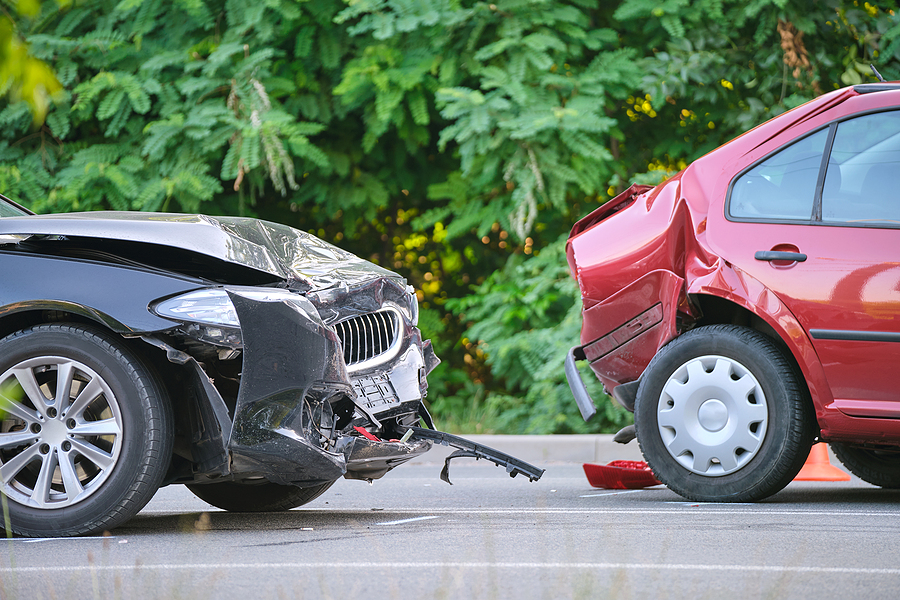
A car accident or major breakdown are stressful experiences, and the aftermath can be just as confusing. One of the most significant questions you’ll face is whether your vehicle is repairable or if it’s considered “totaled.” This isn’t just about the physical damage; it’s a financial and legal determination that has major implications for you as a car owner.

Understanding this process is essential for navigating the insurance claim and making the best decision for your situation. This guide will walk you through what it means for a car to be totaled, how insurance companies make that call, and what your options are if it happens to you.
Call 502-804-5605 to Sell a Totaled Car in Louisville Kentucky

What Does “Totaled” Mean?

A car is declared a “total loss,” or totaled, when the cost to repair it to its pre-incident condition is higher than its actual cash value (ACV). Insurance companies and state laws have specific criteria for this determination, but the core principle is economical. If fixing the car costs more than the car is worth, it is no longer financially sensible to repair it.

Several factors contribute to this decision:

  • Cost of Repairs: This includes parts, labor, and any other expenses required to restore the vehicle.
  • Actual Cash Value (ACV): This is the market value of your car right before the accident occurred.
  • Salvage Value: This is the amount the insurance company can get by selling the damaged car to a salvage yard.

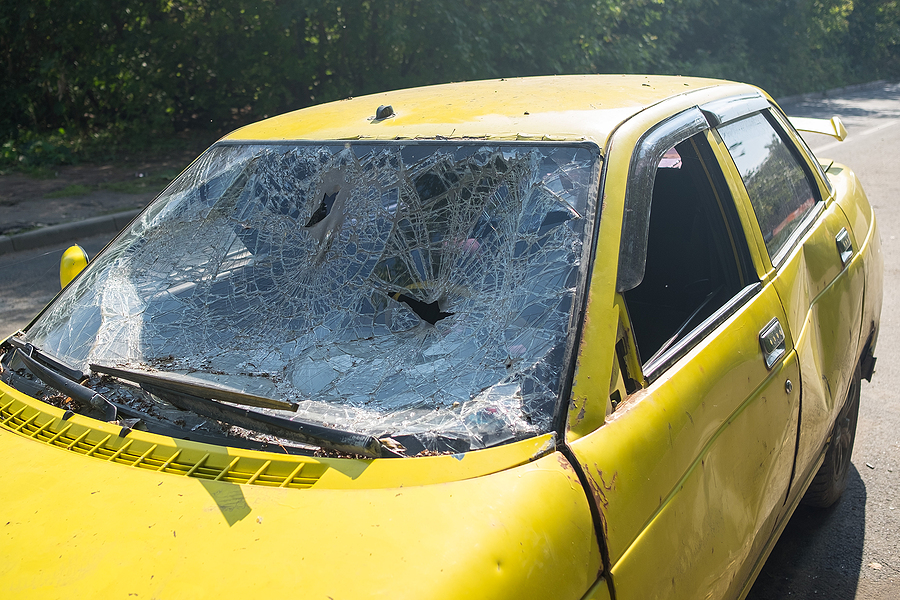
The decision isn’t based solely on whether the car is drivable. A vehicle with significant frame damage might look deceptively fine but could be structurally unsound and expensive to fix, leading to a total loss declaration. Conversely, a car with extensive cosmetic damage might be ugly but still safe and cheaper to repair than its total value.

How Insurance Companies Decide

When you file a claim, your insurance company will follow a structured process to determine if your car is a total loss. This involves calculating the vehicle’s value and estimating repair costs.

Total Loss Threshold

Every state has a “total loss threshold” (TLT), which is a percentage set by law. If the repair costs exceed this percentage of the car’s ACV, the insurance company must declare it a total loss. For example, if your state’s TLT is 75% and your car’s ACV is $10,000, it will be totaled if repair estimates exceed $7,500. Some states allow insurance companies to use their own formulas, but the principle remains the same. In Kentucky, the TLT is 75 percent.

Actual Cash Value (ACV)

The ACV is the cornerstone of the total loss calculation. It’s not what you paid for the car or what a new one would cost; it’s the market value of your vehicle just before the accident. To determine the ACV, insurance adjusters consider:

  • Make, model, and year: The basics of your vehicle.
  • Mileage: Lower mileage generally increases value.
  • Overall condition: This includes the interior, exterior, and mechanical state before the crash.
  • Recent sales: The adjuster will look at the sale prices of similar vehicles in your local area.
  • Special features: Any upgrades or customizations can also affect the value.

Repair Estimates

An insurance adjuster will inspect the damage to your vehicle or review estimates from certified repair shops. This estimate includes the cost of replacement parts and the hours of labor required. If this estimated cost surpasses the state’s TLT or the insurer’s internal threshold, the vehicle will be declared totaled.

Get a Free Junk Car Appraisal in Louisville Today!

What to Do If Your Car Is Totaled

Receiving news that your car is a total loss can be disheartening, but you have options. It’s important to understand your rights and the steps you can take.

  1. Review the Insurance Company’s Offer: The insurer will present you with a settlement offer based on their ACV calculation. Scrutinize this document. Ensure all the details about your car—trim level, features, and condition—are accurate.
  2. Negotiate the Settlement: If you believe the ACV is too low, you have the right to negotiate. Provide evidence to support your claim, such as listings for comparable vehicles in your area, records of recent upgrades, or a third-party appraisal.
  3. Decide on Your Next Steps: Once you agree on a settlement amount, you have two main choices:
  4. Accept the settlement: You sign over the title to the insurance company, and they give you a check for the agreed-upon ACV (less your deductible). You can then use this money to buy a new car.
  5. Keep the car: You can choose to keep your totaled vehicle. In this case, the insurance company will pay you the ACV minus your deductible and the car’s salvage value.

The Implications of Keeping a Totaled Car

Keeping a totaled vehicle might seem like a good way to get some extra cash, but it comes with significant strings attached.

Salvage Title

When you keep a totaled car, its title is rebranded as a “salvage title.” This permanently marks the vehicle as having been a total loss. To legally drive it again, you’ll need to have it repaired and pass a rigorous state inspection. If it passes, it will be issued a “rebuilt” title.

Safety and Resale Value

Even with a rebuilt title, the car’s history will be a red flag for future buyers. The resale value of a vehicle with a rebuilt title is drastically lower than one with a clean title. Furthermore, some insurance companies are hesitant to provide full coverage for rebuilt vehicles, and you may have trouble finding a willing insurer. There are also potential safety concerns, as even a certified repair might not restore the vehicle’s original structural integrity.

Repairable vs. Totaled: A Quick Comparison

How do you know if your car is likely to be repaired instead of totaled?

  • Repairable: Damage is often cosmetic or involves replaceable parts without compromising the frame or safety systems. The repair costs are well below the vehicle’s ACV and the state’s total loss threshold.
  • Totaled: Damage is severe, often affecting the frame, engine, or multiple major systems. Repair costs approach or exceed the car’s ACV. A common example is flood damage, which can ruin a car’s electronics and interior even if the body looks intact.

Repairing a damaged car allows you to keep a vehicle you’re familiar with, but you risk dealing with lingering mechanical issues. Accepting a total loss settlement gives you a clean break and funds for a new purchase, but it means going through the process of car shopping again.

Conclusion

Dealing with a badly damaged car is never easy. Understanding whether it’s repairable or a total loss empowers you to work effectively with your insurance company and make an informed decision. Always review your insurer’s assessment carefully, know your rights, and consider all your options before signing any paperwork.

If your car is totaled and you’re in the Louisville, Kentucky area, repairing it may not be your best option. Instead of dealing with the hassle of a salvage title, consider getting cash for your totaled car. GC’s Junk Cars offer a simple, fast way to turn your damaged vehicle into money you can use for your next purchase.

Contact Us Today to get a quote.

Related Post: Uncovering Value: The Silver Lining for Total Loss Cars in Indiana

How to Deal with Car Alternator Problems and Expensive Repairs

The car alternator may not be the flashiest part of your vehicle, but it’s undoubtedly one of the most critical. Responsible for producing electricity to power your car’s electrical systems and recharge your battery, a faulty alternator can stop your car in its tracks. If you’ve struggled with mysterious electrical issues, dimming lights, or even an unexpected breakdown, the alternator may be to blame.

This guide will walk you through understanding alternator problems, recognizing common symptoms, diagnosing issues at home, and knowing when to seek professional help or disposal. We’ll also cover tips for prolonging your alternator’s lifespan and what to do if repairing it no longer makes sense for your car’s value.

By the end of this post, you’ll better understand how to deal with alternator problems without draining your wallet or patience.

Call 502-804-5605 to Get a Free Quote For a Total Loss Car in Louisville

What Is a Car Alternator and Why Is It Important? 

Your car alternator is an essential component in the electrical system. While the battery gets your car started, it’s the alternator that keeps it running. Once the engine is on, the alternator continuously generates electricity to keep your headlights, radio, power windows, air conditioning, and other electrical systems running. Additionally, it ensures your battery is fully charged for the next time you start your car.

If the alternator fails, your battery cannot maintain a charge, and your car’s electrical components will falter. Left unresolved, alternator issues can lead to sudden breakdowns and expensive repairs.

Common Symptoms of Alternator Problems 

Recognizing the early signs of a failing alternator is key to avoiding complete failure or a roadside breakdown. Here are some common symptoms to watch for:

  • Dimming or Flickering Lights: Headlights and interior lights may lose their brightness, especially as you accelerate or decelerate.
  • Warning Lights: Most cars have a dashboard warning light (often shaped like a battery) that may illuminate when alternator issues occur.
  • Strange Noises: Whining, growling, or grinding noises coming from the alternator could indicate internal damage or wear.
  • Dead Battery: A failing alternator may not properly recharge the battery, causing it to die frequently.
  • Malfunctioning Electrical Systems: Accessories like power windows, air conditioning, or the radio may start to behave unpredictably.
  • Car Stalling or Difficulty Starting: An alternator not providing enough power may cause your car to stall or struggle to start.

If you notice these symptoms, it’s time to investigate further.

DIY Tests to Diagnose Alternator Issues at Home 

Before heading to a mechanic, you can perform these simple tests to diagnose alternator problems:

Voltage Test 

Using a multimeter, measure the alternator’s voltage output while the car is running. A healthy alternator should output between 13.5 and 14.5 volts. Anything outside this range could indicate a problem.

Battery Load Test 

Before starting the car, check the battery voltage with the multimeter (a fully charged battery should read around 12.6 volts). Start the car and check again. A significant voltage drop after starting could mean the alternator isn’t recharging the battery sufficiently.

Visual Inspection 

Inspect the alternator belt for signs of wear, cracks, or damage. A loose or damaged belt can cause the alternator to function improperly.

Listen for Noises 

Run the engine and listen for any whining, growling, or grinding noises near the alternator. These sounds often indicate worn-out bearings or internal damage.

If you find clear evidence of alternator issues during these checks, you’ll need to decide whether to repair it yourself or seek professional assistance.

Sell an Old Car Today!

When to Call a Pro 

While DIY diagnostics are handy, some alternator problems require professional expertise. Here are scenarios where you should call a professional:

  • Complex Electrical Issues: If problems go beyond what basic tests can identify, a mechanic can conduct advanced diagnostics. 
  • Alternator Replacement: Alternator replacement often requires specific tools and expertise to ensure proper installation. 
  • Persistent Problems: If alternator issues persist despite repairs, there could be underlying issues in the electrical system needing expert attention. 
  • Warranty Concerns: For cars under warranty, it’s best to leave alternator repairs to certified mechanics to avoid voiding coverage.

Maintenance Tips to Prolong Your Car Alternator’s Life 

A little proactive care can save you from alternator headaches down the road. Follow these maintenance tips to extend its lifespan:

  • Inspect the Alternator Belt Regularly: Check for signs of wear or tension issues, as a worn or loose belt can impact performance. 
  • Maintain the Battery: A weak or faulty battery forces the alternator to work harder, leading to premature wear. 
  • Avoid Electrical Overloads: Resist running too many electrical devices simultaneously (e.g., headlights, stereo, and A/C) to reduce strain on the alternator. 
  • Keep It Clean: Periodically clean the alternator and surrounding area to prevent dirt, debris, or engine grime from causing problems. 
  • Schedule Routine Check-ups: Have a mechanic inspect your alternator and electrical system during routine maintenance appointments.

Being proactive can save you significant time and money while keeping your car running smoothly.

What to Do If Your Alternator Repair Exceeds Your Car’s Value 

If your alternator repair or replacement costs more than your car is worth, it may indicate your car is a total loss vehicle. Repairing an older or heavily damaged car might not be worth the investment, but it doesn’t mean you’re stuck with it.

Why Sell a Total Loss Vehicle to a Junk Car Buyer? 

Opting to sell your total loss vehicle to a junk car buyer offers several benefits:

  • Quick Cash: Junk car buyers often provide immediate payment, giving you quick access to funds. 
  • Hassle-Free Process: They take care of towing and paperwork, saving you time and effort.
  • Free Junk Car Removal: Most junk car companies will tow your car away for free.
  • Eco-Friendly: Many junk car buyers recycle old parts, reducing waste and environmental impact. 
  • Avoid Repair Costs: Skip expensive alternator replacement and other repairs. 
  • Any Condition Accepted: Whether your car has multiple issues or is simply too old, junk car buyers take it as-is. 

Selling your car in this way can save you from the financial strain of expensive repairs while putting money in your pocket.

In Summary

Dealing with a failing alternator doesn’t have to be overwhelming. By recognizing early symptoms, performing simple diagnostics, and staying on top of maintenance, you can save yourself time, money, and stress. However, when repairs become impractical due to cost, selling your car to a junk buyer can be an excellent solution.

If you’re ready to sell your total loss vehicle and move on from the repair headaches, we’re here to help. Contact GC’s Junk Cars today for a quick, hassle-free way to turn your old car into cash!

Talk to a Junk Car Buyer Now

Related Post: Easy Guide to Jump Starting a Dead Car Battery

Uncovering Value: The Silver Lining for Total Loss Cars in Indiana

In the aftermath of a car accident or discovering that your beloved vehicle has reached the end of its road life, it’s easy to see nothing but a bleak outcome. However, for scrap car owners, those with totaled vehicles, or individuals without adequate insurance coverage in Indiana, there exists a silver lining—a potential for opportunity and gain amidst apparent loss. This post aims to shed light on the hidden value of total loss vehicles and guide you through maximizing this unexpected situation.

Call 502-804-5605 to Get a Quote From Our Professional Total Loss Car Buyers in Louisville Kentucky

The Economics of Total Loss Vehicles

At first glance, a car declared as a total loss by insurance companies seems like a financial sinkhole. Yet, these vehicles can still hold significant value. In the current market, the demand for scrap metal, used auto parts, and even salvageable cars has surged, offering car owners a chance to recoup some losses.

Opportunity Knocks for Scrap Car Owners

If you find yourself with a vehicle that’s more rust than road-worthy, don’t rush to write it off. Here are a few tips to ensure you get the most out of your scrap car:

Research Scrap Yards: Not all scrap yards offer the same rates. Shop around and negotiate to find the best deal for your vehicle’s metal and component parts.

Consider Selling Parts Privately: Some car parts can fetch a higher price on the open market than they would as scrap. Online marketplaces are excellent venues to sell engines, transmissions, and even cosmetic parts.

Navigating the Insurance Maze for Totaled Cars

For those with insurance facing a wrecked car situation, understanding your policy’s fine print is crucial. Here are some insights:

Know Your Rights: Insurance companies typically offer a cash payout for the actual cash value (ACV) of your vehicle pre-accident. Ensure this valuation is fair and reflects your car’s true market value.

Explore Selling Options: If your payout seems low, consider selling your totaled vehicle to an auto salvage yard. Often, you can negotiate a better price than what’s initially offered by insurance.

A Helping Hand for the Uninsured and Under-Insured

Accidents without proper insurance coverage can be daunting. However, options remain to mitigate financial loss:

Legal Consultation: It might be beneficial to consult with a legal expert to explore any possible compensation routes, especially if another party was at fault.

Direct Sale: Selling your vehicle as-is to auto salvage yards or through private deals can provide an immediate, albeit small, financial relief.

Indiana-Specific Considerations

Indiana residents dealing with total loss cars must be aware of state-specific laws and regulations that could affect their decisions:

Title Requirements: Indiana may require a “salvage title” for cars deemed a total loss, which can impact your ability to sell.

Local Services: Leverage Indiana’s robust network of auto salvage yards and specialists in totaled cars to get the best deals and advice.

Conclusion

While facing a total loss vehicle scenario is undoubtedly challenging, it’s far from the end of the road. With the right approach and knowledge, there’s substantial value to be unearthed from what appears to be mere scrap or a totaled wreck. For residents of Indiana and beyond, exploring the opportunities to salvage what’s left, understanding your rights, and making informed decisions can transform a seemingly dire situation into one with a silver lining.

Remember, every car, no matter its condition, holds potential value. Before you consider your total loss car a complete loss, investigate your options. You might be surprised at the opportunities available, whether through selling to a trusted auto salvage yard or leveraging parts and metals markets.

Are you looking for a professional-level auto salvage yard to pay you generously for your junk vehicle? Contact GC’s Junk Cars at 502-804-5605 to sell a scrap car in Louisville, Kentucky. We pay cash on the spot and offer free junk car removal in all surrounding counties.

Related Posts:

Understanding the Value of a Junk Car: A Seller’s Guide
Turning Scrap into Cash: The Junk Car Selling Process
Top Questions to Ask Your Louisville Junk Car Buyer

A Guide to Understanding the Insurance Claims Process for Totaled Cars

If you’ve been in a car accident recently, and your vehicle has been declared a total loss or “totaled”, it can be an overwhelming experience. You may have questions like: What is the insurance claims process? How do I get compensated for my totaled car? Do I need to file a claim with my insurer? Fortunately, understanding the insurance claims process for totaled cars doesn’t have to be complicated.

In this guide we will answer all of these questions and more so that you can navigate the process with ease. We will explain what it means to have a totaled car, how to determine if your vehicle is considered a total loss, how auto salvage works and what steps are involved in filing an insurance claim after totaling your vehicle.

By the end of this guide, you should feel confident about navigating through the insurance claims process for totaled cars. Let’s begin!

Call 502-804-5605 to Scrap a Totaled Car in or around Louisville, Kentucky.

How Insurance Carriers Define a Totaled Car

First and foremost, it’s important to understand what a totaled car is. A totaled car is also known as a total loss vehicle, which is a vehicle that has been involved in an accident and the cost of repairs exceed the actual cash value (ACV) of the car. The actual cash value is determined by looking at factors such as year, make, model, mileage, and condition of the vehicle prior to the accident. In most cases when a totaled car has been declared, your insurance company will deem it as a total loss and compensate you for its ACV minus any applicable deductions like policy deductibles.

Auto Repair Estimates

The first step in understanding the insurance claims process for totaled cars is determining if your vehicle qualifies as a total loss. This typically involves getting estimates from repair shops or auto body specialists. If the repair costs exceed the actual cash value, then the car is usually considered a total loss. Once this is established, you can move forward with filing an insurance claim and being compensated for your totaled vehicle.

Filing a Claim With Your Auto Insurer

Now we need to discuss how to file an insurance claim for your totaled car. To do this, contact your insurer and provide them with all the necessary paperwork including the ACV estimates, repair quotes and any photos of the accident. They will then work with you to process a claim so that you can get compensated for your totaled vehicle. Once everything is finalized and you have received payment from your insurer, you can move forward with purchasing a new or used vehicle as needed.

Scrapping a Totaled Car at an Auto Salvage Yard

Now that we have determined that your car is indeed a total loss, let’s talk about auto salvage. Auto salvage involves selling off any parts of a totaled vehicle that are still usable or recyclable and reusing them to repair other vehicles. This helps save time and money when repairing cars from accidents instead of having to buy new parts every time. Sometimes, Cash for Cars companies and junk car buyers in Louisville are willing to purchase entire vehicles or even parts for cash on the spot. Some auto salvage lots will even tow your junk car for free.

Be Sure to Contact Your Insurance Carrier to Confirm Policy Details

We hope this guide has been helpful in understanding the insurance claims process for totaled cars. Do note that every situation is different and there may be additional steps involved depending on where you live. If you have any questions about filing an insurance claim for a totaled car, don’t hesitate to reach out to your insurer for more information.

Are you interested in selling your totaled vehicle for a high amount of cash in the Louisville area? Contact GC’s Junk Cars at 502-804-5605 to speak with a trusted Indianapolis junk car buyer for details on how to get started! We offer free junk car removal and accept all old or broken auto parts!

Related Posts:

Do I Have to Repair My Wrecked Car?
Navigating the Aftermath of Totaling a Car: What You Need to Know
These 7 Things Will Slowly Total Your Car Overtime

Navigating the Aftermath of Totaling a Car: What You Need to Know

Being involved in an accident that totaled your car can be a stressful experience. You may be wondering what to do next and how to handle the situation. It’s important to know your rights and understand the process of dealing with a totaled car so you can make sure you get a fair resolution.

In this blog post, we will provide an overview of navigating the aftermath of totaling a car, including understanding auto salvage lots, junk car buyers, and other options for getting compensated after having your vehicle totaled. We hope this guide will help you navigate this difficult time more easily and confidently.

Call 502-804-5605 to Get an Offer From a Louisville Kentucky Junk Car Buyer!

What is a Totaled Vehicle?

First, it’s important to understand what totaled means in the context of a car. A totaled car, or total loss car, is one that has been deemed with severe damage that would cost more to repair than its actual cash value (ACV). Once your vehicle has been totaled, you will need to file an insurance claim with your auto insurance provider. They will determine the actual cash value of your totaled vehicle.

What To Do With a Totaled Car

Once you have determined that your car is a total loss, there are a few options for what to do next. You can either sell it to an auto salvage lot or junk car buyer in Louisville, donate it to charity, or keep it as-is, depending on the circumstances.

Sell. If you decide to sell your totaled car, auto salvage lots and junk car buyers are two of the most common options. Auto salvage yards buy totaled cars from drivers in order to resell their parts or rebuild them for later sale. Junk car buyers purchase total loss cars for scrap metal. Both auto salvage lots and junk car buyers will typically offer you a lower price than the actual cash value (ACV) of your junk car, but it can still be a good option if you need cash quickly.

Donate. If you don’t want to sell your totaled car, there are other options available. You can donate it to a charity or keep it as-is. Donating your total loss vehicle may be a good option if you don’t need the money, as many charities accept totaled cars and will offer tax deductions for them.

Keep. Keeping a total loss car is an option if the damage isn’t too severe, but it is important to understand that driving a totaled car is illegal in many states.

Get Compensated for a Total Loss Vehicle

Navigating the aftermath of totaling a car can be overwhelming and stressful. Knowing what to do and understanding your rights are key to ensuring you get the fair resolution you deserve. We hope this guide has been helpful in giving you an overview of navigating the aftermath of totaling a car, including auto salvage lots, junk car buyers, and other options for getting compensated. 

Is your car totaled or totally junked? If so, trade it in for cash on the spot, then place that profit towards a new car! Contact GC’s Junk Cars at 502-804-5605 to sell a junk car in Louisville, Kentucky for an instant cash payout. We provide FREE junk car removal!

Related Posts:

Do I Have to Repair My Wrecked Car?
Will Keeping My Totaled Car Reduce My Insurance Claim Payout?
What to Do With a Totaled Car if You Do Not Have Collision Coverage

How to Prevent Major Engine Repair or Replacement

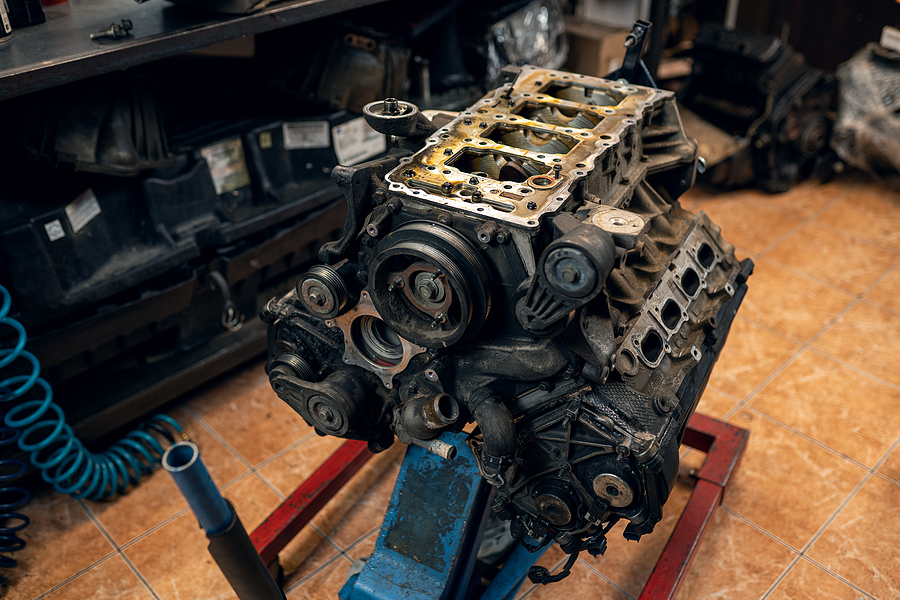
A car’s engine is the heart of your vehicle. Just like ours, it requires regular care and maintenance to sustain and protect its well-being. If you are a car or truck owner, be sure to learn about car engine maintenance and care to increase your engine’s lifespan and performance value  Taking care of a car engine has endless benefits, and can reduce the likeliness of breakdowns and needed repairs. If you are unsure about your car engine’s status of health, you may need to step up your auto care game. If you end up at the repair shop with a hefty engine replacement bill, your car might be deemed a total loss by your insurance company if it is old or already in poor condition.

Continue reading to learn what you need to do to protect your car engine from experiencing major damages and malfunctions, as well as, what you can do with your broken car engine to make up for the cost of engine replacement.

Louisville Junk Car Buyers 502-804-5605

Routine Car Engine Maintenance

There are more than 40 parts in a car engine that require maintenance and care in order to survive. This is why it is important to have your vehicle inspected every year by a professional, because they are trained to routinely inspect these areas and spot vulnerabilities. That way, you don’t have to worry about missing something when it comes to caring for your vehicle’s engine. On the other hand, there are other things you can do as a car owner to maintenance and service your engine.

Changing the car engine oil is one of the biggest factors in engine care. The engine’s oil should be checked every few weeks, especially before long road trips. You can do this on your own, or have a professional check it during routine auto inspections. Keeping a proper supply and level of engine oil in your car is crucial to the vehicle’s performance, as well as, your safety  Think of your car engine oil as the vehicle’s vitamins and nutrients; because it needs fresh and clean oil to survive.

Auto Tune Ups

In between the 80,000 and 100,000 mile marker, it is recommended to have your car engine tuned. Auto tune ups involve a series of services that will refresh and restore a vehicle’s engine. These services involve inspecting parts, such as spark plugs, filters, fuel injectors, and more. An auto tune-up is a great way to restore your car engine’s health, and reduce costly car engine repairs and replacements. If your check engine light is on, it is time for an auto tune up. In other cases, certain signs will let you know you need a car tune up. If it seems like the car’s acceleration power is decreasing, or you hear a knocking sound when you drive, it could be time for a tune-up. 

Forced to Replace Your Broken Car Engine?

If your car engine takes a turn for the worst, and you have to replace it with a new one, the cost can be quite alarming. In many cases, the cost of a brand new motor is higher than the actual worth of the vehicle. When this happens, a car is considered a total loss. You can either take your insurance payout, or you can sell it to a local Louisville junk car buyer. In fact, if you simply need engine replacement, you can sell them your old car engine, regardless of its condition, and still make instant cash from it.

How to Sell a Junk Car or Car Part in Louisville, Kentucky

Call GC’s Junk Cars at 502-804-5605 if you have a junk car or broken car engine to sell in Louisville and its surrounding areas. Not only do we accept all vehicles, regardless of age, make, model, and condition, our Louisville Kentucky cash for cars company also payout the highest returns for junk vehicles in Kentucky. Just accept our offer and we will come pick up your junk car! Contact us today to request a free estimate!

Louisville Junk Car Buyers 502-804-5605

Is My Car Totaled if the Airbag Deploys?

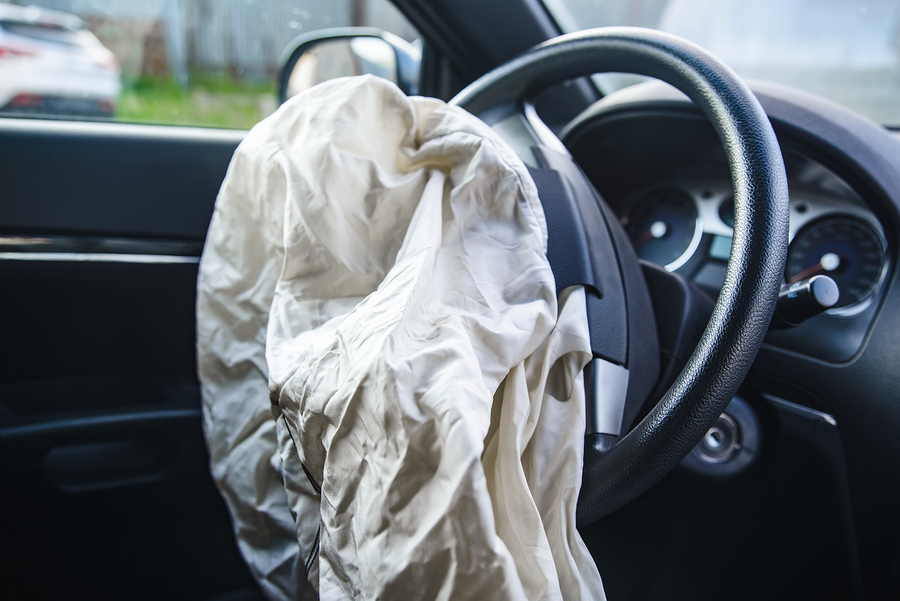
Once an airbag has deployed, it is finished for good. It cannot be sewn, seared, cinched, or repaired in anyway. It would be like trying to re-light a match once its flame has been ignited and blown out. It is simply not possible, legal, nor safe. But this does not mean the vehicle is finished too.

Continue reading to learn why deployed airbag doesn’t always mean a vehicle is totaled, and when it does.

Car airbag has worked with a shallow depth of field

Airbag System Basics

An airbag system is one of the most vital parts of any car, truck, or vehicle. It is a single-use, one-time only, safety mechanism designed to provide a soft cushion in order to prevent subsequent ejection, serious injuries, and death during a car accident. An airbag-equipped vehicle has small electronics that work for the airbag system called crash sensors that “sense” when an accident or collision has occurred.

Once a vehicle’s crash sensors have detected stimuli that suggests an accident has happened, they send a message to the airbag control unit, which then sends a message to the inflator; then the bags fill with air and deploy instantly. Stimuli that crash sensors respond to include sudden stopping, pressure increases, significant impacts, and more. A small chemical charge causes a tiny explosion that causes the airbag to fill and deploy, and deploy as fast as it does. This is the main reason why they cannot be reused once they have deployed.

Average Cost of Airbag Replacement

Although airbags are not a full-proof or guaranteed method to saving lives in car accidents, they significantly increase the level of safety and security for passengers and driver’s alike. Air bags can cost anywhere from $250 to $1,000 or more, depending on the supplier, the make and model vehicle, and the type of airbag. Many junk car lots and auto salvage companies purchase and sell UNUSED airbags that have never been deployed for a fraction of the market or dealership costs; however, it is recommended by automotive specialists to purchase the proper airbag from a certified dealership for optimal safety and assurance.

A vehicle is not always totaled if the airbags have deployed. A vehicle usually has to be damaged more than 75% in order for it to be totaled. If you own a vehicle that is only worth a few thousand dollars, and the airbags deploy, this will most likely total your vehicle. On the other hand, if you drive a new car or truck, and the exterior damage is minimal, you may not have a totaled vehicle. It simply all depends on the details folks!

Get Trusted Advice from a Louisville Junk Car Buyer

Call GC’s Junk Cars at 502-804-5605 to sell a totaled car in Louisville and its surrounding areas. Not only do we accept all vehicles, regardless of age, make, model, and condition, we also payout the highest returns for junk vehicles in Kentucky. Just accept our offer and we will come pick up your junk car! Contact us today to request a free estimate!

Louisville Junk Car Buyers 502-804-5605

What You Need to Know About Auto Loans and Total Loss Cars

If you are in the red with your car loan, you can add yourself to a long list of other car owners in Kentucky. It is not uncommon as you think to receive a low settlement check from your insurance provider when your auto loan vehicle is totaled. If you recently totaled your car, and you still owe money on your car loan, you may be in for a rude awakening. Likewise, if you already made a claim with your insurance company, and received a check that did not seem very fair, you may also be in for some bad news.

Continue reading to learn the most important points about auto loans and total loss cars, including what your options might be if you still owe on your loan or got a low settlement.

Louisville Junk Car Buyers
Louisville Junk Car Buyers 502-804-5605

Actual Cash Value and GAP Coverage

When it comes to your automotive coverage, your vehicle is probably insured at “Actual Cash Value”, which estimates the value of your car at the time of loss. Such assessments consider depreciation, market value, and more. So, if you were not able to make at least a 20% down payment on your car, you should have been encouraged to opt for GAP insurance, which basically protects against the depreciation loss of a car that is more than the amount of money you owe a creditor on that car. This means if you had a GAP policy, it would pay the difference between what the car is worth and what you owe.

For example: you purchase a car with a 5 year automotive loan. After one year, you total the car. Your car is now worth less than what you still owe, and the insurance check you receive for the accident claim will not cover the amount you have left on the loan because the majority of the payments you’ve made over the last year went straight to interest, and the car depreciated significantly.

This situation happens every day to millions of car owners across the country. If this happens to you, your best option would be to forfeit your loss and consider GAP insurance coverage on your next vehicle purchase. If you have an old auto loan that you are still paying off after totaling a car, avoid combining it with a new auto loan. This is a setup for many problems. Furthermore, it is important to know that warranties are not covered in a total loss situation, so you will be obligated to fulfill your financial duty even though you are no longer have the car.

Where to Get Advice on Total Loss Cars

Call GC’s Junk Cars at 502-804-5605 if you have a totaled car in Louisville and its surrounding areas. Not only do we buy all vehicles, regardless of age, make, model, and condition, we also payout the highest returns for junk vehicles in Kentucky. Just accept our offer and we will come pick up your junk car! No title? No problem! Contact us today to request a free estimate.

Louisville Junk Car Buyers 502-804-5605

What is a Junk Car?

If your car was just involved in a serious collision or accident, you may be asking yourself, “what now?” Well, your first step is to contact your automotive insurance carrier to review the details of your particular policy. From there, an adjuster will determine whether or not your vehicle is a “total loss”, which is a fancy surety term for a junk car. If you do not have car insurance, you can still get rid of your car, and even make some money at the same time.

Continue reading to learn how an insurance company defines a junk car, and what your options are for selling on, whether insured or not, here in Louisville.

Louisville Junk Car Buyers 502-804-5605

Total Loss Vehicles

It’s actually pretty simple. Total loss vehicles are simply cars that are too far damaged to be worth repairing. The more technical definition is, “a vehicle that costs more to repair than the actual cash worth before the damage.” So, to explain in plain language, if your vehicle is worth $4,000 before the accident, but then costs $5,500 to repair it back to the condition it was in before the accident, it would be deemed “totaled.” There are some cases in which this does not apply, such as brand new Luxury vehicles with values much higher than average or older cars.

Here is Another Example:

If your car is worth $7,000 but the cost to repair it back to the condition it was in before the damage exceeds that amount, your vehicle would be deemed a total loss because it would not be worth repairing it for that amount of money. Instead, it would make more sense to simply cash in the insurance money under your policy terms, and purchase a new vehicle.

No Insurance?

If you do not have auto insurance, your totaled car can still reap you a nice profit. All you have to do is find a reputable and experienced Louisville junk car buyer that offers cash payments and free haul away. Just be careful choosing a buyer to work with; in the junk car industry, there are thousands of unethical, unprofessional, fly-by-the-night businesses that will rip you off. Always choose a company that has professional grade equipment, technologies, and experience. This shows that they are a trusted junk car buyer that does good business.

Where to Get Started

GC’s Junk Cars Louisville Kentucky

Call GC’s Junk Cars at 502-804-5605 if you have a junk car to sell in Louisville and its surrounding areas. Not only do we accept all vehicles, regardless of age, make, model, and condition, we also payout the highest returns for junk vehicles in Kentucky. Just accept our offer and we will come pick up your junk car! No title? No problem! Contact us today to request a free estimate.