Is Your Car Totaled? Here’s How to Tell

A car accident or major breakdown are stressful experiences, and the aftermath can be just as confusing. One of the most significant questions you’ll face is whether your vehicle is repairable or if it’s considered “totaled.” This isn’t just about the physical damage; it’s a financial and legal determination that has major implications for you as a car owner.

Understanding this process is essential for navigating the insurance claim and making the best decision for your situation. This guide will walk you through what it means for a car to be totaled, how insurance companies make that call, and what your options are if it happens to you.
Call 502-804-5605 to Sell a Totaled Car in Louisville Kentucky

What Does “Totaled” Mean?

A car is declared a “total loss,” or totaled, when the cost to repair it to its pre-incident condition is higher than its actual cash value (ACV). Insurance companies and state laws have specific criteria for this determination, but the core principle is economical. If fixing the car costs more than the car is worth, it is no longer financially sensible to repair it.

Several factors contribute to this decision:

  • Cost of Repairs: This includes parts, labor, and any other expenses required to restore the vehicle.
  • Actual Cash Value (ACV): This is the market value of your car right before the accident occurred.
  • Salvage Value: This is the amount the insurance company can get by selling the damaged car to a salvage yard.

The decision isn’t based solely on whether the car is drivable. A vehicle with significant frame damage might look deceptively fine but could be structurally unsound and expensive to fix, leading to a total loss declaration. Conversely, a car with extensive cosmetic damage might be ugly but still safe and cheaper to repair than its total value.

How Insurance Companies Decide

When you file a claim, your insurance company will follow a structured process to determine if your car is a total loss. This involves calculating the vehicle’s value and estimating repair costs.

Total Loss Threshold

Every state has a “total loss threshold” (TLT), which is a percentage set by law. If the repair costs exceed this percentage of the car’s ACV, the insurance company must declare it a total loss. For example, if your state’s TLT is 75% and your car’s ACV is $10,000, it will be totaled if repair estimates exceed $7,500. Some states allow insurance companies to use their own formulas, but the principle remains the same. In Kentucky, the TLT is 75 percent.

Actual Cash Value (ACV)

The ACV is the cornerstone of the total loss calculation. It’s not what you paid for the car or what a new one would cost; it’s the market value of your vehicle just before the accident. To determine the ACV, insurance adjusters consider:

  • Make, model, and year: The basics of your vehicle.
  • Mileage: Lower mileage generally increases value.
  • Overall condition: This includes the interior, exterior, and mechanical state before the crash.
  • Recent sales: The adjuster will look at the sale prices of similar vehicles in your local area.
  • Special features: Any upgrades or customizations can also affect the value.

Repair Estimates

An insurance adjuster will inspect the damage to your vehicle or review estimates from certified repair shops. This estimate includes the cost of replacement parts and the hours of labor required. If this estimated cost surpasses the state’s TLT or the insurer’s internal threshold, the vehicle will be declared totaled.

Get a Free Junk Car Appraisal in Louisville Today!

What to Do If Your Car Is Totaled

Receiving news that your car is a total loss can be disheartening, but you have options. It’s important to understand your rights and the steps you can take.

  1. Review the Insurance Company’s Offer: The insurer will present you with a settlement offer based on their ACV calculation. Scrutinize this document. Ensure all the details about your car—trim level, features, and condition—are accurate.
  2. Negotiate the Settlement: If you believe the ACV is too low, you have the right to negotiate. Provide evidence to support your claim, such as listings for comparable vehicles in your area, records of recent upgrades, or a third-party appraisal.
  3. Decide on Your Next Steps: Once you agree on a settlement amount, you have two main choices:
  4. Accept the settlement: You sign over the title to the insurance company, and they give you a check for the agreed-upon ACV (less your deductible). You can then use this money to buy a new car.
  5. Keep the car: You can choose to keep your totaled vehicle. In this case, the insurance company will pay you the ACV minus your deductible and the car’s salvage value.

The Implications of Keeping a Totaled Car

Keeping a totaled vehicle might seem like a good way to get some extra cash, but it comes with significant strings attached.

Salvage Title

When you keep a totaled car, its title is rebranded as a “salvage title.” This permanently marks the vehicle as having been a total loss. To legally drive it again, you’ll need to have it repaired and pass a rigorous state inspection. If it passes, it will be issued a “rebuilt” title.

Safety and Resale Value

Even with a rebuilt title, the car’s history will be a red flag for future buyers. The resale value of a vehicle with a rebuilt title is drastically lower than one with a clean title. Furthermore, some insurance companies are hesitant to provide full coverage for rebuilt vehicles, and you may have trouble finding a willing insurer. There are also potential safety concerns, as even a certified repair might not restore the vehicle’s original structural integrity.

Repairable vs. Totaled: A Quick Comparison

How do you know if your car is likely to be repaired instead of totaled?

  • Repairable: Damage is often cosmetic or involves replaceable parts without compromising the frame or safety systems. The repair costs are well below the vehicle’s ACV and the state’s total loss threshold.
  • Totaled: Damage is severe, often affecting the frame, engine, or multiple major systems. Repair costs approach or exceed the car’s ACV. A common example is flood damage, which can ruin a car’s electronics and interior even if the body looks intact.

Repairing a damaged car allows you to keep a vehicle you’re familiar with, but you risk dealing with lingering mechanical issues. Accepting a total loss settlement gives you a clean break and funds for a new purchase, but it means going through the process of car shopping again.

Conclusion

Dealing with a badly damaged car is never easy. Understanding whether it’s repairable or a total loss empowers you to work effectively with your insurance company and make an informed decision. Always review your insurer’s assessment carefully, know your rights, and consider all your options before signing any paperwork.

If your car is totaled and you’re in the Louisville, Kentucky area, repairing it may not be your best option. Instead of dealing with the hassle of a salvage title, consider getting cash for your totaled car. GC’s Junk Cars offer a simple, fast way to turn your damaged vehicle into money you can use for your next purchase.

Contact Us Today to get a quote.

Related Post: Uncovering Value: The Silver Lining for Total Loss Cars in Indiana
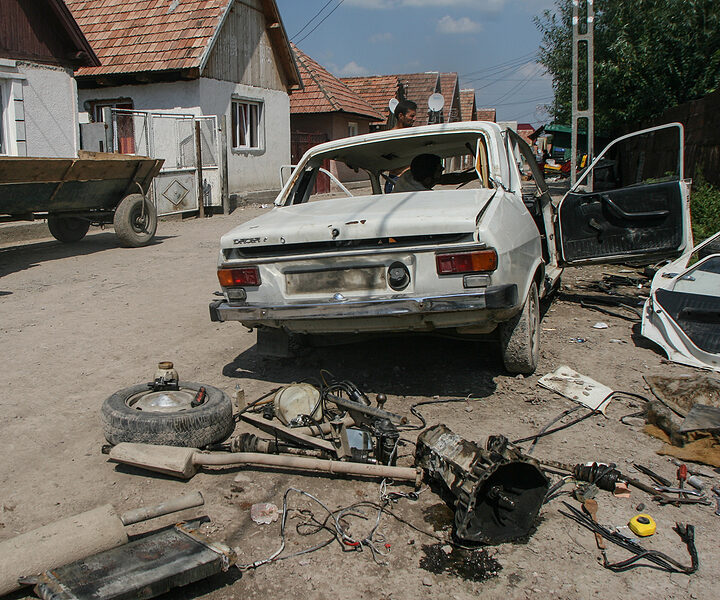
Parting Out Your Junk Car: Is It Worth It?

If you have an old, non-functional vehicle sitting in your driveway or garage, you might be wondering what to do with it. While many people choose to sell their junk car to a scrap yard, another option is gaining popularity: parting it out. This process involves dismantling the vehicle and selling its individual components. But is this the right choice for you?

Parting out a car can be a rewarding project, both financially and personally. However, it also requires a significant investment of time, effort, and resources. This guide will walk you through the pros and cons of car dismantling, help you determine if it’s a worthwhile endeavor for your situation, and explain the steps involved.

Call 502-804-5605 to Get a Free Quote From Our Junk Car Part Buyers in Louisville Kentucky

The Advantages of Parting Out a Junk Car

Dismantling a car and selling its parts individually can offer several compelling benefits.

Higher Potential Profit

The primary motivation for many people who part out a car is the potential for greater financial return. While junk car buyers and auto salvage yards offer a convenient way to get cash for junk cars, they typically pay based on the vehicle’s weight and current scrap metal prices.

By selling individual junk car parts, you can often earn significantly more than the car’s scrap value. High-demand items like engines, transmissions, and catalytic converters can fetch a considerable price on their own.

Eco-Friendly Recycling

Parting out a car is an excellent way to recycle. Instead of crushing the entire vehicle, you are salvaging usable components and giving them a second life. This reduces the demand for new parts manufacturing, which consumes energy and raw materials. By ensuring that functional parts are reused, you are contributing to a more sustainable, circular economy in the automotive industry.

Access to Rare and Discontinued Parts

For owners of vintage, classic, or rare vehicles, finding replacement parts can be a major challenge. If your junk car is a less common model, parting it out can be a great service to a community of fellow enthusiasts.

You might possess salvage car parts that are no longer in production, making them highly valuable to someone trying to restore a similar vehicle. For example, specific trim pieces, body panels, or interior components for a late 1960s Ford Mustang can be in high demand.

The Disadvantages of Parting Out a Junk Car

Despite the potential rewards, parting out a car is not a simple task. It comes with its own set of challenges that you should consider carefully.

Time, Effort, and Space

Car dismantling is a labor-intensive process. It requires many hours of physical work to safely remove parts without damaging them. After disassembly, you need to clean, photograph, list, and ship each component. This entire process can take weeks or even months. You will also need a significant amount of space, not just to work on the car, but also to store the parts until they are sold.

Specialized Tools and Knowledge

To properly dismantle a car, you need more than just a basic toolbox. Specialized equipment like an engine hoist, impact wrenches, and a variety of sockets and pullers are often necessary. Furthermore, you need a solid level of mechanical knowledge. Without it, you risk damaging valuable parts or, more importantly, injuring yourself.

Handling Hazardous Materials

Vehicles contain several hazardous fluids, including motor oil, gasoline, antifreeze, and brake fluid. These materials must be drained and disposed of according to strict environmental regulations set by the EPA and local authorities. Mishandling these substances can lead to fines and harm the environment.

Legal and Regulatory Hurdles

There are legal requirements to consider. Depending on your state, you may need to surrender the vehicle’s title to the DMV once it is no longer roadworthy. Additionally, some jurisdictions have regulations about selling used auto parts, which could require special permits or licenses.

Get a Free Offer for Your Junk Car Right Now!

Factors to Consider Before You Begin

Before you grab your tools, evaluate if parting out is the right decision for you.

Your Car’s Condition and Model: Research the demand for parts from your specific car model. Cars like 1990s Honda Civics, Jeep Cherokees (XJ), and early 2000s Toyota Tacomas are often good candidates because their parts are in high demand. If your car has many damaged or worn-out components, its junk car value may be higher as scrap.

Your Mechanical Skill: Be honest about your abilities. If you’re a novice, you may find the process overwhelming and potentially dangerous.

Profitability Assessment: Compare the estimated total value of the parts against a quote from a local junk car buyer. Research prices on online marketplaces like eBay Motors and forums dedicated to your car model. Don’t forget to subtract the costs of tools, storage, and disposal fees.

Time Commitment: How much free time can you realistically dedicate to this project? If you have a busy schedule, the quick cash from an auto salvage yard might be a better option.

Frequently Asked Questions (FAQs)

How do I determine the value of individual parts?

Research completed listings on eBay, check online forums for your car’s make and model, and call local salvage yards to ask about their prices for similar parts. This will give you a good idea of the market rate.

What tools are essential for dismantling a car?

At a minimum, you’ll need a comprehensive socket set, wrenches, screwdrivers, pliers, a jack, and four jack stands. An engine hoist, impact wrench, and specialized pullers will make the job much easier.

Where can I sell the parts I remove from the car?

You can sell parts on online marketplaces like eBay and Facebook Marketplace, in forums dedicated to your car model, or at local swap meets. You can also sell directly to local mechanics or DIY enthusiasts.

What are the legal requirements for parting out a car in my state?

Regulations vary by state. Contact your local DMV to understand the rules regarding title surrender and selling used parts. You may be required to obtain a dismantler’s license if you plan to do this regularly.

Is it worth parting out my car, or should I sell it for scrap?

If your car has many high-demand parts in good condition and you have the time, tools, and space, parting it out can be more profitable. If you need a quick, hassle-free solution, selling it for scrap is the better choice.

Your Next Step

Parting out a junk car can be a rewarding project that maximizes the vehicle’s value while promoting recycling. However, it is a significant undertaking that requires careful consideration of the time, skill, and resources involved. For many, the convenience and immediate payment offered by selling the car whole is the more practical path.

Ultimately, the decision depends on your personal circumstances and goals. By weighing the pros and cons, you can make an informed choice that best suits your needs.

If you’ve decided that car dismantling isn’t for you, there’s an easy alternative. You can still get a great price for your vehicle without the hassle. Contact Us Today to get cash for your junk car and have it removed quickly and professionally.

Place Your Call Right Now

Related Post: Hidden Gems: The Most Valuable Junk Car Parts You Might Be Overlooking

How Much Are Your Scrap Car Parts Really Worth?

An old car taking up space in your garage might seem like nothing more than a problem, but it holds surprising value. Beyond just being a hunk of metal, your vehicle is a collection of components that can be sold for automotive scrap. Understanding the worth of these junk car parts not only puts money in your pocket but also contributes to a healthier planet.

This guide will walk you through the world of automotive recycling. You’ll learn which parts are most valuable, what factors influence their price, and how to properly scrap them. By the end, you’ll have a clear understanding of how to turn that old vehicle into a valuable resource, benefiting both your wallet and the environment.

Call 502-804-5605 to Sell Scrap Car Parts in Louisville Kentucky

Factors Affecting the Value of Scrap Car Parts

The price you get for your automotive scrap isn’t random. Several key factors determine the final value when you take your items to an auto scrapyard. Being aware of these can help you manage your expectations and maximize your return.

Current Metal Prices

The scrap metal market is a dynamic one, with prices for materials like steel, aluminum, copper, and precious metals (like platinum and palladium found in catalytic converters) fluctuating daily. These changes are driven by global supply and demand. For example, a surge in manufacturing could increase demand for steel, pushing up its price. It’s always a good idea to check current market rates before heading to the auto scrappers.

Condition of the Part

A part’s condition plays a significant role in its value. A fully functional engine or transmission that can be refurbished and resold will fetch a much higher price than one that is only good for its raw metal content. Even for parts sold purely for scrap metal, cleanliness and the absence of non-metallic attachments can affect the price. A clean aluminum rim, for instance, is more valuable than one covered in dirt and still attached to a rubber tire.

Type and Weight of Metal

Different metals command different prices. Heavy parts made of steel, like the car’s frame, contribute significantly to the total weight but are less valuable per pound than lighter materials like aluminum or copper. For example, recycling aluminum car parts saves up to 95% of the energy needed to produce new aluminum, making it a highly sought-after material in automotive recycling (The Aluminum Association). The more high-value metals your car contains, the higher your payout will be.

Demand for Specific Parts

Some junk car parts are in high demand for reuse rather than just for their metal content. Components from popular car models that are often needed for repairs can be quite valuable. An auto scrapyard might pay more for an alternator from a common vehicle model because they can easily sell it to a mechanic or a DIY car enthusiast.

The Most Valuable Scrap Car Parts

While over 80% of a vehicle is recyclable, some parts are worth significantly more than others. Focusing on these components can maximize your earnings from an old or damaged car. Here are some of the most valuable items you can find.

Catalytic Converters

Catalytic converters are consistently one of the most valuable scrap car parts. They contain precious metals like platinum, palladium, and rhodium, which act as catalysts to convert harmful exhaust gases into less toxic substances. The high market value of these metals makes catalytic converters a prime target for automotive recycling.

Engines and Transmissions

The engine and transmission are the heart and soul of a vehicle. If they are in repairable condition, they can be sold for a considerable amount. Even if they are no longer functional, their weight in steel and aluminum makes them valuable as automotive scrap. A complete engine block is one of the heaviest single components, ensuring a decent payout based on weight alone.

Car Batteries

Your car’s battery is another valuable item. The average car battery contains about 18 pounds of lead, a highly recyclable material. Due to the hazardous nature of lead and battery acid, there are specific regulations for their disposal. Most auto scrapyards and auto parts stores have programs to buy back old batteries to ensure they are recycled safely, preventing environmental contamination.

Metal Rims and Wheels

Aluminum alloy rims are more valuable than their steel counterparts. They are lighter and sought after for their appearance, but their real value in the scrap world comes from the price of aluminum. If you have a set of clean, undamaged aluminum rims, they can add a significant amount to your scrap total.

Electronic Components

Modern vehicles are filled with electronic modules and components. Circuit boards from the Engine Control Unit (ECU), GPS systems, and entertainment systems contain small amounts of precious metals like gold and silver. While the quantity in a single part is small, collecting multiple electronic components can add up.

Contact Us for a Free Junk Car Appraisal Today!

How to Scrap Car Parts Properly and Legally

Turning your scrap car parts into cash requires more than just showing up at the nearest auto scrapyard. Following the proper procedures ensures you get the best price while complying with legal and safety standards.

1. Gather Necessary Documentation

Before you can scrap a vehicle or its major components, you need to prove you own it. Make sure you have the vehicle’s title. Selling a car or its parts without a title is illegal in most places and can lead to serious legal trouble. If you’ve lost the title, you can usually request a duplicate car title from your state’s Department of Motor Vehicles (DMV).

2. Prepare the Parts Safely

Proper preparation can increase the value of your automotive scrap. Drain all fluids, such as oil, coolant, and gasoline, and dispose of them according to local environmental regulations. Many local recycling centers or auto shops accept these fluids for free. Separating different materials can also boost your payout. For example, remove tires from rims and separate plastic components from metal parts.

3. Understand Local Regulations

Laws regarding scrapping car parts vary by location. Some states have specific regulations for selling certain parts, like catalytic converters, to prevent theft. These may require special permits or detailed identification. Research your local, state, and federal environmental laws to understand how to handle and dispose of hazardous materials safely. Following these rules protects you, the environment, and the staff at the auto scrappers.

4. Find a Reputable Auto Scrapyard

Not all auto scrappers are created equal. Look for a licensed and reputable auto scrapyard in your area. Check online reviews and ask for recommendations. A trustworthy dealer will offer fair prices based on current market rates and use certified scales to weigh your materials accurately. Don’t hesitate to call a few different yards to compare prices before you commit.

In Summary

Recycling scrap car parts is an excellent way to earn extra money while making an environmentally responsible choice. By understanding which parts are most valuable and how to prepare them, you can maximize your returns and contribute to a more sustainable automotive industry. From the precious metals in your catalytic converter to the lead in your battery, every component has potential.

If you have an old vehicle or a pile of junk car parts, don’t let them go to waste. Take the next step toward cashing in on your automotive scrap.

Ready to find out what your parts are worth? Consult with our local Louisville auto scrappers today to get an accurate valuation and turn your scrap into cash. We provide free estimates and free junk car towing!

Call Now for Your Free Offer

Related Post: Restoration Rescue: How Junk Car Parts Can Save You Money

Junk Car Value: Learn What Generates a Higher Auto Salvage Payout

When a car reaches the end of its life and repairs cost more than it’s worth, it’s time to consider selling it as a junk car. But if you’ve never done it before, you might be wondering, “How much is my junk car worth?” 

This guide is here to help you understand the key factors that affect junk car value, where to sell it, and how to maximize your return. By the end, you’ll have the knowledge and confidence to get the best price for your vehicle. 

Call 502-804-5605 to Get a Free Scrap Car Removal in Louisville Kentucky -- And Cash on the Spot!
Call 502-804-5605 to Get a Free Scrap Car Removal in Louisville Kentucky — And Cash on the Spot!

Factors Affecting Junk Car Value 

1. Metal Prices 

The value of a junk car heavily depends on scrap metal prices. Junk cars are often sold for their parts and weight in metal, such as steel and aluminum. These prices fluctuate depending on the global demand for metals. For example, when the construction or manufacturing industry booms, scrap metal becomes more valuable. 

Pro Tip: Research current scrap metal prices using online resources like ScrapMonster or contact local scrapyards like GC’s Junk Cars in Kentucky for updates. 

2. Vehicle Weight 

Since the majority of a junk car’s value comes from its metal content, heavier vehicles typically yield more money. SUVs, trucks, and older steel-heavy cars are generally worth more than smaller, lightweight sedans. 

3. Completeness of the Vehicle 

Does your junk car have all its parts? Cars missing engines, transmissions, or catalytic converters (one of the most valuable parts) fetch much lower prices. The more complete the vehicle, the higher the payout. 

4. Location 

Your location plays a big role in determining your junk car’s value. Areas with higher demand for scrap metal or limited competition among scrapyards may result in better offers. Conversely, if you’re far from a large auto scrap yard, transportation costs could reduce what you’re paid. 

How to Determine Your Junk Car’s Worth 

1. Research Metal Prices 

Knowing the current market rate for scrap metal gives you a baseline for what you can expect to earn. Many industry-related websites provide regional pricing updates. 

2. Assess Vehicle Condition 

Take note of your car’s make, model, year, mileage, and overall condition. Determine if the vehicle runs, has significant damage, or is missing critical components. This information will be crucial when obtaining quotes. 

3. Get Multiple Quotes 

Never settle for the first offer you receive. Contact local auto salvage yards and junk car buyers, like GC’s Junk Cars in Louisville. Compare offers based on price, convenience (e.g., free towing), and buyer reputation. 

Where to Sell Your Junk Car 

Local Auto Salvage Yard 

Local auto salvage yards are often the most straightforward option. They’ll pay you for the scrap metal and any usable parts. Many also offer free junk car removal, saving you the hassle of arranging transportation. 

Online Buyers 

There are online platforms that specialize in buying junk cars. While they may offer competitive prices, be cautious of scams. Verify the buyer’s credentials and ensure they’re licensed to purchase junk vehicles. 

Tips for Maximizing Your Junk Car’s Value 

  • Remove Personal Belongings – It might seem obvious, but don’t forget to check the glove compartment, trunk, and under the seats for personal items. 
  • Gather Vehicle Documentation – Having the car title ready makes the transaction smooth and legal. Buyers are unlikely to purchase a junk car without proof of ownership. 
  • Consider Selling Parts Separately – If you’re mechanically inclined, think about removing and selling valuable components like the catalytic converter, battery, or tires. This can significantly increase what you make overall. 
  • Clean the Vehicle – While it’s not essential, giving your car a quick wash can leave a positive impression and make it easier to evaluate its condition. 
  • Negotiate – Don’t accept the first offer! Politely negotiate to see if the buyer is willing to match or beat competing quotes. 

The Junk Car Selling Process 

Selling a junk car doesn’t have to be complicated. Here’s a step-by-step breakdown of what to expect: 

  1. Initial Assessment: Gather information about your car’s make, model, year, and condition. 
  2. Obtain Quotes: Reach out to multiple buyers, including local and online options. 
  3. Compare Offers: Evaluate quotes based on price, reputation, and additional services like free towing. 
  4. Accept an Offer: Choose the best deal and confirm the details with the buyer. 
  5. Transfer Title: Complete paperwork to legally transfer ownership to the buyer. 
  6. Vehicle Removal: Arrange for the buyer to pick up the car, often for free. 
  7. Receive Payment: Get paid, typically via cash or electronic transfer on the spot. 

Why Sell to GC’s Junk Cars in Louisville, Kentucky? 

If you’re looking for a trusted junk car buyer, GC’s Junk Cars in Louisville is a great option. They offer competitive pricing, free towing, and a hassle-free selling process tailored to customers in the area. 

Take Action Today 

Selling your car doesn’t have to be a daunting process. By following the steps outlined above, you can ensure a smooth and successful transaction while getting the best possible value for your vehicle. Remember to do your research, stay organized, and prioritize clear communication with buyers.

Whether you’re upgrading to a new car, reducing expenses, or simply no longer need your vehicle, taking the time to approach the sale methodically can make all the difference. With the right preparation, you’ll turn your unwanted car into cash quickly and hassle-free.

Start the process today and turn that old clunker into cash!  Contact GC’s Junk Cars today for a quick, hassle-free way to turn your old car into cash. We offer free junk car removal, plus pay cash on the spot.

Talk to a Junk Car Buyer Now

Related Post: Understanding the Scrap Metal Market and Your Junk Car’s Worth

What You Need to Know Before You Sell Your Junk Car in Louisville

The trend of selling junk cars has been on the rise. This shift offers car owners the opportunity to convert an old, unused vehicle into extra cash while also clearing up some driveway space. If you are considering this option, understanding the process and factors involved can make a significant difference. This blog post aims to guide you through everything you need to know before selling your junk car, especially if you’re located in Louisville.

Call 502-804-5605 to Get a Free Offer From Licensed Junk Car Buyers Near Louisville KY

Understanding the Value of Your Junk Car

General Factors

Determining the value of your junk car isn’t as straightforward as it may seem. Several factors come into play. Understanding these factors can help you get a fair price for your junk car. For example, if your car is a popular make and model that’s in relatively good condition, you might get more for it than a less popular or severely damaged vehicle. Here are the most impactful factors:

  • Make and Model: Some cars are inherently more valuable due to their make and model.
  • Year: Older cars often have less value, but classic models may be an exception.
  • Condition: The better the car’s condition, the higher its value. Factors such as mileage, the state of the engine, and the condition of the body all play a role.

Current Market Trends

The market for junk cars fluctuates based on several factors, including the price of scrap metal. When scrap prices are high, you’re likely to get a better offer for your junk car. Monitoring these trends can be beneficial.

Local Demand in Louisville

Local demand also influences how much you can get for your junk car. In Louisville, specific models might be in higher demand for parts, which can increase your car’s value.

Legal and Environmental Considerations for Junk Car Selling

  • Louisville Laws: Before selling your junk car, it’s crucial to understand the local laws in Louisville. These regulations can vary and knowing them ensures you’re compliant, avoiding any potential legal issues.
  • Environmental Regulations: Selling a junk car involves environmental responsibilities. Make sure to dispose of hazardous materials like oil and battery fluids correctly. Many buyers and scrap yards will handle this for you, but it’s good to be aware of what needs to be done.
  • Documentation: Having the correct documents is essential. This includes the title of the car, which proves ownership. Without it, you might face difficulties in completing the sale.

Preparing Your Car for Sale

  1. Locate the Title: The first step in preparing your junk car for sale is locating its title. This document is crucial for transferring ownership legally. If you’ve lost it, you can request a duplicate from your local DMV.
  2. Cancel the Registration: Once you’ve decided to sell, cancel the car’s registration to avoid future liabilities. This ensures you won’t be responsible for any legal issues post-sale.
  3. Light Cleaning: While it might seem unnecessary to clean a junk car, it can actually make a difference. A clean car gives a better impression and might fetch a higher price. Remove all personal items and give it a basic wash.

Choosing the Right Junk Car Buyer

  • Local Scrap Yards: One of the most common ways to sell a junk car is through local scrap yards. They usually offer quick and straightforward transactions but might not give the highest price.
  • Online Buyers: There are numerous online platforms where you can sell your junk car. These platforms often provide competitive offers, but the process can take longer compared to local options.
  • Dealerships: Some dealerships buy junk cars, but this is less common. If they do, it might be as part of a trade-in deal.

Pros and Cons of Each Option

Each option comes with its own set of advantages and disadvantages:

  • Local Scrap Yards: Quick transactions but potentially lower offers.
  • Online Buyers: Better prices but potentially longer process.
  • Dealerships: Convenient if combined with a trade-in but not always available.

The Junk Car Selling Process

Selling a junk car involves several steps. Here’s a detailed guide:

  1. Get Multiple Quotes: Shop around to get quotes from different buyers. This helps ensure you get the best possible price for your junk car.
  2. Prepare the Paperwork: Ensure you have all the necessary documents, including the title and any other paperwork required by Louisville regulations.
  3. Negotiate: Don’t be afraid to negotiate. Buyers expect it, and it can help you get a better deal.
  4. Safe Transfer of Ownership: Make sure the transfer of ownership is completed properly to avoid any future liabilities.
  5. Arrange for Towing: Most buyers will offer free towing services. Ensure this is part of your agreement.
  6. Get Paid: Once everything is in order, you’ll receive your payment. Make sure to get a receipt for your records.

Conclusion

Selling your junk car in Louisville can be a straightforward process if you know what you’re doing. By understanding the value of your car, adhering to legal and environmental regulations, and preparing your car properly, you can make the process smooth and profitable. Whether you choose a local scrap yard, online buyer, or dealership, always follow the steps outlined to ensure a successful sale.

Ready to turn that old car into cash? Contact GC’s Junk Cars at 502-804-5605 today and get paid cash on the spot for your junk car in Louisville. Start your selling process with confidence, knowing you’re making informed decisions every step of the way. We offer free junk car removal in all surrounding counties.

Related Posts:

The Benefits of Working with a Cash for Cars Company
How Salvage Yards Calculate the Actual Cash Value of a Junk Car
How to Market Your Junk Car for the Best Price

8 Signs it is Time to Take Your Junk Car to the Auto Salvage

Having an old junk car sitting in your driveway or garage can be a major eyesore and obstruction. Not to mention, it may also be costing you money due to storage fees, registration dues, and insurance costs. So, if you have been wondering if it’s the right time to get rid of that clunker for good, we have 8 signs that suggest the answer is a resounding, yesssssssssss!

From decreased performance and costly repairs to environmental concerns, total loss value, storage fees, and more, there are plenty of reasons why you should consider taking your old junk car to a trusted auto salvage lot. You could even make some cash at the same time!

Continue reading for more information about how much actual cash value (ACV) your vehicle might have and when you should take the plunge and let go of your beloved ride!

all Our Louisville Auto Salvage Yard at 502-804-5605 to Sell Old Car Parts For Cash on the Spot!

Is it Time to Sell Your Junk Car to an Auto Salvage Yard?

Here are 8 Signs That Say It Is…

1. It is Not Meeting Performance Standards

If your vehicle isn’t running as it should and you’ve noticed a dramatic decrease in performance, then it may be time to consider taking it to a local auto salvage. In addition to decreasing performance, there may also be tell-tale signs such as increased fuel consumption, loud noises when driving or even smoke coming from the tailpipe. All of these can indicate that it’s time to take your car out of commission and look into selling it at an auto scrap yard.

2. Costly Repairs Are Required

If you’ve been presented with a hefty repair bill that outweighs the ACV of your car, then it may be best to sell the vehicle for scrap. Replacing major components such as an engine, transmission or system can be quite expensive and not always be worth it in the long run.

3. Unforeseen Environmental Issues

If you’re dealing with a leaky oil pan, cracked cylinder head or other environmental concerns then it may be necessary to take your car to the auto salvage yard sooner rather than later. Not only could these issues cause serious damage to your vehicle, but they could also potentially endanger humans and animals if left unaddressed.

4. Your Car Has Been Sitting in Storage for Too Long

If you’ve been paying storage fees for months on end without any signs of using your old junk car again, then it may be time to get rid of the problem. Selling it at an auto scrap yard could help offload the charges and free up space in your garage or driveway.

5. Recurring Breakdowns

If you’ve been dealing with recurring breakdowns that cost a fortune to fix, then it may be best to cut your losses and take the car to the auto salvage. Sell any working parts for additional cash, as well as the entire vehicle itself if possible.

6. You Need Extra Cash –FAST

Sometimes our old junk cars can surprise us by having more actual cash value (ACV) than we expected; even as a “total loss” vehicle. Depending on its age, make and model, your clunker could be worth hundreds of dollars when sold to a junk car buyer in Louisville. If you choose a reputable and experienced junk car buying business, you can expect cash on the spot and free junk car removal service.  

7. You’re Ready for A New Car

Selling your old car at the auto salvage can help raise funds for your next vehicle purchase, or even provide you with additional money in the bank. This is another reason why it is so critical to find the best junk car buyer near you! They will pay you the most for your junk car or truck!

8. It’s Too Dangerous to Drive

If your car is no longer safe to drive, then it may be time to take it off the road and sell it at an auto scrap yard. The sooner you do this, the better!

Conclusion

Whether you want to get rid of that old junkyard eyesore or make some extra cash by selling it, taking your clunker to the auto salvage could be a great solution! Think about these eight signs before deciding whether or not to keep your car around and make sure that you’re getting the most out of it.

Are you looking for a reputable Kentucky auto salvage yard that will offer you fair compensation for your junk car? Contact GC’s Junk Cars at 502-804-5605 to sell a junk car for cash on the spot to a trusted Louisville junk car buyer! We offer free junk car removal in all surrounding counties.

Related Posts:

The Benefits of Working with a Cash for Cars Company
How Salvage Yards Calculate the Actual Cash Value of a Junk Car
How to Market Your Junk Car for the Best Price

Knowing When it’s Time to Say Goodbye to a Vehicle Beyond Repair

Your car has been your faithful companion for years, taking you to and from work, on adventures with friends and family, and providing reliable transportation when you need it. But now that same vehicle is starting to break down more often than not. You’re faced with a difficult decision: repair the car or get rid of it? Knowing when it’s time to say goodbye can be tough, but there are ways to make the process easier.

When auto repairs become too costly or frequent, auto salvage might be your best option. Selling your junk car for cash can help offset the cost of buying a new one—or even allow you to buy an upgrade! However, before making any decisions about selling your junked vehicle, there are several things to consider.

In this blog, we will discuss what auto scrapping entails as well as how Louisville junk car buyers operate so that you can make an informed decision about whether auto salvage is right for you!

Call 502-804-5605 For Fast Cash For Junk Cars in Louisville Kentucky.

Auto Salvage Benefits

Auto salvage is essentially the process of dismantling and recycling auto parts from damaged vehicles. Depending on the condition of your vehicle, it can be either recycled for spare auto parts or sold as a whole to auto shops that specialize in auto salvage. Auto scrappers buy cars with various types of damage like collision damage, water damage, fire damage, and more. The auto parts are then stripped from the vehicle, cleaned, and tested for quality assurance, before finally being repurposed for auto repair purposes.

When you work with a junk car buyer, they will assess the condition of your car and provide you with an estimate of its worth in cash. Depending on the Louisville auto salvage company, they may also remove and recycle auto parts from your car before hauling it away, or they may even offer to purchase auto parts themselves. If you decide that auto salvage is the right option for you, keep in mind that some Louisville Cash for Cars companies will pay significantly more than others—so always do your research!

The Cost of Repairing an Old Vehicle

Now that you have a better understanding of auto salvage, it’s important to know when it’s time to say goodbye to your faithful auto companion. Before you decide on auto salvage as an option for your vehicle beyond repair, consider the costs of repairs versus auto salvage. If the cost of repairs outweighs the value of auto salvaging, then auto scrapping would be a more cost-effective way to move forward. Additionally, auto salvaging your car may be a good option if the vehicle is totaled or too old to repair.

Do Research to Find the Right Junk Car Buyer

When you’ve decided that auto salvage is the way to go, it’s important to do your research and find an auto salvage company in Louisville Kentucky that suits your needs and offers competitive rates. A reputable auto salvage company will be transparent about their process, provide an accurate estimate of the value of your auto salvage car, and even offer a guarantee on any auto parts purchased.

Auto Repair Versus Auto Salvage

When it comes to auto repair versus auto salvaging, the decision can be difficult. But with a little research and an understanding of auto salvage options, you’ll know when it’s time to say goodbye and move on.  Auto salvage can be a great way to offset the cost of buying a new car, so take your time and make an informed decision that’s right for you!

Has the cost of fixing your car exceeded its current value, consequently causing it to be a total loss? If so, contact GC’s Junk Cars at 502-804-5605 to sell your totaled car in Louisville Kentucky for cash on the spot. We provide free junk removal too!

Related Posts:

How to Market Your Junk Car for the Best Price
What Happens to a Junk Car After it is Sold to a Salvage Yard?
Do I Have to Repair My Wrecked Car?

How to Market Your Junk Car for the Best Price

Are you looking to get rid of an old car that’s been sitting in your driveway for years? If so, you may be wondering how to sell a junk car for the highest price. Fortunately, there are a few things you can do to get the most money for your vehicle. In this post, we’ll outline some of the best tips for getting top dollar for your junk car. Keep reading to learn more!

To Sell Junk Car Near Louisville, Call 502-804-5605 For a Free Quote!

Reasons Why You Should Sell a Junk Car in Kentucky

Selling a junk car may not seem like a great idea, but there are actually quite a few advantages to letting go of your old vehicle. Here is why you should consider selling your junk car:

First and foremost, selling your junk car will free up space in your garage or driveway. If you have had the same vehicle lying around for years, it may be taking up valuable space that could be used for something else. Selling the car will help you reclaim that space and make more room in your home or business.

Next, selling a junk car can be profitable. Depending on the condition of your car, you can typically get money back when selling it to a Louisville auto scrapper or Cash for Cars company. This money can be used to buy a more reliable vehicle, pay off debt, or simply add to your savings account.

Finally, by selling a junk car you are helping to reduce the amount of waste in landfills and other areas. Many parts of the vehicle can be recycled and reused after it is sold, which helps to reduce the strain on our environment.

Selling a junk car may not be at the top of your list of priorities, but it can provide some serious advantages for you and the environment. If you have an old car lying around that no longer works, consider selling it to get money back, reclaim space, and help preserve the environment.

Tips for Getting the Most Cash for Junk Cars in Louisville

1. Research the Value of Your Vehicle – Before you start shopping around, it’s important to know how much your car is worth. Do some research on its make and model to determine an accurate market value.

2. Take Pictures of Your Car – Potential buyers like to get an idea of what they’re buying, so make sure to snap some pictures of your car. Show off any unique features it may have and be sure to include images of the interior and exterior.

3. Clean up Your Car – Before you put it up for sale, take some time to clean up the car’s exterior. A quick wash can go a long way in making the car look more appealing.

4. List Your Car – Once you’ve taken all of the necessary steps, it’s time to list your car for sale. There are several online platforms where you can find junk car buyers.

5. Negotiate a Price – After you’ve received some offers, it’s time to start negotiating a price. Ask for more money than you expect to receive and be willing to compromise until you reach an agreement.

When it comes time to sell your junk car, it’s important to be prepared. By following the tips in this post, you can ensure that you get the best price for your junked vehicle. Keep in mind that negotiating is key – be sure to ask for more money than you expect to receive and be willing to compromise until you reach an agreement.

If you’re looking for a quick and easy way to make some extra cash, why not consider selling your unwanted car in Kentucky to our reliable Louisville auto dismantlers? With just one sale, you could walk away with more money than ever before! Contact GC’s Junk Cars at 502-804-5605 to sell your totaled car in Louisville Kentucky for cash on the spot, today! We’ll tow away the car for free!  

Related Posts:

What Happens to a Junk Car After it is Sold to a Salvage Yard?
Will a Scrapyard Buy My Junk Car Without a Title?
Why Auto Salvage Yards are Important for the Environment

3 Hazardous Auto Parts and How to Dispose of Them Safely

If you have some car parts or materials laying around and you are ready to get rid of them, be sure you know how to do so safely and according to local and federal regulations. There are certain auto parts and materials that are too hazardous for conventional trash disposal. If you are attempting to dispose of these particularly dangerous or harmful car parts, you must follow proper protocol.

Continue reading to learn the top 3 most hazardous parts of a vehicle and what you can do to ensure their tossed out responsibly.

Louisville KY Junk Car Service 502-804-5605

Dangerous Car Parts and Materials

A car in general is arguably dangerous, so the rest of it can certainly pose a wide range of risks. But when it comes to hazardous materials, there are 3 auto parts in particular that must be disposed of according to local, state, and federal regulations. These car parts are airbags, batteries, and gasoline.

Airbags

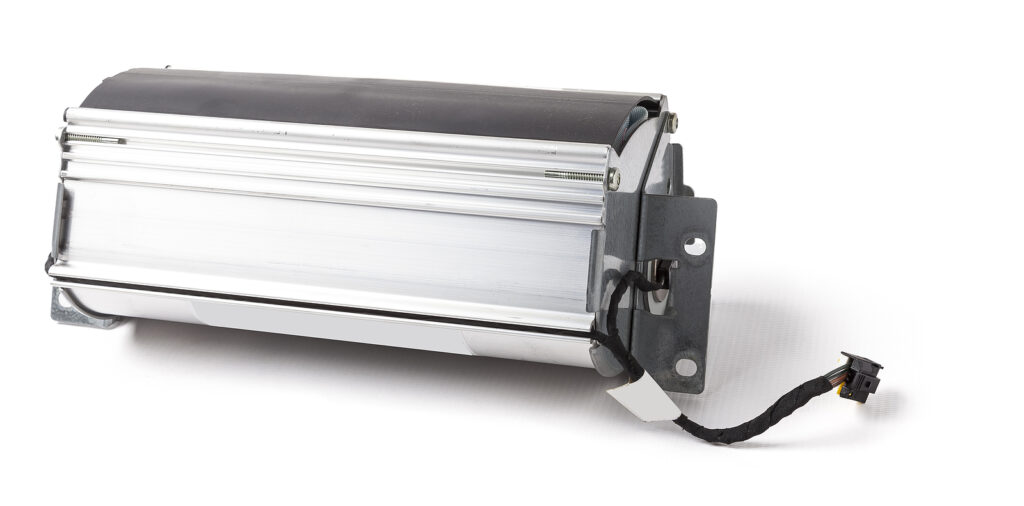
The law deems airbags, or Supplemental Restraint Devices (SRS Devices), as an automotive part that contains a reactive hazardous waste. Under the Resource Conservation and Recovery Act (RCRA) and subsequent regulations, the law does not allow you to simply throw an airbag out in your regular trash pickup container, whether it is new or deployed. If you do, you can be cited for illegal disposal of a reactive hazardous waste. What makes airbags hazardous? Well, they contain a long list of constituents that are combustible and potentially explosive, including propellants, ignitable chemicals, and more.

All airbags must be disposed at a certified airbag handler, approved hazardous waste disposal center, or designated airbag collection facility.

Car Batteries

Car batteries are another hazardous auto part that should be disposed of responsibly and in accordance with all local, state, and EPA regulations. Car batteries contain chemicals and metals that can be toxic to the surrounding environment. After three or four years, your car battery will need to be replaced. Be sure you have the proper instructions on how to get rid of an old or broken car battery in your community.

Car batteries can actually be recycled, so choose a local scrap metal recycling center or auto salvage lot to take yours.

Gasoline

Although not actually an auto part, gasoline is an imperative part of driving your gas-powered car, and it is common to find yourself with an old stash you no longer need. You might have some old gasoline laying around for a lawn mower or scooter you no longer have. Or perhaps you are siphoning old, dirty fuel out of a fuel-powered equipment. Regardless of why you have old cans of gasoline or diesel fuel on your hands, it is your responsibility to dispose of it safely, and you guessed it, while adhering to all local and state laws.

Locate a designated gasoline disposal facility or hazardous waste disposal center in your city. They will instruct you to transfer your gasoline or diesel into a government-approved container, like those traditional red plastic cans you see around.  

Do you have an old or junked car taking up space in your garage? Contact GC’s Junk Cars at 502-804-5605 to sell your junk car in Louisville, Kentucky for cash on the spot! We provide free junk car removal too!

Related Posts:

Is My Car Totaled if the Airbag Deploys?
3 Reasons Why a Car is Never Wasted
Do You Need Junk Car Disposal in Kentucky?

Louisville Junk Car Buyers 502-804-5605

Which Side is My Gas Cap On?

The question of gas cap locations has been floating around for generations. Not sure which side of the car your gas cap is on right now? Is it on your side? Is it on the passenger side? Continue below to learn how to instantly identify which side your gas cap is on without even getting out of your car, plus some industry facts on why gas cap sides are different among vehicles.

Junk Car Disposal Louisville KY 502-804-5605
This Fuel Icon Indicates a Left-Side Gas Cap

The Frustrating Gas Cap Scenario

We’ve all been there before; whether you’ve just purchased a new vehicle, borrowing someone’s car, or driving a rental, at some point in your driving career you have surely pulled up to the gas station only to instantly remember you have no idea which side the gas. Fortunately, there is an instant hack on how to figure out which side the gas cap is located on a vehicle without even getting out of the car.

Gas Cap Locations are Labeled on the Dashboard

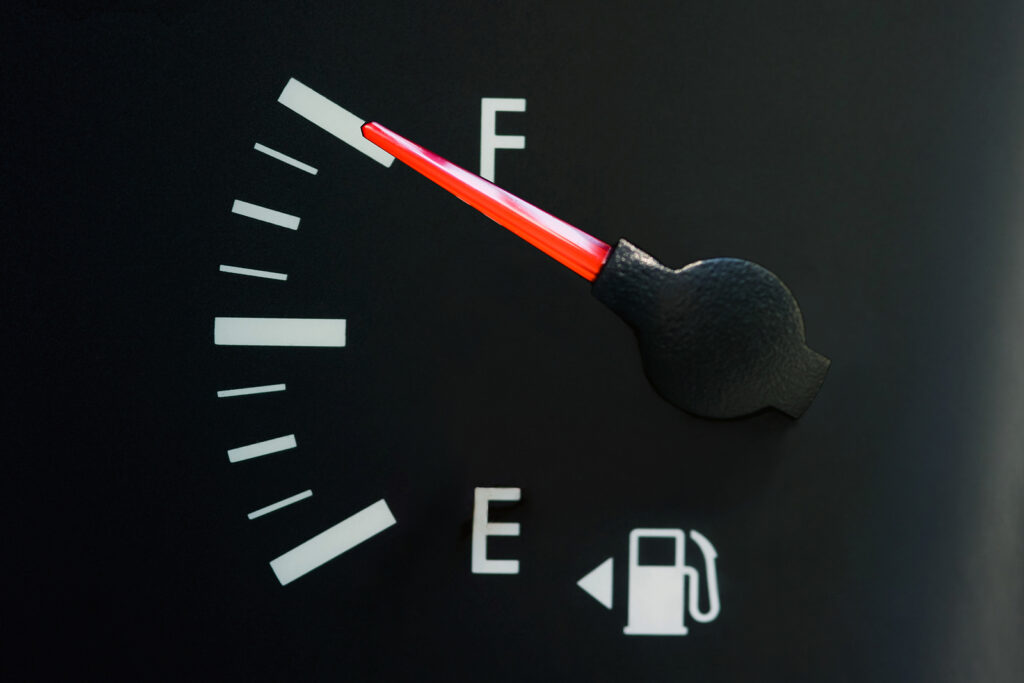
Okay, so you pull up to the gas station and you can’t remember which side the gas. There is an easy trick to figure this out without leaving your car seat. Simply take a look at the dashboard. Although the location can differ, the gas cap location is typically indicated in the fuel gauge.

You should see an arrow or dot next to the fuel tank icon on your dashboard. This is the side your gas cap is on.

Why Gas Cap Sides Can Be Different

You may notice that throughout your life, you’ve had cars with gas caps on the left side and on the right side. Why is this? Well, the location of the gas cap really depends on where the car comes from, namely which manufacturer produces the vehicle.

For instance, Japanese cars like Toyota and Mitsubishi typically place their gas caps on the left side of the vehicle. Japan a left-hand traffic country, so having the gas cap on the left side of the vehicle comes naturally to their culture. In countries with right side driving traffic, having the gas cap on the left side can be beneficial as well. Many car owners prefer the gas cap on the driver’s side.

Additionally, automakers will place gas caps on either side of the vehicle depending on how the vehicle is designed internally. Sometimes certain parts are larger or smaller, and the fuel tank fits better on the left side rather than the right side, or vice versa. In another example, domestic automakers like Chevy and Ford like to place their gas caps on the right side of the car.

Lastly, there are local, state, and federal legal requirements denoting the specifications of fuel tank location in a vehicle. Automakers must follow these regulations to ensure that the location of the fuel tank cannot cause foreseeable ignitions. This is why gas caps are never located in the back of the vehicle. In the case of the collision, it could cause the entire car to ignite into flames.

Do you have an old car truck that no longer serves a purpose in your life other than taking up valuable space in your garage? Contact GC’s Junk Cars at 502-804-5605 to sell your junk car in Louisville, Kentucky for cash on the spot! We provide free junk car removal!

Related Posts:

Funny Signs That Tell You It’s Time to Sell Your Junk Car
The Most Expensive Auto Repairs That Can Total Your Car
Car Wreck Insurance Myths to Beware Of

Louisville Junk Car Buyers 502-804-5605