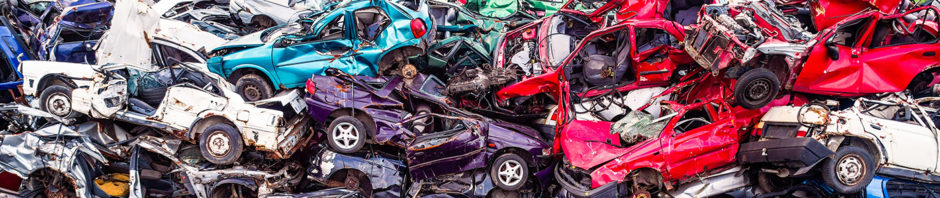
A Guide to Understanding the Insurance Claims Process for Totaled Cars

If you’ve been in a car accident recently, and your vehicle has been declared a total loss or “totaled”, it can be an overwhelming experience. You may have questions like: What is the insurance claims process? How do I get compensated for my totaled car? Do I need to file a claim with my insurer? Fortunately, understanding the insurance claims process for totaled cars doesn’t have to be complicated.

In this guide we will answer all of these questions and more so that you can navigate the process with ease. We will explain what it means to have a totaled car, how to determine if your vehicle is considered a total loss, how auto salvage works and what steps are involved in filing an insurance claim after totaling your vehicle.

By the end of this guide, you should feel confident about navigating through the insurance claims process for totaled cars. Let’s begin!

Call 502-804-5605 to Scrap a Totaled Car in or around Louisville, Kentucky.

How Insurance Carriers Define a Totaled Car

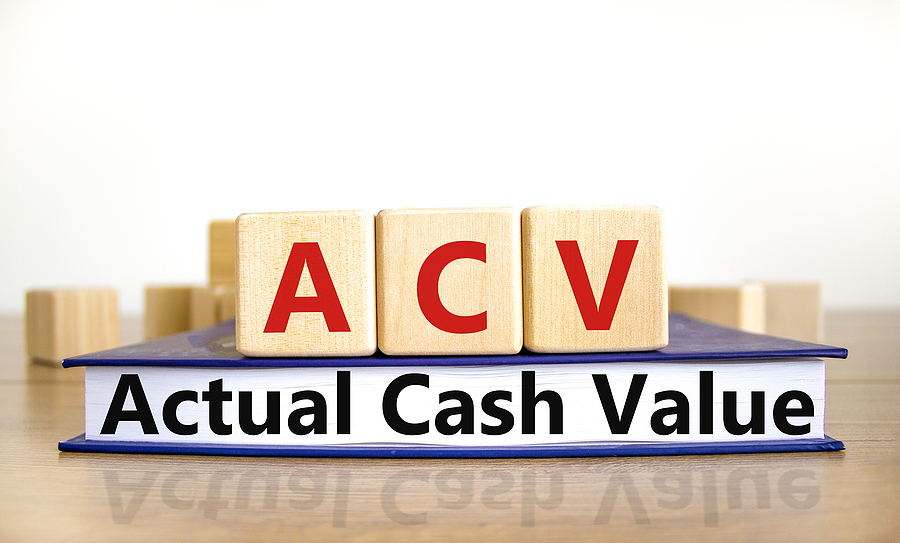
First and foremost, it’s important to understand what a totaled car is. A totaled car is also known as a total loss vehicle, which is a vehicle that has been involved in an accident and the cost of repairs exceed the actual cash value (ACV) of the car. The actual cash value is determined by looking at factors such as year, make, model, mileage, and condition of the vehicle prior to the accident. In most cases when a totaled car has been declared, your insurance company will deem it as a total loss and compensate you for its ACV minus any applicable deductions like policy deductibles.

Auto Repair Estimates

The first step in understanding the insurance claims process for totaled cars is determining if your vehicle qualifies as a total loss. This typically involves getting estimates from repair shops or auto body specialists. If the repair costs exceed the actual cash value, then the car is usually considered a total loss. Once this is established, you can move forward with filing an insurance claim and being compensated for your totaled vehicle.

Filing a Claim With Your Auto Insurer

Now we need to discuss how to file an insurance claim for your totaled car. To do this, contact your insurer and provide them with all the necessary paperwork including the ACV estimates, repair quotes and any photos of the accident. They will then work with you to process a claim so that you can get compensated for your totaled vehicle. Once everything is finalized and you have received payment from your insurer, you can move forward with purchasing a new or used vehicle as needed.

Scrapping a Totaled Car at an Auto Salvage Yard

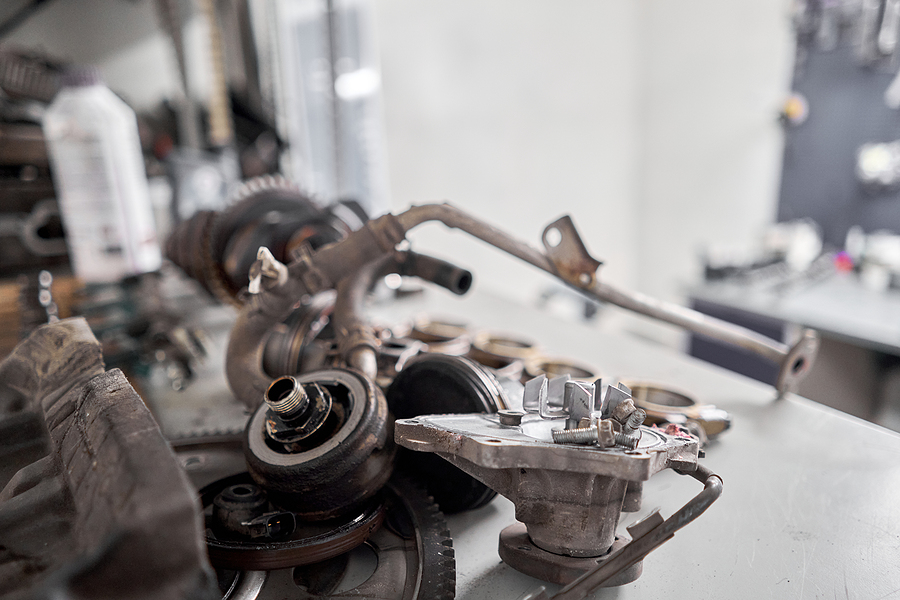
Now that we have determined that your car is indeed a total loss, let’s talk about auto salvage. Auto salvage involves selling off any parts of a totaled vehicle that are still usable or recyclable and reusing them to repair other vehicles. This helps save time and money when repairing cars from accidents instead of having to buy new parts every time. Sometimes, Cash for Cars companies and junk car buyers in Louisville are willing to purchase entire vehicles or even parts for cash on the spot. Some auto salvage lots will even tow your junk car for free.

Be Sure to Contact Your Insurance Carrier to Confirm Policy Details

We hope this guide has been helpful in understanding the insurance claims process for totaled cars. Do note that every situation is different and there may be additional steps involved depending on where you live. If you have any questions about filing an insurance claim for a totaled car, don’t hesitate to reach out to your insurer for more information.

Are you interested in selling your totaled vehicle for a high amount of cash in the Louisville area? Contact GC’s Junk Cars at 502-804-5605 to speak with a trusted Indianapolis junk car buyer for details on how to get started! We offer free junk car removal and accept all old or broken auto parts!

Related Posts:

Do I Have to Repair My Wrecked Car?
Navigating the Aftermath of Totaling a Car: What You Need to Know
These 7 Things Will Slowly Total Your Car Overtime

How Salvage Yards Calculate the Actual Cash Value of a Junk Car

Are you looking to sell your junk car? If so, it’s important to understand how salvage yards calculate the actual cash value (ACV) of a junk car. Junk cars can be worth anywhere from a few hundred dollars up to thousands of dollars depending on their condition and market value. Knowing how much your junk car is actually worth will help you get the best deal when selling it to a junkyard or private buyer. 

In this blog post, we’ll discuss what factors determine the actual cash value of a scrap vehicle, plus provide tips for getting the most out of your junk car sale.

Call 502-804-5605 to Get an Offer From the Best Cash for Cars Company in Louisville!

Calculating Actual Cash Value (ACV)

One of the main factors that junk car buyers consider when determining the actual cash value is the year, make, and model of your vehicle. Depending on the age, condition, and popularity of your car, it could be worth more or less than other vehicles. Additionally, its current market value will also affect how much you can get for it. A vehicle that is in high demand will likely fetch a higher price than one that is less popular.

Another factor that many Louisville junk car buyers look at is the condition of your vehicle. If it’s still running and in good shape, you may be able to get more for it than if it’s not running or has major structural damage. The presence of any aftermarket features, such as a new transmission or upgraded stereo system, will also increase the actual cash value.

Finally, junk car buyers may also take into account any missing parts when calculating the actual cash value. Depending on the part, it could cost more to replace it than what’s offered by the buyer, so be sure to check what parts are missing before selling your junk car.

Consider the Various Factors That Impact ACV

The actual cash value of a junk car can vary significantly depending on several factors, such as its year, make and model, condition, current market value, and any aftermarket features or missing parts. Knowing how much your vehicle is worth will help you get the best possible deal when selling it to a junk car buyer in Louisville. With these tips in mind, you’ll be able to maximize the value of your sale and get the most out of your junk car.

Are you on the hunt for an outstanding Kentucky auto salvage yard to compensate you generously for your unwanted car? Contact GC’s Junk Cars at 502-804-5605 to sell your junk car for cash on the spot to a trusted Louisville junk car buyer! We offer free junk car removal in all surrounding counties.

Related Posts:

Does Junk Car Weight Determine Scrap Value?
Scrap Prices for Junk Cars in Louisville
Tips on How to Make the Highest Profit for a Junk Car

Easy Guide to Jump Starting a Dead Car Battery

A car battery can die for a number of reasons. The most common cause is simple – age. Batteries have a natural lifespan, and after a few years they just stop being able to hold a charge. Other causes of battery death include extreme temperatures, loose or corroded connections, and electrical issues within the car itself.

Continue below to learn more about car battery care, including how to jump start a dead car battery using a set of jumper cables and a good Samaritan.

Sell Junk Car Parts Louisville Kentucky 502-804-5605

Car Battery Maintenance

Despite what some people may think, it’s actually quite easy to prevent a battery from dying prematurely. The most important thing to do is to keep it clean. Dirty batteries are more likely to corrode, and corrosion can lead to all sorts of problems. If you live in an area with cold winters, make sure to keep your battery warm – either by storing it in a garage or by using a battery blanket. And finally, if you suspect that your car has any electrical issues, get them fixed as soon as possible. Ignoring these issues will only make them worse, and they could eventually lead to your battery dying.

It’s important to maintain your car battery to extend its lifespan and keep it working properly. Here are a few tips on how to do so:

▶ Keep it clean – free of dirt, corrosion, and other debris.

▶ Check the water level regularly and top it off with distilled water if necessary.

▶ Inspect the terminals and connections to make sure they’re tight and free of corrosion.

▶ Have the battery tested regularly to check its performance and identify any potential issues.

▶ If your battery is more than 3 years old, consider replacing it.

Following these tips will help you keep your car battery in good condition and prevent any problems down the road.

How to Jump Start a Dead Battery

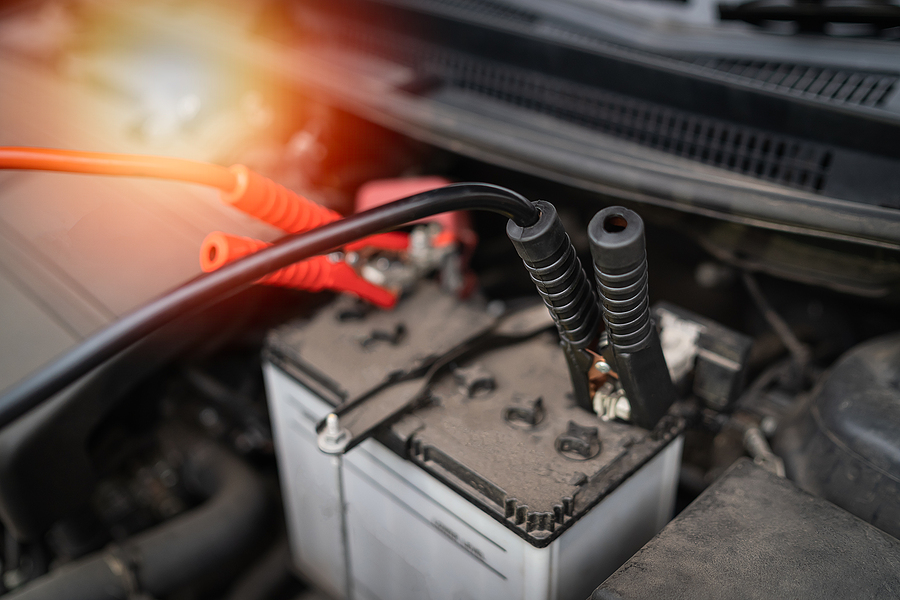
A car battery can die suddenly and without warning. If you’re lucky, it will happen when you’re at home or work and you can call a friend or tow truck to help. But if it happens when you’re out and about, you’ll need to know how to jump start your car battery. It’s actually not that difficult, but it’s important to follow the instructions carefully to avoid damaging your car.

Here’s What You’ll Need:

■ Jumper cables
■ Another car with a working battery
■ A set of instructions

Here’s How To Do It:

1. Park the working car next to the car with the dead battery, making sure that the two batteries are not touching.

2. Turn off all lights and accessories in both cars.

3. Connect one end of the positive (red) jumper cable to the positive terminal of the dead battery.

4. Connect the other end of the positive jumper cable to the positive terminal of the working battery.

5. Connect one end of the negative (black) jumper cable to the negative terminal of the working battery.

6. Connect the other end of the negative jumper cable to a metal part of the car with the dead battery. This helps to ground the circuit and prevents sparks.

7. Start the working car and let it run for a few minutes.

8. Try to start the car with the dead battery. If it doesn’t start, check the cables to make sure they’re all connected properly and try again.

9. Once the car with the dead battery is running, disconnect the jumper cables in the reverse order that you connected them.

Congratulations! Your battery should be charged up again!

Did your car battery die for good this time? If so, sell it for cash on the spot, then place that profit towards a new car battery! Contact GC’s Junk Cars at 502-804-5605 to sell a junk car parts in Louisville, Kentucky for an instant cash payout. We provide FREE junk car removal!

Related Posts:

Did My Car Battery Die Prematurely?
Why Did My Car Battery Corrode?
How to Safely Toss Out an Old Car Battery
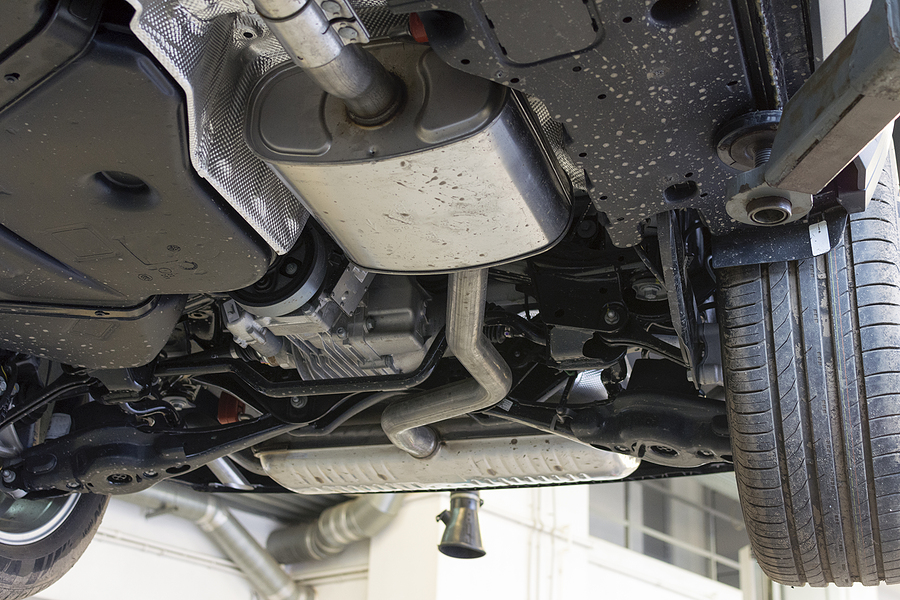
Should I Have My Car Suspension Checked Out?

Does your car seem more like a carnival ride when you drive? Is it bouncing and bumping to every little atypical terrain below your feet? Or perhaps it has gotten a bit squeaky? If you have your car’s suspension system at the front of your mind, there is likely a reason, and that reason is that it needs some attention.

Continue below to learn some common signs of car suspension trouble, plus when you should make the decision to have yours inspected or serviced.

Louisville Kentucky Car Scrappers 502-804-5605

Signs of Car Suspension Failure

The top three signs that suggest your automotive suspension system is experiencing some decline or defects include sagging on one end of the vehicle, pulling to the side, and springy riding. These signs might appear singularly, in combinations, or all at once.

Sagging on One End

One of the most common signs of a suspension problem in any vehicle, whether car truck, is visible. Sagging on one in two. If the front and or the rear and of your car is lower than the other by a significant measure, it could mean that your suspension system has a damaged spring or a blown shock. Both of these damages would require professional automotive repair and parts replacement.

Pulling During Turns

If your vehicle is drifting or pulling to one side as you drive or turn, your suspension system might be experiencing internal mechanical issues. Some of the most common suspension problems that cause cars to pull to one side or drift include damaged tie rods, sticky brake calipers, and damaged steering racks.

Bouncy Riding

When you drive your vehicle, does it seem overly bouncy and springy? Excessive bounciness while driving is a common indication of a car suspension problem. The issue is always due to worn out struts and shocks. If the bouncing is happening at the front end of into your vehicle, it is the struts. If it is happening at the rear end of the vehicle, it is the shocks.

Consequences of Driving With a Damaged Suspension System

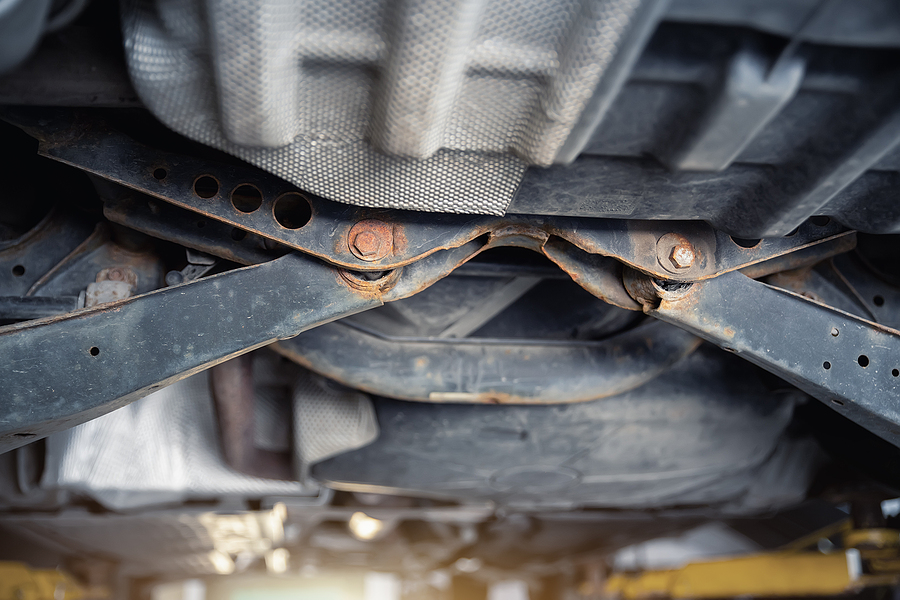
If you continue to drive your car with a damaged suspension system, you risk causing severe and irreversible damages that might total your vehicle. The good news in this case would be that you can scrap your car at a local Louisville auto salvage yard for cash on the spot. Just be sure to choose certified and experienced junk car buyers in Kentucky to ensure you get the full scrap value for your junk car.

Would you like to skip the hassle of searching for reputable auto scrappers in Kentucky and go straight to the leading salvage yard in Louisville? Contact GC’s Junk Cars at 502-804-5605 to sell your car for cash on the spot to a trusted Louisville junk car buyer! We offer free junk car removal in all surrounding counties.

Related Posts:

How to Tell if Your Car is Leaking Transmission Fluid
How to Prevent Major Engine Repair or Replacement
Top 4 Signs of a Broken Car Radiator

Check These 6 Automotive Fluid Levels in Your Car Right Now

Part of being a safe driver is taking good care of your car. A car that is well-maintained and properly serviced will perform better, and therefore, keep you and your passengers safer. An important element of best practice car care is automotive fluid management. Your vehicle, no matter which make or model, requires at least 6 essential fluids for optimal performance and safety. These fluids are so important that you should get up right now and check your vehicle’s levels!

Continue below to learn which automotive fluids are the most essential and should be checked on a routine basis.

Junk Car Buying Company Louisville Kentucky 502-804-5605

6 Essential Automotive Fluids to Check Regularly

The 6 most important automotive fluids that you should check on a weekly and monthly basis include motor oil, radiator fluid (coolant/anti-freeze), transmission fluid, brake fluid, power steering fluid, and windshield wiper fluid. In some cases, for vehicles that apply, you will need to address differential fluid levels and battery fluid levels too.

Motor Oil

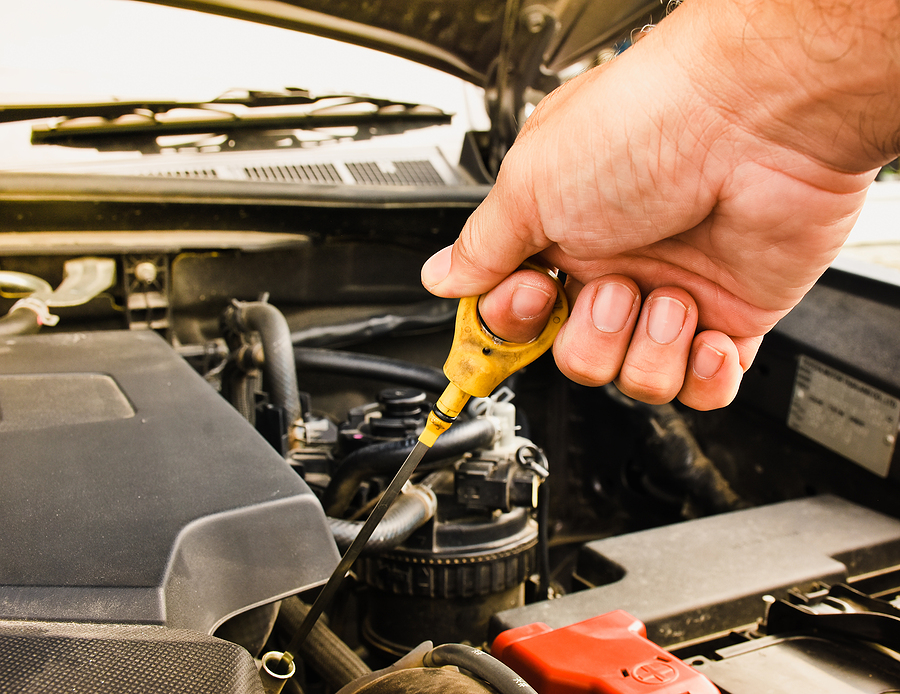
Also known as engine oil, this automotive fluid might arguably be the most important. Without it, your car simply will not run. Checking your motor oil levels easy and refilling the oil in your car is even easier. You will need to refer to your owners’ manual for instructions on locating the oil dipstick under the hood of your car. It should be clearly labeled and easy to find. This is the rod that will show you where your motor oil levels are at.

The lower down the rod the motor oil residue is, the less you have. Simply pull it out, wipe it with a cloth, then insert it back in. Then pull it out for inspection. You want the dipstick to be at least halfway covered in oil when you pull it back out. You should have your oil changed every 3,000 to 5,000 miles, or whenever your manual recommends.

Coolant

Your vehicle’s engine gets hot; so hot, that it can damage the internal components and mechanism within the motor and other areas of the vehicle. To regulate engine temperatures, your car relies on radiator fluid, also known as coolant or antifreeze. If your car engine overheats, it is likely due to a low level of coolant. Fortunately, checking and refilling your radiator fluid is just as easy as checking your oil. Simply refer to your owners’ manual for instructions on locating and refiling your coolant reservoir.

Transmission Fluid

Automatic cars use transmission fluid, which basically works as an internal lubricant to keep the gears shifting smoothly. Without proper transmission fluid levels, your car will begin to experience stress within the transmission system. You might notice slowed or struggling acceleration, shaking, or loud idling.

Checking your transmission fluid levels is the same as checking your oil, expect you do it while the car is running. There should be another dipstick somewhere under the hood of your car. Refer to your owners’ manual for specific instructions unique to your make and model. It is recommended to change your transmission fluid every 30,000 to 60,000 miles, or every 3 years, whichever comes first.

Brake Fluid

Brake fluid is probably the second most important automotive fluid because it supports the ability to stop your car from driving. Having low brake fluid levels will result in delayed braking, brake squealing, and all sorts of other poor brake performance issues. To check brake fluid levels, be sure your engine is off and completely cool. Refer to your owners’ manual for instructions on locating the brake fluid reservoir. After today, check your brake fluid once per year.

Power Steering Fluid

Most cars require power steering fluid. If you notice that your steering wheel is getting harder to control, you could be low on fluid. Refer to your owners’ manual for instructions on locating the power steering reservoir, which is usually on the passenger side of the engine. Be sure the engine is off and cold before checking your fluid levels. Your owners’ manual may recommend differently, but the general rule of thumb for changing out power steering fluid is once every 2 to 3 years.

Windshield Wiper Fluid

Most often forgotten or overlooked, windshield wiper fluid is an essential part of driver and passenger safety. This is a fluid anyone can re-fill themselves, as needed. Simply by this well-known blue solution at a gas station or auto parts store. Refill as needed.

Has your car crossed into junk car territory and no longer stands as an investment-worthy asset? Contact GC’s Junk Cars at 502-804-5605 to sell a junk car in Louisville, Kentucky for an instant cash payout. We provide free junk car removal!

Related Posts:

How to Tell if Your Car is Leaking Transmission Fluid
3 Reasons Why a Car is Never Wasted
How Much Money is My Junk Car Worth?

Are There Precious Metals in Junk Cars?

You can expect to find steel, iron, and even copper in the entirety of a vehicle. But would you expect to find precious metals like gold or silver? Well, you should! All motorized commodities contain some degree of precious metal their design. Continue below to learn which precious metals are more likely to be included in the manufacturing of a vehicle, plus how you can make the most money by selling your junk car in Louisville, Kentucky.

Junk Car Company Louisville Kentucky 502-804-5605

Junk Car Precious Metals

The most common precious metals in cars are platinum, palladium, gold, and sometimes silver. The quantity and type of precious metal in your junk car will depend on several factors, namely the make and model, but also the current condition.

Silver

Silver can be found in car batteries and circuit boards. Silver-oxide batteries are used in military fleet vehicles, so it is unlikely that your junk car has precious metal in its battery. As for electronic circuit boards, newer model vehicles contain traces of silver, which can be recycled and repurposed into new commodities.

Gold

As just mentioned, automotive computers operate on electronic circuit boards that contain silver, but these circuit boards also contain gold-plated fingers. Newer model vehicles that have onboard computerized systems like GPS, navigation, stereo, Bluetooth, and even engine modules will contain these gold-plated components. Gold can also be found in car airbags, although only in trace amounts.

Platinum

Platinum isn’t just for jewelry. It is very likely that your personal vehicle contains platinum. All cars and trucks manufactured within the last three decades have a catalytic converter, which is an automotive part that filters toxic emissions generated by burning fuel. Within a catalytic converter is the catalyst, which is typically lined with platinum.

Palladium

Palladium is a metal you might’ve seen in a recent superhero movie or read in your favorite comic books. That is because palladium is a rare-occurring, exotic metal that is high in economic value, making it perfect for fantasy story lines. But the truth is, palladium is also used in the manufacturing of common automotive parts like catalytic converters. Palladium alloy made with platinum and rhodium is often used as a catalyst lining, serving as cost-effective alternative to former manufacturing methods for catalytic converters.

Are you interested in selling your junk vehicle for a high amount of cash in the Louisville area? Contact GC’s Junk Cars at 502-804-5605 to speak with a trusted Indianapolis junk car buyer for details on how to get started! We offer free junk car removal and accept all old or broken auto parts!

Related Posts:

Top 2 Precious Metals in Junk Cars
Facts About the Precious Metals in Junk Cars
How to Sell the Scrap Metal Out of a Junk Car in Kentucky

Can an Electric Car Be Recycled for its Copper?

Auto recycling is one of the most important planet-preserving enterprises of today, and that applies worldwide. So much so, in fact, that modern automakers are designing their models with a more Eco-conscious agenda. Electric vehicles are the perfect example!

Can electric cars be recycled for their copper and other valuable metals once they are junked or totaled? Well, the answer is a resounding YES! Continue below to learn which valuable metals are found inside electric cars, making them the perfect non-motorized asset to recycle!

Electric Car Buyers Louisville Kentucky 502-804-5605

Is There a Lot of Copper in Electric Vehicles?

There are three common types of electric vehicles humming about on the roads today: battery electric vehicles (BEV), plug-in electric hybrid vehicles (PHEV), and standard hybrid electric vehicles (HEV). Regardless of type, all electric vehicles are made with all sorts of metal and metal components, including aluminum, bauxite, lithium, cobalt, and even traces of precious metals like gold and silver. But being as though they are powered by electricity, they tend to have a good quantity of metal with good conductivity and ductileness, like copper.

How much copper? Well, a lot.

Battery electric vehicles (BEV) are powered by a battery-powered electric motor. They contain an average of 183 pounds of copper. Plug-in hybrid electric vehicles (PHEV) primarily use an electric motor but have fuel engines and gasoline reserves for backup after the battery runs out of charge. They must be plugged in to recharge, and contain an average of 132 pounds of copper. Standard hybrid electric vehicles (HEV) combine the power of fuel with an electric motor, and they contain the lowest average copper composition, coming in at 85 pounds.

How do these copper values compare to the average American-made vehicle? Well, the average American car contains around 55 pounds of copper wiring and copper components and electric cars have at least three times as much! Although most of the copper content found in electric cars comes from the rotors, systems like circuit boards, batteries, and electric motors can also contain copper.

How to Recycle an Electric Car

Although electric cars are just getting started in the auto manufacturing industry, accidents and breakdowns happen. If you have an electric vehicle that wrecked or totaled, consider selling it to a local Louisville auto salvage yard. Reputable junkyards will even pay you the scrap value in cash! By recycling a junked or totaled electric car, you can support its greener initiative and help the environment in whole!

Do you need to scrap an electric vehicle? What about a standard, gas or diesel powered vehicle? Contact GC’s Junk Cars at 502-804-5605 to sell your wrecked electric car in Louisville, Kentucky for cash on the spot! We also provide free junk car removal!

Related Posts:

Car Wreck Insurance Myths to Beware Of
Tips on How to Store a Car Long Term
The Environmental Benefits of Junking Your Car

Why Did My Car Battery Corrode?

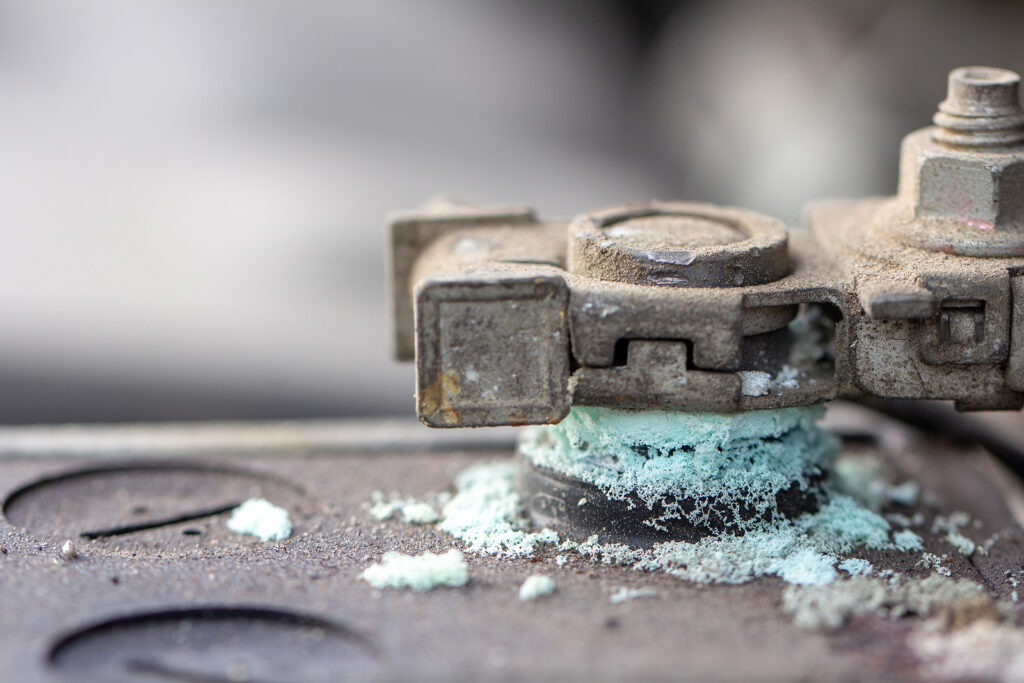
As someone who’s been driving for many years, you’ve come to learn quite well the importance of your car battery. Car batteries work ongoing maintenance and routine replacement. Without proper care, car batteries will decline in both efficiency and performance. If you’ve been having problems starting or maintaining charge in your car battery, you might want to pop open the hood and take a look at its current condition. If you notice a white, scum like film accumulating around and within the battery terminals, it is an indication of battery corrosion.

Continue reading to learn more about battery corrosion, including what causes it to happen and what you can do about it.

Auto Parts Recycling Louisville Kentucky 502-804-5605

Identifying Car Battery Corrosion

Car battery corrosion is common, especially in old car batteries. It is easy to diagnose a corroded car battery because the bright crust that forms on and around the battery terminals is hard to miss. It looks similar to dried-up toothpaste, ranging in colors from white to greenish or light blue hues. It starts white, but once, but upon exposure to moisture, it will turn to a greenish or blue color. Furthermore, corrosion crust accumulates in large masses, so once it is discovered, there is usually a large deposit to deal with.

What Causes a Car Battery to Corrode?

When a car battery is corroded, the crust impedes the electrical connection because it is a bad conductor of electricity. It causes a transient current flow, which means the electricity circles right back to the battery just keep the battery charged. Your car might turn on, but the engine will not be able to start.

The most common causes for car battery corrosion development include overcharging, gas escape, and old age. If your car battery is overcharged, the fluid within the battery terminals will expand. This will cause an overflow of liquid inside of the car battery, which can basically flood the terminals with acid. Acid causes corrosion, which in turn generates corrosion development.

Gas escape is another common reason why car batteries develop corrosion. This usually depends on the type of car battery and how it’s placed within the vehicle. Car batteries have tiny vents that allow hydrogen gas to flow through them. Sometimes these hydrogen gases can come in contact with the battery terminals or car cables, thus triggering corrosion. As already mentioned, old car batteries are more prone to car battery corrosion.

What To Do About Battery Corrosion

If your car battery is corroded, you must take a closer look to determine your compatible options. You see, just because a car battery is corroded does not mean that it is junked. It is possible to clean the corrosion off of a car battery, so long as you have the right materials and use the right methods. If your battery is new, you should try cleaning the corrosion before replacing the battery altogether. If your battery is old, or approaching the 4 to 5 year mark, battery replacement is the best option for you. Sell your used car battery to a Louisville scrapyard for cash on the spot!

To clean the corrosion off of a car battery, you will need baking soda, petroleum jelly, anti-corrosion pads, a stiff bristle brush or wire brush, safety goggles, work gloves, clean water, and rags. Always disconnect your battery cables starting with the negative (-) cable first before you begin cleaning your car battery. Combine the baking soda, usually around a teaspoon, with the petroleum jelly to create a paste. Apply the paste all over the corrosion and scrub away with your anti-corrosion pads or stiff bristle brush. Thoroughly rinse the car battery when you are finished, then allow it to dry completely.

Do you have some junk auto parts that you’d like to sell for cash on the spot? Contact GC’s Junk Cars at 502-804-5605 to sell used car parts in Louisville, Kentucky. We pay cash for all scrap metal and automotive parts.

Related Posts:

How to Prevent Major Engine Repair or Replacement
The Most Expensive Auto Repairs That Can Total Your Car
Is My Car Totaled if the Airbag Deploys?

5 Reasons Why Your Car is Shaking and Vibrating

A car that is shaking, vibrating, or jerking is not performing the way it was manufactured to. If this describes your current driving experience, you can safely assume there is a malfunction or two happening within your vehicle. Continue reading to learn the top five reasons why your car might be shaking and vibrating, plus what to do if the underlying cause renders your vehicle a total loss.

Junk Car Buyer Louisville KY 502-804-5605

Diagnosing Car Shaking and Vibrating

Identifying unusual movement in your car is an important part of car care. It is right to acknowledge car shaking, pulsing, and/or vibrating as unusual vehicular performance. An effective way to determine what is causing the underlying problem behind vehicle shaking and vibrating is to identify when the unusual movements take place. For this reason, it is important to begin your initial examination by asking yourself a few questions.

Does your vehicle shake and vibrate when you are idling? Driving? Speeding? Pressing the brakes?

Do you feel the movement coming from your steering wheel? The seat? The brakes? All around?

Is the movement accompanied with other warning signs, like strange noises or smells?

Has your vehicle sustained any recent impacts, like hitting a pothole or driving over a curb?

The answers to these questions can help you faster identify the problem behind your vehicle shaking and vibrating.

Common Causes of Vehicle Shaking

When it comes to diagnosing car shaking, a mechanic will initially take a look at these five automotive systems and parts:

Tires

If your car tires have uneven wear and tear, poor tread, or the tread has separated, it can cause the vehicle to shake or stagger while driving. To fix this issue, you will need to take your car into a local shop for tire balance and rotation service. If your tires are too worn, you may need to replace some altogether.

Wheels

Do you feel the shaking when you are driving? More so at higher speeds? Do you feel it below your feet, coming from underneath the car? Like tires, poor wheel condition can also cause cars to shake, jerk, or pulsate. In most cases, a quick trip to the tire shop for a wheel rotation and tire balance will fix this problem. However, the car shaking could be caused by loose lug nuts or broken bearings.

Steering and Suspension

Your vehicle’s steering and suspension system can fall subject to certain malfunctions that can cause vehicular jerking and shaking. This underlying culprit usually presents itself when accelerating. If you feel the shaking in your car increase as you speed up or take off from a stopped position, it could be due to problems within the steering and suspension system. Such problems include a broken drive shaft, worn CV joint, or even a bent axle.

Brakes

Faulty or defective brakes are a common cause for car shaking. If you are feeling this happening when you are pressing on the brake pedal or coming to a stop, your car could be experiencing physical defects with the brake pads, brake rotors, or disc brakes. If you feel the vibrations and jerking mostly in the steering wheel, or smell a burning odor when it happens, it is likely due to a stuck brake caliper.

Engine

If this is happening to your car when you drive or stopped in idle, the engine could be the area of concern. In most cases, it signifies that the car engine is not getting enough spark, air, or fuel. In most cases, bad spark plugs or wires are to blame. Dirty or clogged air filters and loose motor mounts have also been known to cause this problem.

Is your car totaled because the cost to repair it is more than what it is worth? If so, contact GC’s Junk Cars at 502-804-5605 to sell your totaled car in Louisville Kentucky for cash on the spot. We provide free junk removal too!

Related Posts:

The Most Expensive Auto Repairs That Can Total Your Car
How to Prevent Major Engine Repair or Replacement
A DIY Guide for Car Radiator Flushing

Did My Car Battery Die Prematurely?

Did you recently replace your car battery with a new one, and now your new one is dead? If so, you are probably puzzled as much as you are frustrated. After all, car batteries cost money, your hard-earned money; plus, they are required if you want your car to get you to where you need to be, like work or school. So, why did your car battery die so soon?

Continue below to learn how long car batteries are designed to last, plus which factors can drain a car battery faster.

Auto Salvage Louisville Kentucky 502-804-5605

Average Car Battery Lifespan

There are several different types of car and truck batteries on the market. However, the average automotive battery is designed to last between three and five years. If your new car battery recently died after replacing it, this bit of information might frustrate you even more. But there could be good reason why your car battery died prematurely.

Things That Drain a Car Battery Faster:

Driving Patterns

Your driving patterns and habits can have a significant impact on the lifespan of your car battery. For instance, if you frequently take short trips, you could be further draining your car battery. Each time you start your car, you expend more battery power, and short trips on a more frequent basis does not allow your car battery to fully recharge between trips.

If you would leave your car parked for extended periods of time, it can also drain a car battery pretty fast. Car batteries naturally self-discharge after a long period of in-operation, which is why it is recommended to remove car battery before storing a vehicle for an extended period of time.

Weather and Climate

Nature can also play a role in a quickly draining car battery. Extreme temperatures is one of the most common reasons why car batteries drain prematurely. One way to avoid this is covering your car engine with a thermal blanket during the colder seasons. This will keep your car battery and internal components warm, allowing it to work more efficiently.

In extremely hot conditions, car batteries can drain quickly due to heat-induced deterioration. For this reason, it is important to park in the shade or within a structure during the warmer seasons of the year.

Car Maintenance

There is a very good reason why automakers put together a factory scheduled maintenance plan for your make and model vehicle. Proper car maintenance is vital to the safety, longevity, and performance of your vehicle. If you do not take good care of your car battery, it will die prematurely. It is important to have your car battery cleaned on a routine basis to prevent battery corrosion.

If you notice a white or greenish buildup around your battery cells, use an old toothbrush and a baking soda water mixture to gently clean them off. In addition to cleaning your car battery, you want to regularly check that it’s properly mounted and that all cables are fastened. If the car battery gets knocked out of place, even slightly, it can immediately begin overworking, and thus, drain of power faster.

Are you stuck with a bunch of old or broken auto parts that you want to get rid of in Central Indiana? Contact GC’s Junk Cars at 502-804-5605 to sell junk car parts in Louisville, Kentucky for an instant cash payout. Sell us a whole junk car if you have one! Free junk car removal!

Related Posts:

How to Safely Toss Out an Old Car Battery
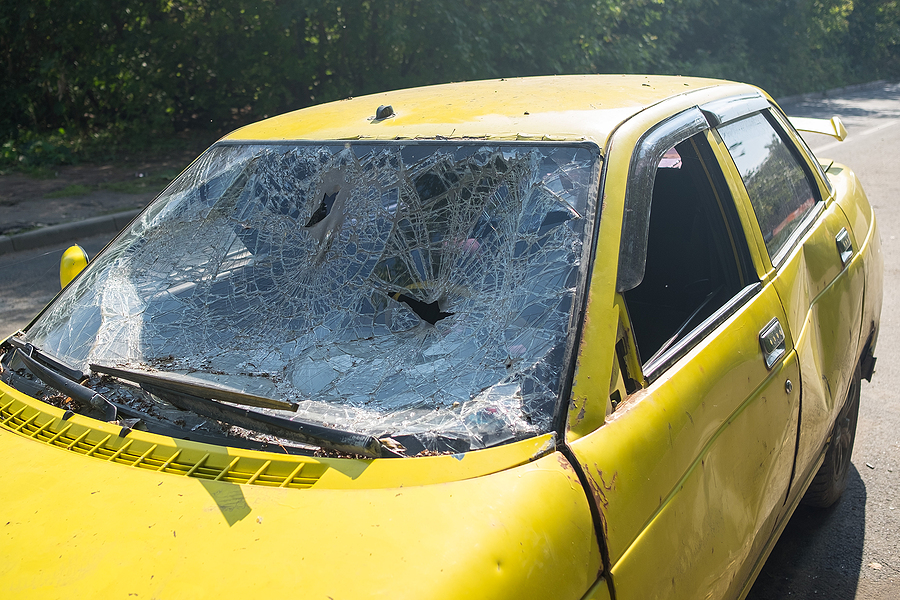
The Most Expensive Auto Repairs That Can Total Your Car
Current Scrap Prices for Catalytic Converters